

San Francisco's Exploratorium Turns STEM Learning into Hands-On Play
A look inside San Francisco's Exploratorium, a hands-on museum transforming complex STEM topics into playful experiences through interactive exhibits and an open workshop.
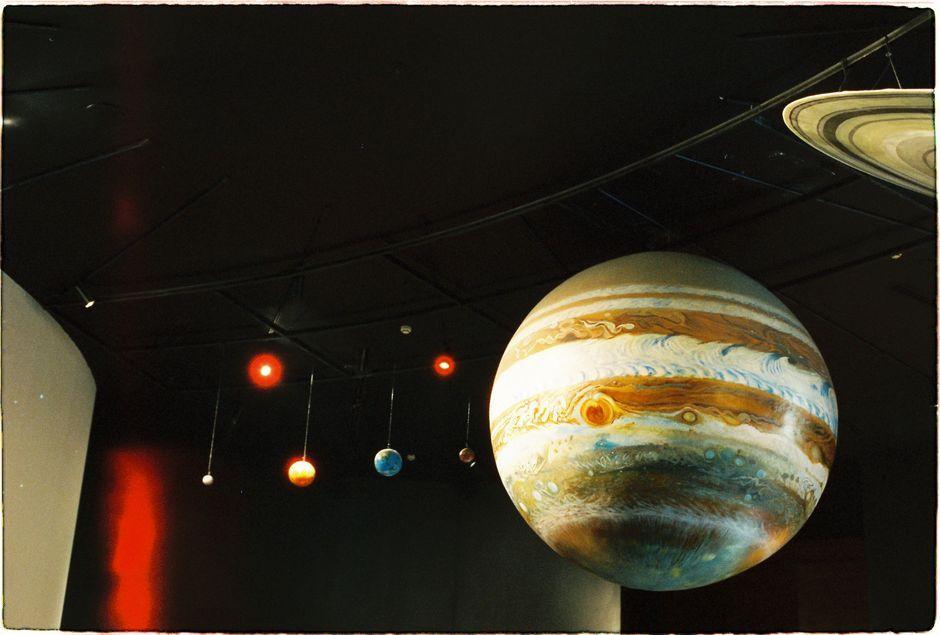
Stock photo for illustration only, not from the actual event
- Located on Pier 15 in San Francisco, the Exploratorium is a museum focused on interactive, hands-on learning.
- Exhibits are crafted by a collaborative team of developers, artists, scientists, and volunteers.
- The Exhibit Development Shop lets visitors watch staff build and maintain exhibits in real time.
- Past highlights include Heather Dewey-Hagborg's 'Probably Chelsea' project generating portraits from DNA.
Positioned on Pier 15 in San Francisco, the Exploratorium overlooks the Bay, reflecting a city defined equally by art, culture, and technological innovation. This is not a traditional museum where objects hang quietly on walls for passive viewing; it is an educational playground that transforms dry textbook lessons into engaging, curiosity-driven experiences. To bring these exhibits to inquisitive children and adults alike, the museum relies on a dedicated team of exhibition developers, artists, scientists, and volunteers who turn complex STEM subjects into a sandbox for discovery.
Back in 2014, Heather Dewey-Hagborg, then an artist-in-residence at the Exploratorium, was approached by PAPER Magazine to craft a portrait of whistleblower Chelsea Manning, who was incarcerated at the time and restricted to communicating with the press via postal mail. This work stemmed from Dewey-Hagborg's earlier project Stranger Visions (2012–2013), where she generated stranger profiles using only DNA sequences. Discussing the project with the museum, she detailed her exact process—beginning with learning DNA sequencing at Genspace, a Brooklyn community lab, and concluding with 3D printing human-scale masks through a custom algorithm, which was later showcased in the museum's Cells to Self collection.
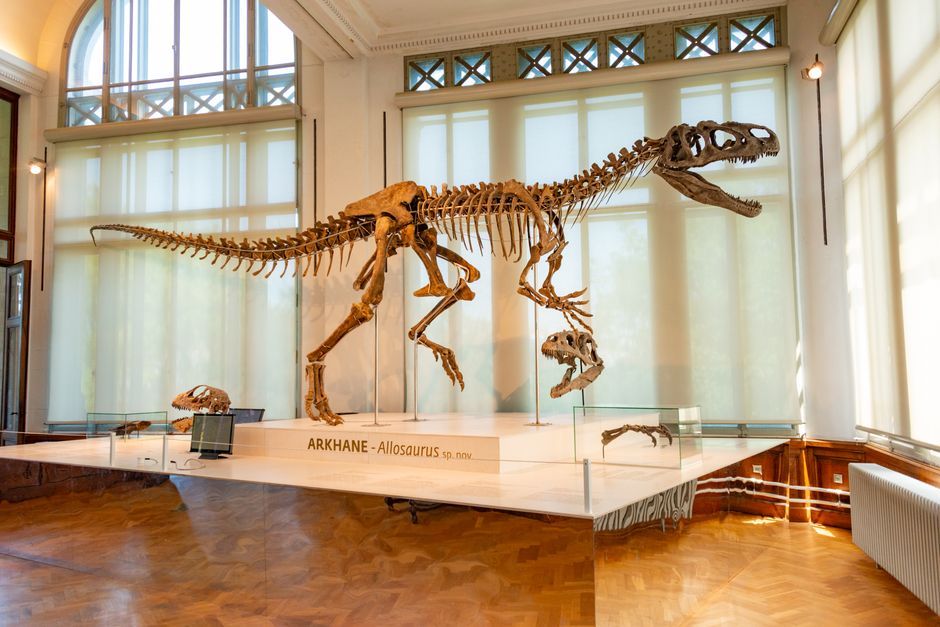
Stock photo for illustration only, not from the actual event
Since 1969, the Exploratorium has continuously designed hands-on exhibitions using an open workspace known as The Exhibit Development Shop, where visitors can peer through glass to watch machinery and gadgets in action. Amidst exploring principles of perception and gravity, museum-goers can observe developers working on ongoing displays. Because every exhibit relies on user interaction, the creators build them using a system of interchangeable parts designed to encourage frequent engagement.
Exposing the Exhibit Development Shop to public view is a deliberate design choice that demystifies the scientific process. By letting visitors witness the fabrication and repair phases firsthand, the museum breaks down the barrier between abstract science and physical reality, reinforcing the core idea that learning is an active, ongoing construction process.
With their hair tied back and safety goggles secured, the developers showcase their craft using table saws, drill presses, slinkies, and a mandala of silver spoons. In an interview with the museum, Jessica Strick, a staff member of over two decades, reflected on her role by stating:
"visitors may be surprised to know that Exhibit Developers not only just come up with the ideas but build them and also maintain them"
Jessica Strick
She also noted that the laser cutter remains one of her favorite tools in the workshop. Meanwhile, events like the Hindes Prototyping Event give 10 to 12 participants inside the museum a budget of $300 and a 3-day window to prototype new exhibition ideas.
This article is part of designboom's PLAY chapter, exploring what happens when pleasure takes precedence in design. Discover more stories celebrating joy and imagination through the original link below.
Source: designboom
Found something wrong in this article? Report an issue with this article
Comments
Leave a Comment