

People's Party Slams Sophon on 5 Points Over Neutrality
The People's Party has raised 5 points criticizing Sophon for lacking neutrality, favoring patrons, and blocking government oversight committees.

Stock photo for illustration only, not from the actual event
- The People's Party issues 5 key criticisms against Sophon.
- Accused of acting without neutrality and favoring political patrons.
- Attempting to obstruct the parliamentary committee's oversight role.
- Demanding accountability to ensure transparency in parliament.
The People's Party has stepped up its oversight efforts by publicly addressing concerns regarding Sophon, detailing 5 specific points of criticism. The party highlights operational irregularities that they claim directly undermine the legislative scrutiny process over the government.
The core of the party's statement emphasizes that Sophon's actions lack impartiality during key parliamentary sessions, particularly regarding motions intended to investigate the administration's executive actions, which are fundamental to democratic checks and balances.
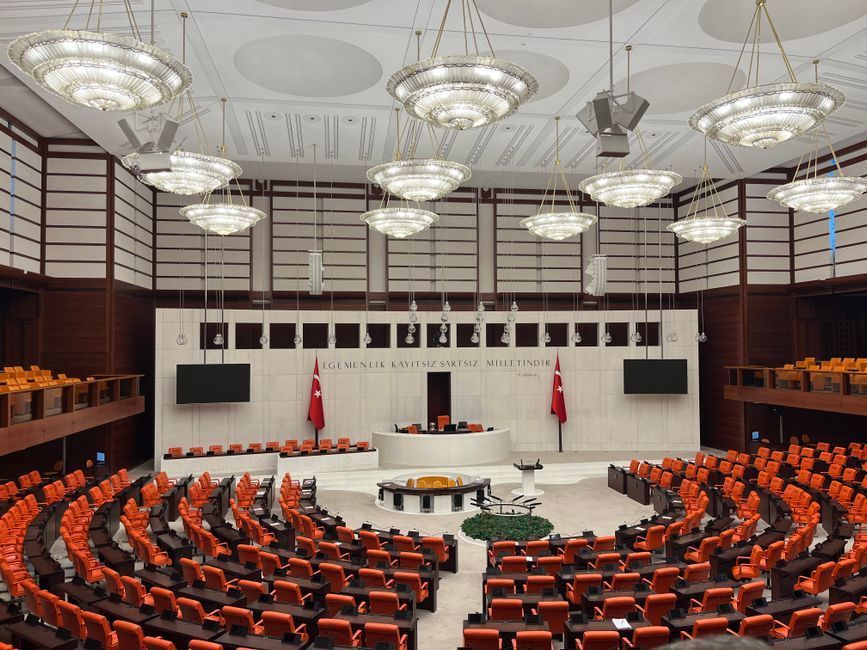
Stock photo for illustration only, not from the actual event
In addition to impartiality concerns, the party pointed out allegations of favoring specific patrons who exert influence over crucial decision-making processes. This dynamic allegedly prevents committee members from operating independently according to constitutional principles.
Contextual Analysis: Parliamentary committees serve as essential instruments for legislative checks on the executive branch. Allegations of bias or external influence often trigger intense political friction and demands for ethical reviews, a recurring theme in modern Thai political history.
Consequently, the People's Party has called for an urgent review of these legislative roles to restore public confidence in the parliamentary process and allow oversight committees to function without political interference.
Source: Matichon Politics
Found something wrong in this article? Report an issue with this article
Comments
Leave a Comment