

Guerrilla Shading Pavilion 2026: Mobile shade structure in London
Architecture practice PEARCE+ and Camden Town Unlimited built a mobile shading pavilion from salvaged timber and canvas in London.

Stock photo for illustration only, not from the actual event
- PEARCE+ built a mobile shading pavilion for the Camden Inspire Festival
- Structure made from salvaged timber and tensioned canvas sails
- Designed to combat urban heat island effect and rising temperatures
- Published an open-source guide detailing low-cost shading tactics
Architecture practice PEARCE+ has completed the Guerrilla Shading pavilion, an open and mobile cooling structure designed for the Camden Inspire Festival. Commissioned by Camden Town Unlimited and Euston Town BIDs, the project is sited at Camden Collective in London. It responds directly to escalating urban temperatures and the urban heat island effect, functioning as reusable and mobile shade infrastructure intended for continuous reassembly rather than single-event use.
The primary framework consists of five prefabricated panels sized to fit inside a standard transit van. Engineered with a tapering profile to counter wind loads transferred by cantilevered tensile canopies, the structure utilizes structural timber salvaged from previous PEARCE+ installations. The lower register of the frame remains intentionally open, allowing visitors to manually weave an enclosure using reclaimed balloon fabric supplied by Cameron Hot Air Balloons and Inflate Studio.
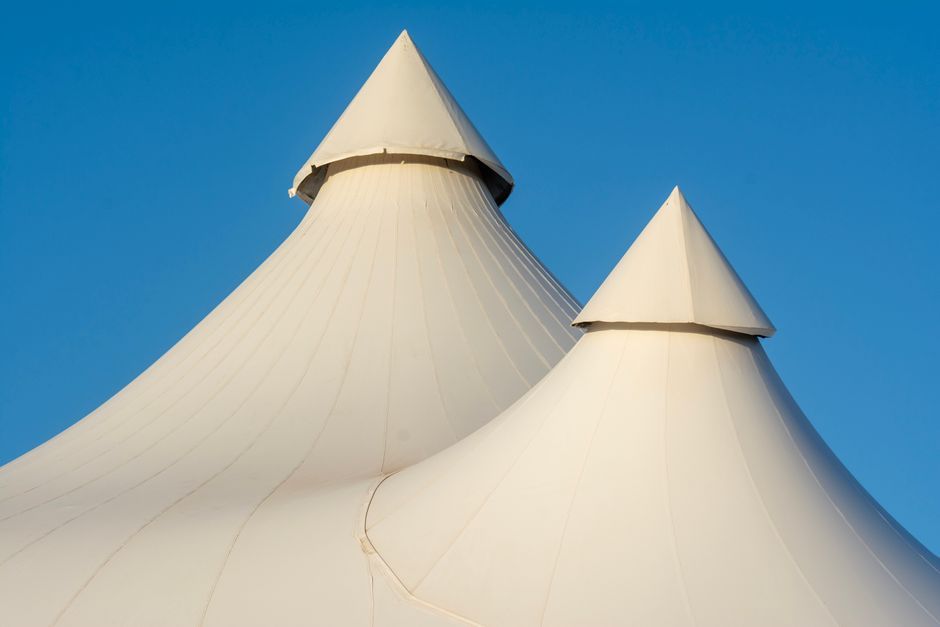
Stock photo for illustration only, not from the actual event
Additionally, tensioned naturally dyed canvas sails, developed in collaboration with artist Auda Sakho, project outward from the core frame to expand the shaded footprint over the surrounding garden. Alongside the physical pavilion, Camden Inspire and PEARCE+ Studio published Guerrilla Shading Our City, an open-source guide detailing low-cost shading tactics ranging from DIY external shutters to urban tree planting.
This project highlights the growing importance of circular architecture and community-driven design in addressing climate challenges within dense urban environments, offering scalable solutions for future city planning.
Source: designboom
Found something wrong in this article? Report an issue with this article
Comments
Leave a Comment