

COP31: Scientists predict 2026 hottest year on record
Scientists warn 2026 is on track to be the hottest year ever recorded as COP31 climate talks open in Turkey amid climate change impacts.

Stock photo for illustration only, not from the actual event
- Scientists predict 2026 will break records as the hottest year globally.
- COP31 climate summit officially opens on Monday in Antalya, Turkey.
- Global temperatures risk exceeding the Paris Agreement 1.5C threshold.
- Renewable energy saved around half a trillion dollars last year.
The world is on course to record its hottest year ever as the planet battles warming driven by climate change and El Niño, scientists have informed BBC News. This warning coincides with world leaders and negotiators gathering in Turkey on Monday for the opening of COP31, the latest United Nations climate summit.
Berkeley Earth, the independent US research group behind the forecast, stated that with two months remaining in the year, they hold 95% confidence that 2026 will surpass the previous record established in 2024. The acute impacts of rising temperatures have been felt intensely in recent months by nations attending COP31, marked by extensive wildfires across Europe and a sudden glacier collapse in Nepal that claimed over 1,000 lives.
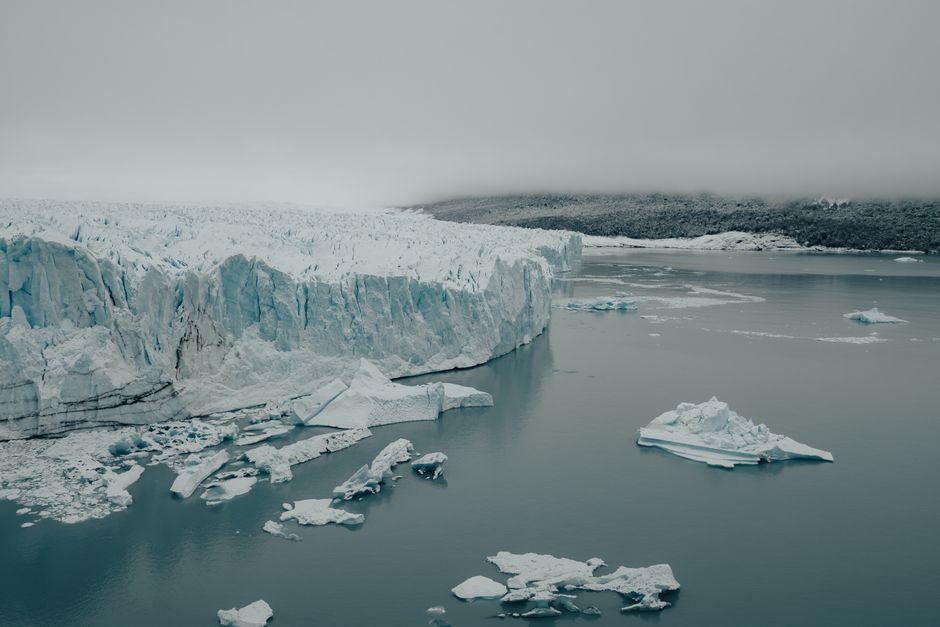
Stock photo for illustration only, not from the actual event
On Friday, the European Union's Copernicus climate service confirmed that October was the warmest on record. However, Rohde warned that this represented merely the beginning, noting the potential for much larger and more dramatic shifts down the line as greenhouse gas concentrations continue to rise from fossil fuel combustion.
The United Nations World Meteorological Organization published its own report on Monday, forecasting that 2026 will rank among the four warmest years on record, maintaining a slightly more cautious stance than Berkeley Earth. WMO also indicated that 2027 will offer no relief, as an unusually powerful El Niño persists into the following year, driving temperatures even higher.
Celeste Saulo, Secretary-General of the WMO, remarked that the ongoing trends assign a completely new meaning to the phrase off the charts. These findings underscore the immense challenges awaiting delegates gathering in the Turkish seaside city of Antalya for the two-week conference.
"The urgency of this moment must drive us forward. Global heating is already costing the Earth."
Celeste Saulo
The COP31 summit highlights a crucial transition in international climate policy. While previous conferences focused heavily on emission reductions to tackle root causes, nations now face the reality of simultaneously adapting to worsening weather extremes. Debates over clean energy versus interim fossil fuel use, such as natural gas, continue to divide participating countries.
While previous climate summits primarily centered on cutting fossil fuel emissions, an increasing number of nations now face the dual challenge of mitigation alongside adapting to new weather extremes. The Turkish government has emphasized that discussions this year should focus on electrification goals and waste reduction.
Nevertheless, divisions persist among member states. Early drafts of EU positions indicate opposition to electrification goals that permit countries to rely on natural gas, whereas nations like Saudi Arabia and Russia have historically advocated for gas as a cleaner transitional alternative to coal.
Source: BBC Science & Environment
Found something wrong in this article? Report an issue with this article
Comments
Leave a Comment