

F1 in Brazil 2026: The Critical Art of Keeping Tires Alive
The Brazilian Formula 1 Grand Prix delivered high entertainment through a topsy-turvy starting grid and intermittent rain.

Stock photo for illustration only, not from the actual event
- The Formula 1 grid in Brazil featured a topsy-turvy lineup
- Intermittent rain added constant unpredictability to the race
- Drivers faced the immense challenge of preserving their tires
- Tricky track conditions brought out the absolute best in drivers
The Formula 1 Grand Prix in Brazil provided intense entertainment for motorsport fans, driven by an unpredictable starting grid and rainfall that came and went throughout the event.
The primary challenge for every driver on the track was not merely setting fast lap times, but successfully managing tire degradation on a wet and constantly shifting racing surface.
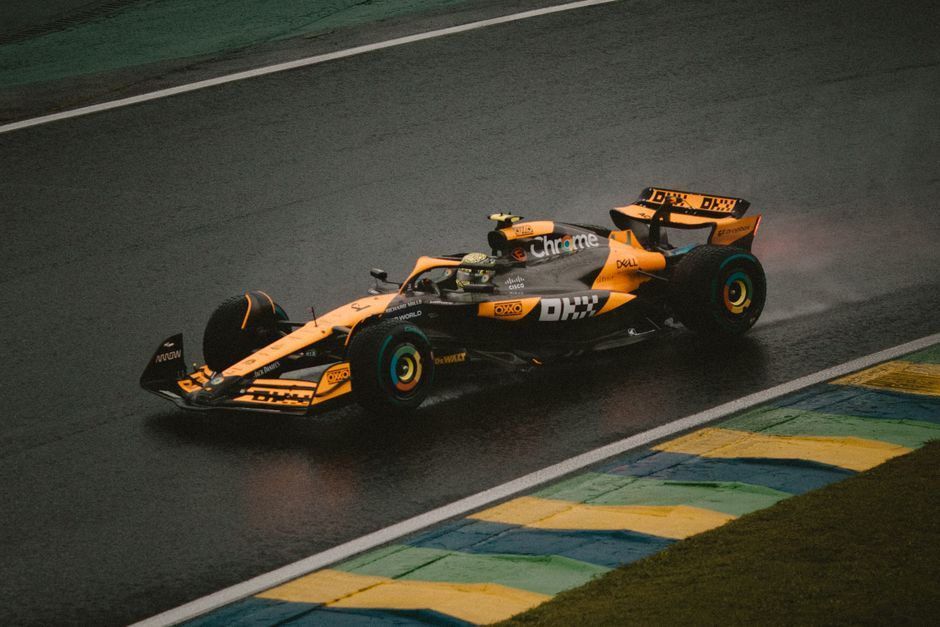
Stock photo for illustration only, not from the actual event
These unpredictable conditions heightened the drama on track, requiring drivers to deploy elite car-control skills to navigate the slippery tarmac without destroying their rubber compounds prematurely.
Tire management in mixed or wet weather conditions remains one of the defining skills separating elite F1 drivers from the rest. When rain falls intermittently, teams and drivers must make high-stakes strategic calls regarding intermediate or full wet tires, where a single miscalculation can spell disaster.
The tricky conditions at the Brazilian circuit ultimately served as a true showcase of driver talent, forcing competitors to push their limits while nursing their cars to the checkered flag.
Source: Ars Technica
Found something wrong in this article? Report an issue with this article
Comments
Leave a Comment