

Deep Dive into Amazfit Smartwatches for Runners: Great Value or Just Specs on Paper?
The Amazfit brand is trying to break into the budget smartwatch market to compete with big names, but for serious marathon runners, real-world testing reveals several limitations that still need improvement.

Stock photo for illustration only, not from the actual event
- Amazfit is a budget brand from Zepp Health offering standout features that exceed its price point
- The Cheetah 2 Pro model targets marathon runners with a price tag of $449.99
- Testing revealed issues with GPS accuracy and inconsistent Lactate Threshold assessments
- Experts recommend looking to Garmin for serious marathon training
If you are currently looking for a fitness tracking device, you have likely started seeing the name Amazfit more frequently. This brand is manufactured by the Chinese company Zepp Health (formerly known as Huami) and has no affiliation whatsoever with the e-commerce giant Amazon.
Amazfit's core strategy is positioning itself as a more cost-effective alternative to leading smartwatch brands in the market, such as Garmin, Coros, or even Apple. It typically undercuts competitors on price while packing in premium features, whether it is an AMOLED display, long-lasting battery life, Dual-band GPS in certain models, and health-tracking functions usually found in watches priced two or three times higher.
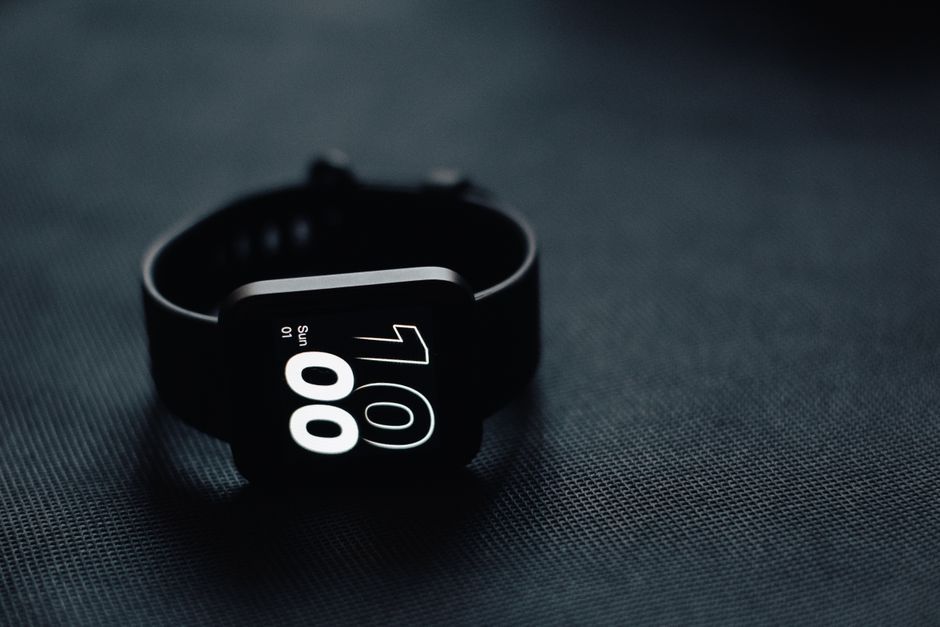
Based on hands-on testing by Lifehacker reviewers who tried out several models—such as the Balance 3 priced at $369.99, the Cheetah 2 Pro at $449.99, and the top-tier running model Cheetah 2 Ultra at $599.99—Amazfit performs impressively for hybrid athletes, as reflected by its official partnership with Hyrox. However, when it comes to specialized running watches, Amazfit still lags considerably behind its competitors.
Breaking into the competitive performance running wearables market is a very difficult challenge for new brands, because these runners are not just looking for value or attractive design. They rely on the stability of deep insights, such as VO2 Max values, accurate heart rate zone calculations, and cumulative training histories synced to global training platforms—areas where legacy brands like Garmin or Coros have spent decades building up their databases and refining algorithms.
The Cheetah series was designed to directly challenge Garmin's Forerunner lineup. On paper, the specs look very interesting, offering Dual-band GPS, running power metrics, offline maps, and AI coach features that help plan custom training routines at half the price of Garmin's equivalent spec watches.
However, the problem is that specs on paper do not translate into real-world user experience from a genuine runner's perspective. For example, labeling heart rate zones with terms like "fat burning" reflects a general fitness device concept rather than the approach of hardcore runners training to hit specific performance zones.
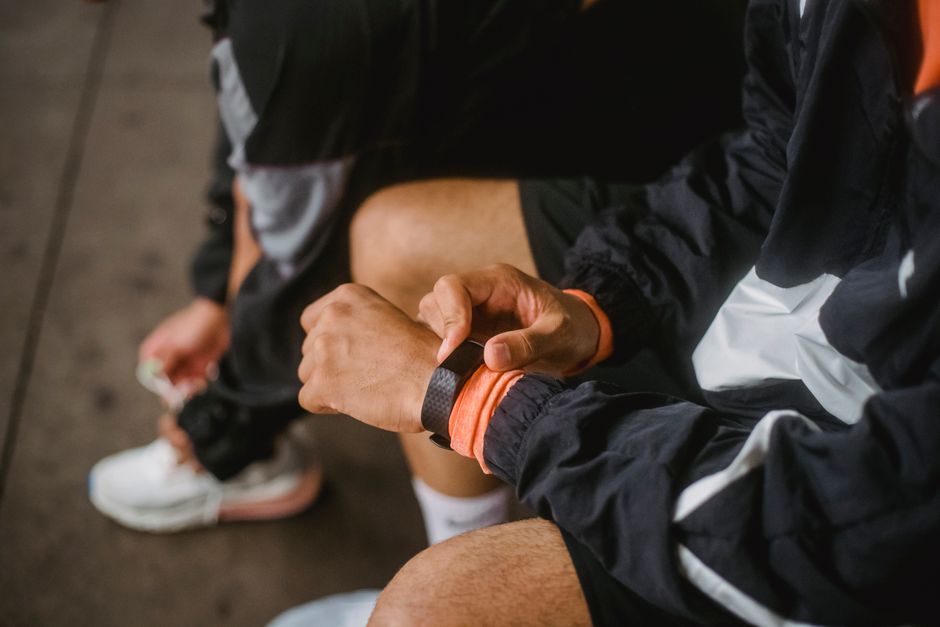
Amazfit markets the Cheetah 2 Pro as a dedicated tool for marathon training, but real-world testing revealed several minor issues that add up and impact usability:
- The Lactate Threshold estimation was off by nearly 40 seconds per mile
- GPS distance tracking accuracy was slightly inferior to the Garmin Forerunner 970
- The post-workout summary screen disappears immediately after finishing a run, requiring users to navigate back through menus to view detailed stats
For individuals who train seriously for marathons and require reliable training data analysis, the reviewer recommends switching to the Garmin Forerunner line to better meet their needs. The Garmin Forerunner 570 is priced similarly to the Cheetah 2 Pro but offers more stable advanced metrics and a superior ecosystem, or runners can spend just a few hundred dollars more on the Garmin Forerunner 970, which provides a comprehensive package among serious athletes.
Source: Lifehacker
Found something wrong in this article? Report an issue with this article
Comments
Leave a Comment