

EU Calls Emergency Meeting to Discuss Ceuta Migrant Crisis
Leaders from 22 EU member states demand coordinated action after 60,000 migrants crossed into the Spanish enclave.
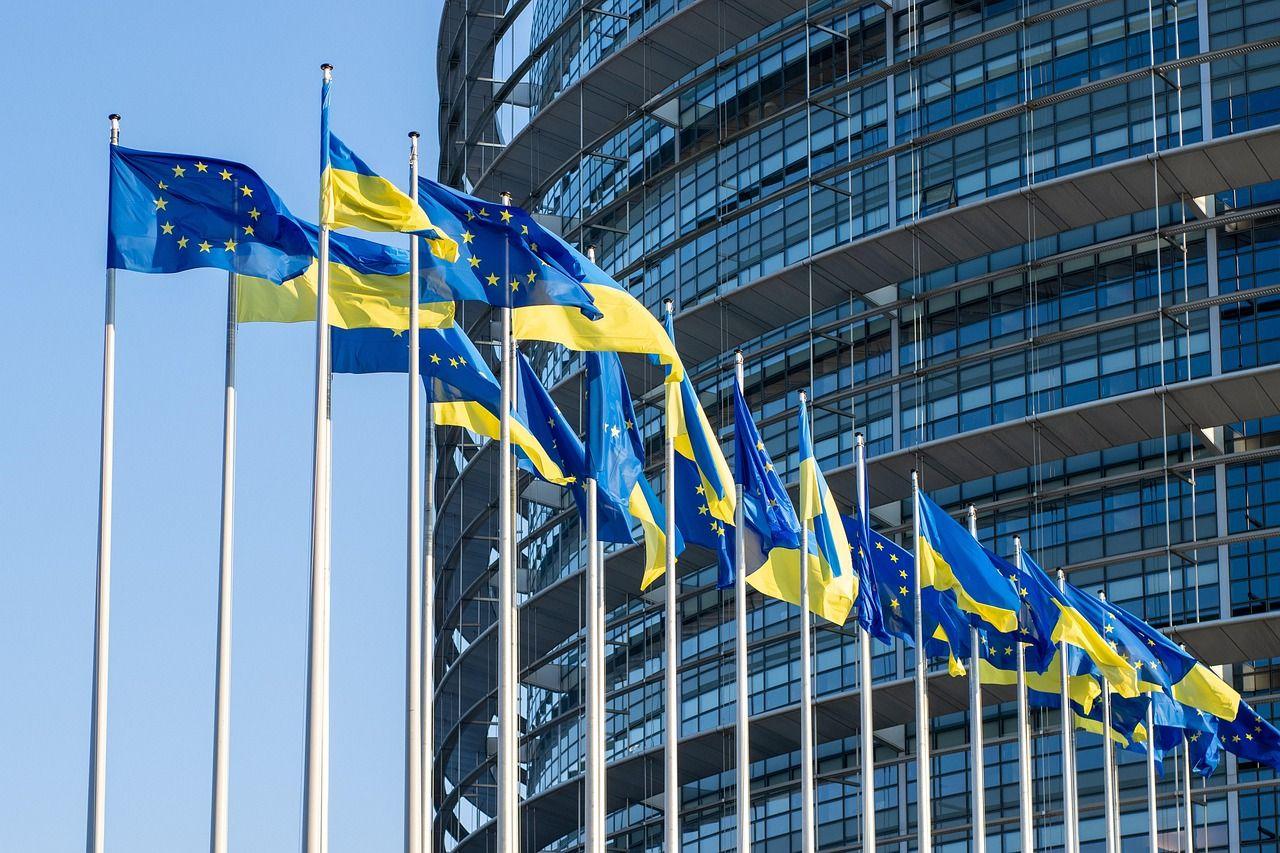
Stock photo for illustration only, not from the actual event
- The European Union will hold emergency talks on Tuesday regarding the Ceuta migration crisis
- 22 member states signed a joint letter demanding external border strengthening
- Around 60,000 migrants entered the Spanish enclave from Morocco, with at least 67 deaths
The European Union is set to hold emergency talks on Tuesday to address the ongoing migration crisis in Ceuta, following tense diplomatic exchanges between Spain and several other member states. The urgency escalated after 22 European nations issued a joint letter calling for coordinated actions and a tightening of the EU's external borders.
This pressure comes in the wake of roughly 60,000 migrants entering the Spanish enclave from Morocco, pushing the death toll from the surge to at least 67. Officials confirmed that almost all individuals who arrived in Ceuta on July 30 have since returned, allowing local businesses to resume operations.
Ceuta and Melilla represent the European Union's only land borders on the African continent, making them historical focal points for migrants attempting the dangerous swim into Europe. The latest surge has placed immense pressure on the Schengen Area—a 29-nation open-border zone encompassing over 450 million people—prompting several European governments to contemplate or temporarily impose border checks.

Stock photo for illustration only, not from the actual event
The letter was signed by leaders including those of the Netherlands, Finland, and Belgium, and was addressed to EU President Antonio Costa, European Commission President Ursula von der Leyen, and Irish Prime Minister Michael Martin, whose country currently holds the Council of the European Union presidency. In a separate letter sent directly to von der Leyen, Spanish Prime Minister Pedro Sánchez expressed serious concerns regarding the reaction of certain European governments.
Sánchez stated that Madrid successfully restored total control over the border and blocked any unauthorised onward movement into continental Europe in less than 48 hours. He accused human traffickers of exploiting a recent Spanish Supreme Court ruling that restricted the government's ability to immediately deport individuals arriving by sea.
"Almost all of the migrants have already left Ceuta."
Fernando Grande-Marlaska, Spanish Interior Minister
Spanish Interior Minister Fernando Grande-Marlaska stated during a press conference on Saturday that the situation had nearly returned to normal, noting that authorities are developing inflatable water barriers to curb illegal maritime crossings. Meanwhile, broader diplomatic friction remains, with Italian Prime Minister Giorgia Meloni suspending Italy's Schengen agreement with Spain for a month, while France, Finland, and Denmark urge the EU to evaluate all possible options.
Source: BBC World
Found something wrong in this article? Report an issue with this article
Comments
Leave a Comment