

Google Unveils TPU 8i Max and TPU 8tx AI Chips
Google introduces TPU 8i Max dual-chip for long-context agents and TPU 8tx with confidential inference, slated for 2027 per Bloomberg.

Stock photo for illustration only, not from the actual event
- Google expands its 8th-generation TPU lineup with TPU 8i Max and TPU 8tx
- TPU 8i Max packs two TPU 8i chips per package for long-context agents
- TPU 8tx integrates hardware-level confidential inference capabilities
- Bloomberg reports that availability is expected to begin in 2027
Google has strengthened its artificial intelligence infrastructure by introducing two brand-new custom chips, the TPU 8i Max and the TPU 8tx, as part of its eighth-generation Tensor Processing Unit lineup. This rollout is strategically designed to address the escalating computational demands required for advanced AI models and complex autonomous systems.
The TPU 8i Max has been specifically engineered to empower long-context agents. By integrating two TPU 8i chips directly into a single package, the hardware enables systems to efficiently handle massive amounts of input data and maintain extended memory spans without performance degradation.
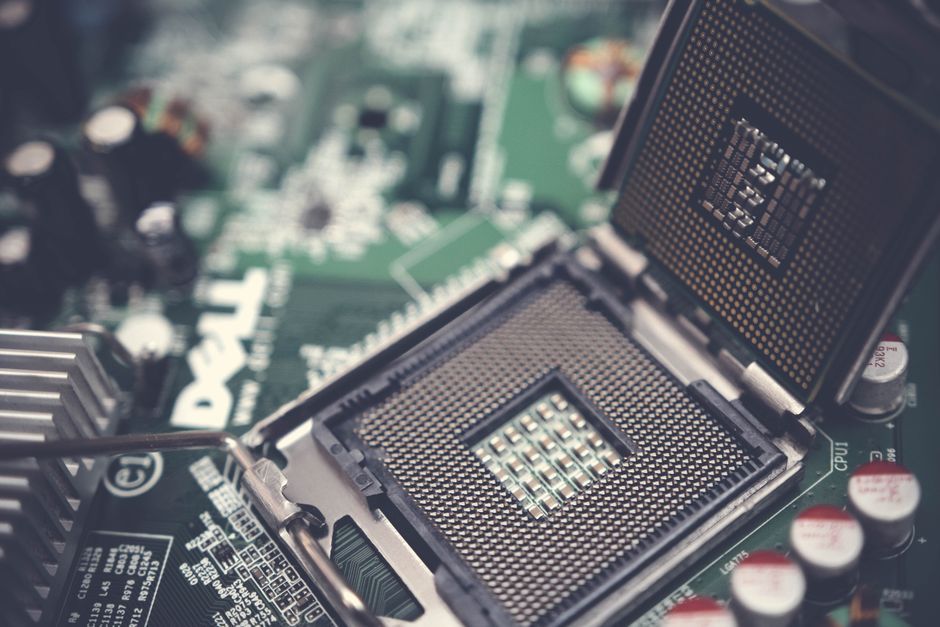
Stock photo for illustration only, not from the actual event
Simultaneously, the TPU 8tx focuses on security by incorporating hardware confidential inference features. This capability is crucial for enterprise clients and developers who need to ensure that sensitive information and proprietary user data remain encrypted and protected during cloud-based processing.
Google's continuous refinement of its proprietary TPU architecture highlights the company's commitment to bypassing standard off-the-shelf hardware limitations. By designing silicon tailored specifically for inference workloads and massive context windows, Google aims to optimize both energy efficiency and latency for next-generation AI applications.
According to reports from Bloomberg, these two cutting-edge AI accelerators are scheduled for commercial availability in 2027, positioning them as key components in Google's enterprise cloud ecosystem.
Source: MarkTechPost
Found something wrong in this article? Report an issue with this article
Comments
Leave a Comment