

The superpower battle over energy and your utility bills
UK energy bills could rise by £460 a year in January as the global clash between US fossil fuels and Chinese renewables intensifies.

Stock photo for illustration only, not from the actual event
- UK household energy bills could jump by around £460 a year starting in January.
- US and Israeli strikes on Iran in February effectively closed the Strait of Hormuz.
- Ministers blocked a £1.5bn Chinese wind turbine factory project over national security.
- Energy Secretary Miatta Fahnbulleh emphasized affordability as her overriding objective.
Soaring oil and gas prices are threatening to drive up utility costs across the UK. According to major energy suppliers including British Gas, EDF, and E.ON, typical household bills could jump by more than a quarter in January, adding roughly £460 a year. This marks the second time in four years that an international conflict has directly impacted domestic finances in Britain.
The price surge follows tensions triggered by US and Israeli strikes on Iran in February, which effectively shut down the Strait of Hormuz. Compounding the issue, winter gas demand is rising while Europe's winter gas reserves sit at their lowest levels since records began in 2011.
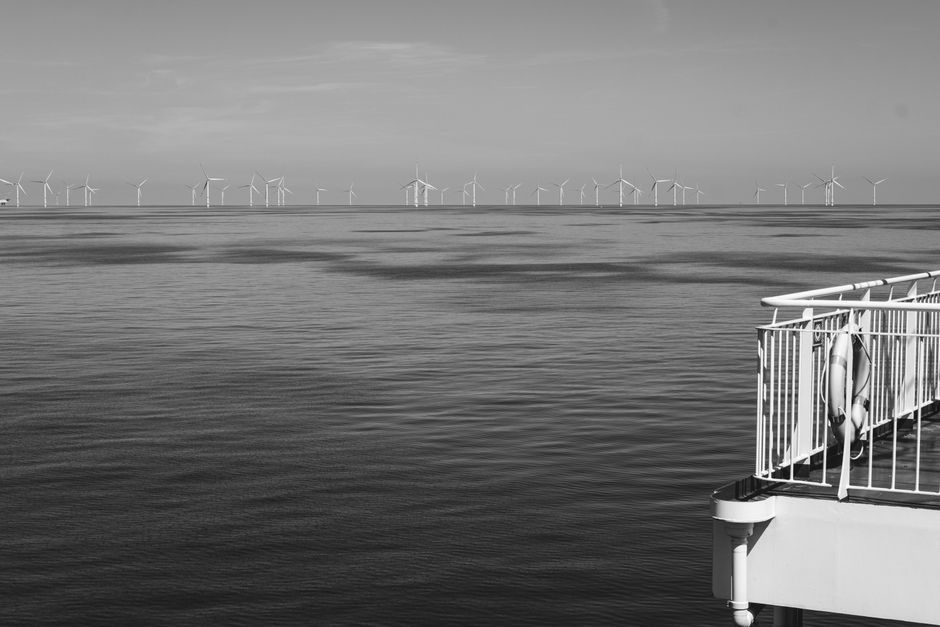
Stock photo for illustration only, not from the actual event
At the COP31 UN climate summit in Antalya, Turkey, a profound tension is playing out between the world's two energy superpowers. The United States is betting heavily on fossil fuels, pumping record volumes of oil and gas, while China is flooding global markets with solar panels, batteries, and electric vehicles. Caught in the middle, the UK imports nearly a quarter of its gas from America and much of its clean energy equipment from China.
This dilemma became starkly apparent when Ming Yang, one of China's top wind turbine manufacturers, proposed a £1.5bn factory in Moray Firth that would generate up to 1,500 jobs. In March, following pressure from US lawmakers, UK ministers blocked the project, citing national security concerns. However, the government approved a new North Sea gas field named Jackdaw during the same period.
"With the cost of living biting, affordability is my overriding objective, without a doubt."
Miatta Fahnbulleh
Energy Secretary Miatta Fahnbulleh acknowledged that tackling climate change remains a priority following Britain's hottest summer on record, yet she maintained that affordability takes precedence amid biting living costs. The UK government now faces an even tougher decision regarding Rosebank, the country's largest undeveloped oil field west of Shetland, which could produce significantly more emissions than Jackdaw.
From an analytical perspective, the UK's energy policy dilemmas highlight the difficult trade-offs between climate commitments and short-term economic pressures. Rejecting foreign clean tech investments while authorizing domestic fossil fuel extraction illustrates how geopolitical friction and domestic cost-of-living concerns continue to shape national infrastructure decisions.
Meanwhile, North Sea oil and gas output is in long-term decline, having dropped by over two-thirds since its 1999 peak. Although the government introduced a bill to ban new exploration licenses, previously licensed projects like Rosebank remain exempt, leaving ministers walking a tightrope between energy security and climate goals as January bill increases loom.
Source: BBC Science & Environment
Found something wrong in this article? Report an issue with this article
Comments
Leave a Comment