

Ring Introduces $250 AI-Powered Indoor Camera Drone
Ring unveils an AI-driven indoor camera drone priced at $249.99 featuring 2K video recording, scheduled to ship in January 2027.

Stock photo for illustration only, not from the actual event
- Ring launches an indoor camera drone priced at $249.99
- AI-powered cloud processing maps rooms and manages patrols
- Offers an 8-minute flight time and a 1-hour full recharge
- Scheduled to begin shipping in January 2027
Ring, a leading smart home brand commanding over 40% of the indoor security camera market, has announced a new product a decade in the making: an artificial intelligence-powered indoor camera drone. A reporter from Lifehacker recently had the opportunity to check out the device during a media preview event.
This drone camera is one of two items in the company's new Ring Robotics lineup, alongside the Ring Rover Cam, a canister-like rover targeted at businesses for $999.99. In contrast, the drone camera comes at a much more accessible price point of $249.99 for everyday consumers looking to monitor their living spaces.
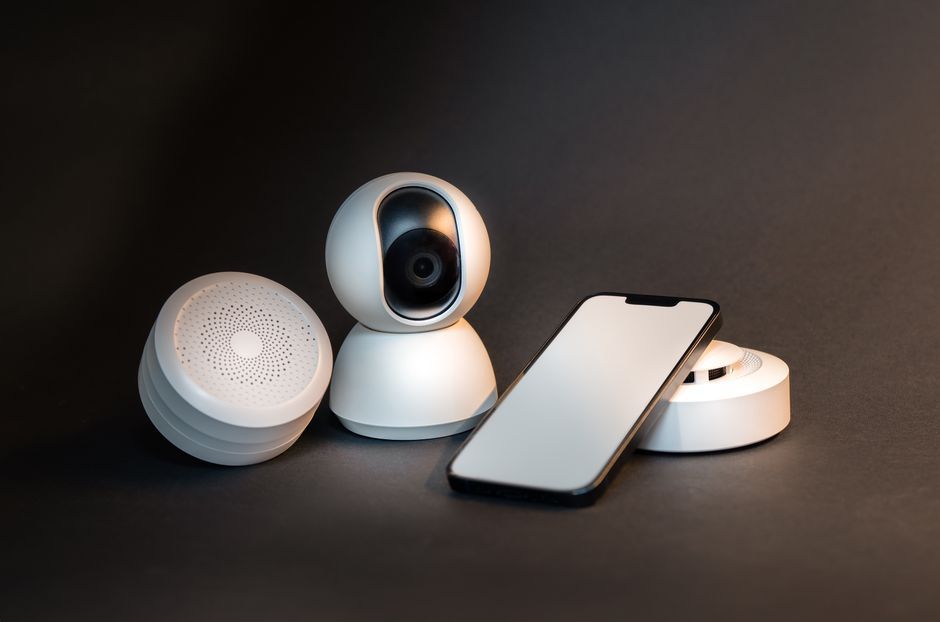
Stock photo for illustration only, not from the actual event
Technically, the drone records 2K video, boasts a 148-degree field of view, and has a 360-degree rotation capability. It integrates seamlessly with existing Ring cameras, doorbells, sensors, alarms, and the Alexa Home Map. The device provides a flight time of eight minutes and requires about an hour to fully recharge at its base station.
As Ring founder Jamie Siminoff explained during the preview, the company spent about ten years trying to build a viable camera drone, overcoming design hurdles only after recent advancements in AI models. By shifting computing tasks like route programming and threat detection to the cloud, the drones can remain small and lightweight.
During setup, users carry the device around the home to map the interior. The AI intelligently identifies rooms and suggests patrol hotspots. When deployed on patrol, it navigates around furniture and obstacles, and can automatically launch to investigate if another home sensor, such as a window alarm, is triggered.
Introducing an autonomous flying camera into residential spaces bridges advanced smart home security with evolving privacy considerations. While it offers real-time remote monitoring for pets or unexpected temperature spikes, the mechanical sound of spinning propellers and constant indoor aerial movement require users to balance high-tech surveillance capabilities with personal comfort at home.
Those eager to adopt this security technology will need to wait a bit longer, as shipping is not expected until January 2027, though pre-order alert sign-ups are currently available.
Source: Lifehacker
Found something wrong in this article? Report an issue with this article
Comments
Leave a Comment