

Tinned food and bottled water sales jump after Be Ready
Sales of hand sanitiser, bottled water, and tinned goods surged in the UK following the government's Be Ready public awareness campaign.

Stock photo for illustration only, not from the actual event
- Hand sanitiser sales surged 83%, bottled water rose 67%, and tinned goods climbed 37% after the campaign
- The government advised households to keep a three-day supply of food, water, torches, and cash
- Food firm Princes reported a sharp increase in demand for tinned tuna, meat, and vegetables
- Experts noted the UK is still playing catch-up with European neighbours in emergency preparedness
Following the launch of a public awareness campaign by the government encouraging citizens to stock up on essentials against severe weather disruptions or cyberattacks, retail research firm Worldpanel by Numerator revealed a sharp spike in consumer purchases. Hand sanitiser sales experienced an 83% increase, bottled water sales rose by 67%, and tinned and jarred goods climbed by 37% across the country.
Despite the rapid surge in sales figures, Worldpanel emphasised that households were steadily accumulating essentials rather than engaging in panic buying. The government campaign specifically urged residents to keep a three-day supply of food and water at home, alongside recommended items such as wet wipes, a torch, and cash.
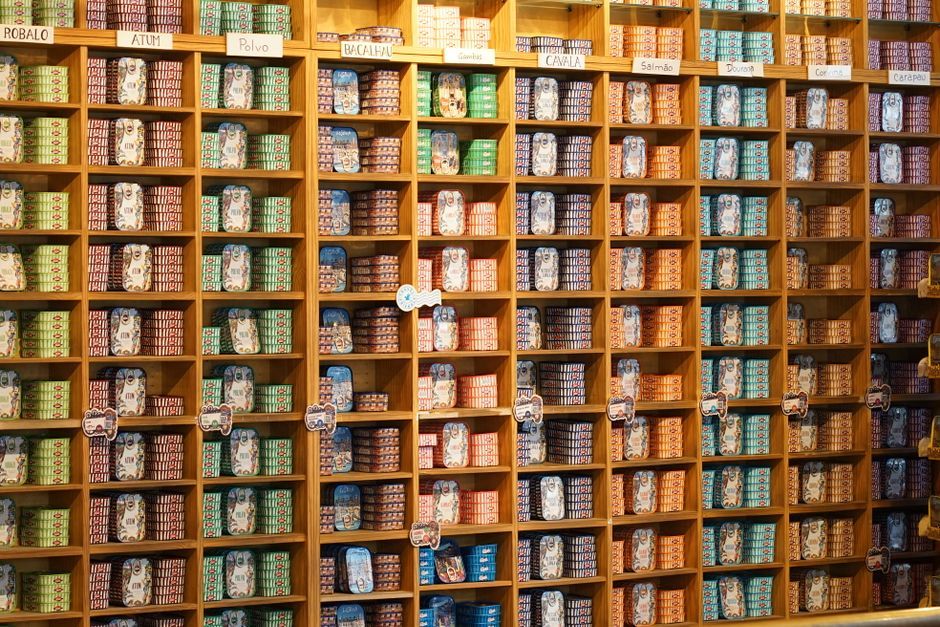
Stock photo for illustration only, not from the actual event
Worldpanel further reported that the equivalent of an extra 400,000 people per day purchased tinned meat following the campaign launch, although the typical purchase quantity remained steady at 500g, indicating a gradual and measured accumulation. Consequently, sales of tinned and jarred goods grew from £58.2m in the 10 days leading up to 2 November 2025 to £79.5m over the same period in 2026.
Additionally, bottled water sales jumped from £13.6m to £22.8m compared to the previous year, while hand sanitiser sales climbed from £497,000 to £908,000. Further evidence of this stockpiling trend came from food manufacturer Princes, which confirmed on Tuesday that consumer demand for tinned tuna, meat, and vegetables had risen in the wake of the government initiative.
"Further reinforces the relevance of our core categories in providing affordable, nutritious and convenient food solutions"
Giuseppe Mastrolia, Interim Chief Executive of Princes
The UK government's Be Ready campaign highlights a significant shift toward household self-reliance amid growing concerns over food security and digital infrastructure vulnerabilities. While European nations like France and Germany have long established robust national emergency frameworks, critics and experts point out that the UK is playing catch-up. Moreover, economic disparities remain a critical hurdle, as government surveys previously indicated that a notable percentage of the population cannot afford to keep several days' worth of supplies at home.
Prime Minister Andy Burnham stated that everyone should maintain those basic supplies at home to navigate critical moments. Meanwhile, disaster recovery expert Lucy Easthope previously informed the BBC that the UK was playing massive catch-up compared to European nations such as France, Germany, Denmark, Sweden, and Norway in terms of preparedness. A coalition of over 180 experts previously called on authorities to mandate local council responsibilities for food supply emergencies, pointing out a government survey finding that 29% of people in the UK could not afford to keep a few days' worth of food at home.
Source: BBC Politics
Found something wrong in this article? Report an issue with this article
Comments
Leave a Comment