

US military grows nervous over rocket launch supply crunch
The US military is expressing growing concern over launch capacity constraints, a situation that officials previously predicted.

Stock photo for illustration only, not from the actual event
- The US military is increasingly nervous about tightening rocket launch constraints.
- Officials noted that this exact bottleneck situation was previously predicted.
- Launch limitations pose significant challenges to national security space operations.
The US military is showing clear signs of apprehension regarding the ongoing launch supply crunch, a situation where the demand for rocket launches far exceeds the available capacity and infrastructure required for critical space missions.
This tight supply chain is not an unexpected development. Defense and aerospace experts had previously forecasted that the rapid increase in mission requirements would eventually outpace existing launch site capabilities and logistical frameworks.
The launch supply crunch highlights the growing pains of a booming aerospace sector where military reliance on satellite constellations for communication, reconnaissance, and navigation puts immense pressure on available launch windows and vehicles.
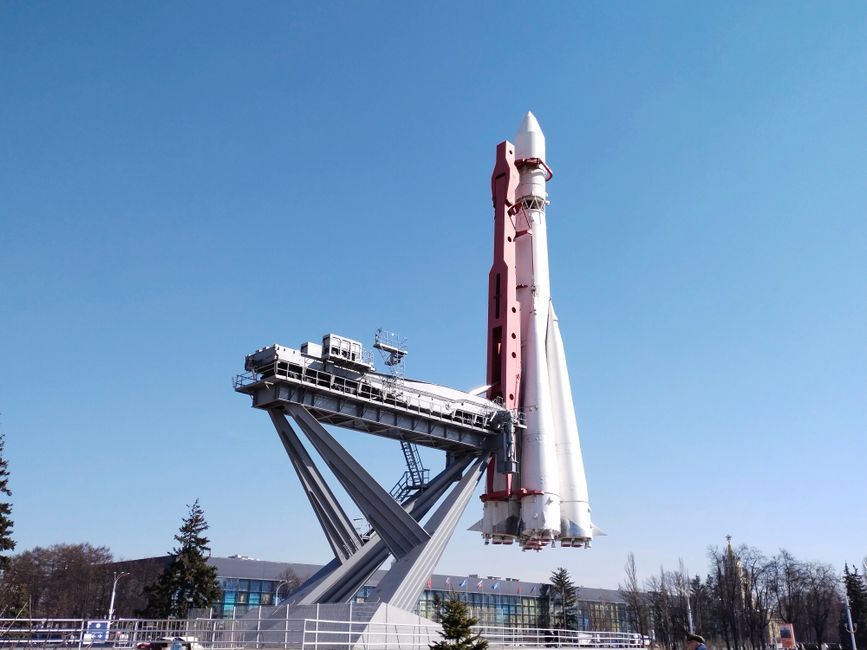
Stock photo for illustration only, not from the actual event
This mounting nervousness aligns with prior assessments made by military leadership regarding the rigid limitations currently facing national security space access.
"Launch is extremely constrained and that is exactly the situation we predicted."
US Military Official
As the demand for orbital assets continues to rise, the US military must navigate these severe bottlenecks to ensure uninterrupted access to space for defense operations.
Source: Ars Technica
Found something wrong in this article? Report an issue with this article
Comments
Leave a Comment