

Can Objects to Direct Government Investment in Landbridge, Pushes for Missing Link
Thailand's Deputy Prime Minister reveals studies show the landbridge project is economically unviable, prompting a shift toward developing the Missing Link rail network instead.
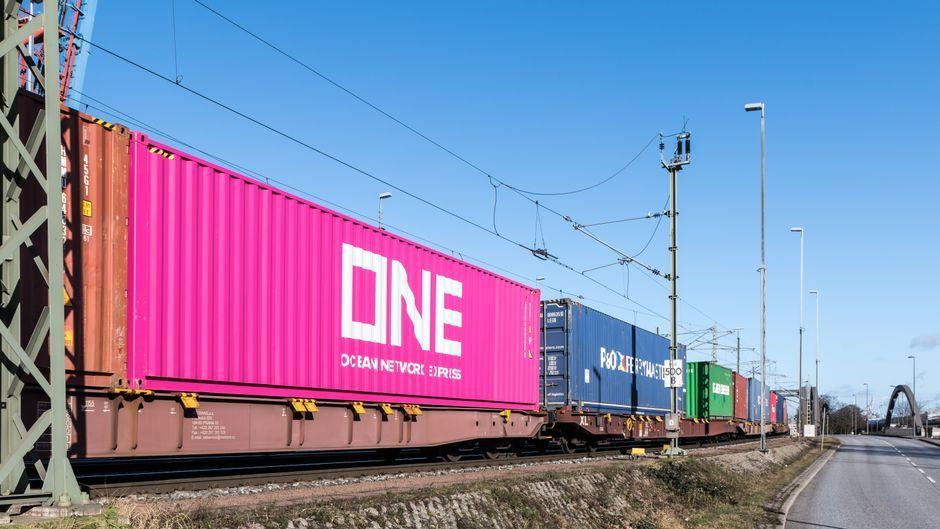
Stock photo for illustration only, not from the actual event
- Studies indicate the landbridge project lacks economic viability and carries high environmental risks
- Deputy PM Ekniti confirms the project is effectively shelved
- Anutin suggests prioritizing the Missing Link rail network and upgrading ports first
- The government faces criticism over using public funds for projects unattractive to private investors
The future of Thailand's flagship landbridge project has hit a major roadblock as the government signals that the ambitious cross-peninsula transport scheme is unlikely to materialize in its original form. Ekniti Nitithanprapas, Deputy Prime Minister and Minister of Finance, revealed that feasibility studies concluded the project is economically unviable and poses high environmental risks. When reporters asked whether the project was officially scrapped, he responded that "you could say that," adding that the administration will instead consider building a railway line to the port of Ranong, known as the Missing Link, to connect with China.
Meanwhile, Prime Minister and Minister of Interior Anutin Charnvirakul stated in an interview that the government has not completely abandoned the landbridge concept, but rather aims to align it with current circumstances. He emphasized that the immediate priority should be constructing the Missing Link rail network and upgrading ports on both coasts to generate faster results. If geopolitical factors and favorable conditions arise in the future, the landbridge concept can always be revisited.

Stock photo for illustration only, not from the actual event
To understand the core concept, a true landbridge involves international cargo being unloaded from a ship on one coast, transported overland by rail or road, and loaded onto another ship on the opposite coast to bypass longer maritime routes like the Strait of Malacca. Moving goods domestically from Ranong to Chumphon does not qualify as an international landbridge. The likelihood of reviving the full landbridge is slim because government studies confirm low return on investment, making it exceedingly difficult to entice private sector participation in such a massive undertaking, especially given existing global shipping alliances and terminal networks.
The strategic shift from a high-cost mega-project like the landbridge to incremental logistics improvements such as the Missing Link demonstrates a pragmatic approach to fiscal policy. By prioritizing rail connectivity and port upgrades, Thailand can enhance its overall supply chain efficiency while avoiding the massive financial liabilities associated with speculative maritime hubs.
Observers point out that if the government gradually invests in double-track railways, motorways, and modernized deep-water ports, the country will significantly improve its trans-peninsula logistics capabilities even without a formal landbridge. A critical task moving forward is conducting an objective comparison to determine the optimal location for the Andaman Sea port, evaluating sites like Ranong and Pak Bara in Satun to ensure maximum socioeconomic return for every baht invested.
"The duty of the state is not to prove that a massive mega-project must be built at all costs, but to allocate national resources to projects yielding the highest socioeconomic returns."
Logistics Policy Analysis
Source: Matichon Politics
Found something wrong in this article? Report an issue with this article
Comments
Leave a Comment