

Kenyans fear deadly El Niño floods after prior disaster
Kenyans in Kibera fear a severe El Niño after floods earlier this year killed over 60 people, while the UN warns nearly 900,000 face displacement.

Stock photo for illustration only, not from the actual event
- Kenyans fear severe El Niño floods following a rainy season that killed over 60 people earlier this year.
- Authorities in Nairobi are clearing blocked drainage systems and riverbeds to prevent catastrophic flooding.
- The UN migration agency warns that nearly 900,000 people in Kenya could be displaced this year.
"It flooded up to here in March," Agnes Shikoli says, pointing to a spot halfway up the 1.8-metre corrugated iron wall of her home in Kibera, one of the largest informal settlements in Kenya. Her tiny house lies just a couple of metres from the Ngong river, which runs through this densely populated area in the capital city of Nairobi.
The scars of floods from the long rainy season earlier this year remain clearly visible, including a broken television set in the corner that had been completely submerged in water. Tucked away out of sight is a photograph of her 58-year-old sister Beatrice Khalayi, who lost her life when intense rainfall caused widespread destruction throughout Kibera, joining a toll of over 60 people across the nation.
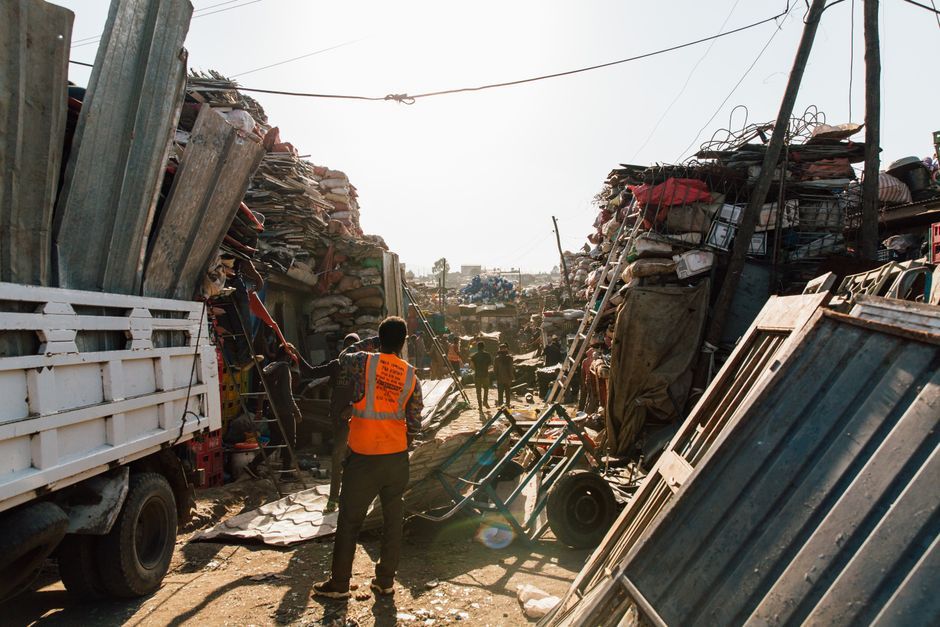
Stock photo for illustration only, not from the actual event
As Kenya's short rainy season begins, Shikoli tells the BBC of her deep fear, especially following official warnings that the El Niño weather phenomenon could trigger a brand-new wave of severe flooding. Kibera and the wider country find themselves standing directly on the front line of preparations against the impending natural threat.
Outside Shikoli's residence, teams of men and women wearing high-visibility vests shovel and rake accumulated garbage out of the riverbed for disposal far away from the water. This initiative, known as Climate Worx and operating under President William Ruto's office, aims to rehabilitate Nairobi's waterways, with operations scaling up significantly since August amid rising warnings.
El Niño is a climate pattern characterized by the warming of surface waters in the central and eastern tropical Pacific Ocean, frequently disrupting global weather systems. In East Africa, strong El Niño phases typically result in torrential rainfall and severe flash floods, whereas other global regions may suffer prolonged droughts. Scientists and meteorologists frequently draw comparisons to the catastrophic 1997-1998 event.
Bramwell Simiyu, Nairobi County's disaster management chief, tells the BBC that local drainage networks have remained untouched for many years and clearing accumulated refuse is essential to saving lives. Informal settlements near rivers suffer disproportionately during flash floods, and rapid population growth has severely strained municipal infrastructure without adequate upgrades.
Source: BBC Science & Environment
Found something wrong in this article? Report an issue with this article
Comments
Leave a Comment