

Malaysia Airlines Overtakes AirAsia on India Routes
Malaysia Airlines becomes top operator on Malaysia-India routes for 2026 with 1.57 million seats as AirAsia cuts capacity by 21% amid high fuel costs.

Stock photo for illustration only, not from the actual event
- Malaysia Airlines takes the top spot on Malaysia-India routes for 2026.
- AirAsia loses the position for the first time since 2021 after cutting seats by 21% to 1.42 million.
- Soaring fuel prices and aircraft shortages prevent rivals from swiftly expanding capacity.
The aviation market between Malaysia and India is undergoing a major shift as full-service carrier Malaysia Airlines has overtaken its budget rival to become the largest operator on the route. According to Cirium data, Malaysia Airlines has scheduled 1.57 million seats for 2026, surpassing the combined 1.42 million seats of the AirAsia group and its long-haul affiliate AirAsia X.
This milestone was achieved with minimal growth from Malaysia Airlines, whose seat capacity increased by just 1% compared to 2025. Conversely, the AirAsia group drastically scaled back operations, resulting in a 21% drop in capacity—a loss of nearly 378,000 seats within a year. Consequently, AirAsia's market share slipped from 39% to 35%, while Malaysia Airlines expanded its share from 34% to 38%.
The primary catalyst behind AirAsia's contraction is soaring fuel expenses. Jet fuel averaged 183 dollars a barrel in the second quarter, marking a 66% surge. With the group largely unhedged, it posted a net loss of 831 million ringgit, equivalent to 204 million dollars. This financial strain forced the carrier to suspend 81 routes, plan the early return of 25 aircraft to lessors, and seek to raise up to 1 billion dollars primarily for debt refinancing.
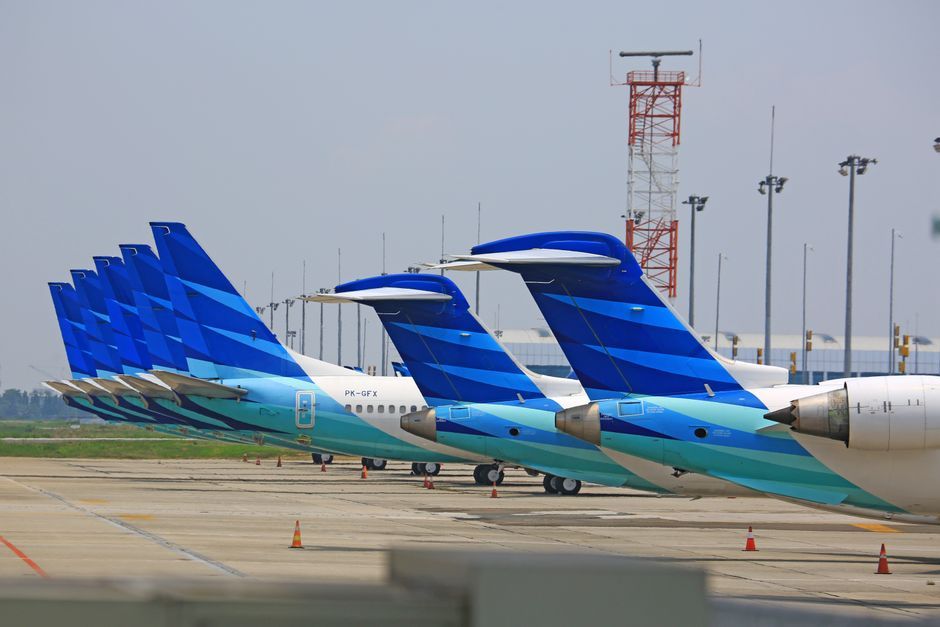
Stock photo for illustration only, not from the actual event
Rivals have largely captured market share by default rather than aggressive expansion due to severe industry bottlenecks. Batik Air, despite informing the Malaysian government of its readiness to absorb AirAsia's routes, actually saw its Malaysia-India seats decline by 9%, while IndiGo's seats fell by 18%. Only Air India emerged as the sole carrier demonstrating robust growth on these routes.
AirAsia's contraction highlights deep structural challenges facing low-cost carriers amid escalating energy costs and supply chain constraints. Analysts note that competitors cannot easily fill the void due to a severe shortage of narrowbody delivery slots, which are heavily booked out until roughly 2033. This scarcity turns aircraft into a critical bottleneck, meaning returning jets to lessors now could significantly slow down AirAsia's eventual market comeback.
Source: Skift
Found something wrong in this article? Report an issue with this article
Comments
Leave a Comment