

UK crackdown warns sunbed firms against downplaying cancer risks
The UK Committee for Advertising Practice issues a nationwide enforcement notice banning misleading health claims and safety guarantees by December 7, 2026.

Stock photo for illustration only, not from the actual event
- CAP issues a strict UK-wide enforcement notice targeting misleading sunbed ads
- Tanning firms are banned from claiming sunbeds are safe or treat medical conditions
- Businesses have until December 7, 2026, to ensure their marketing complies
- An AI monitoring system will be deployed to catch rule-breaking advertisements
The UK Committee for Advertising Practice (CAP) has launched a major crackdown on misleading sunbed advertisements, issuing a strict nationwide warning that tanning companies must not downplay the serious health hazards linked to their equipment. The move follows a surge of promotional claims across digital platforms that have raised alarm bells among health regulators and medical professionals.
Earlier this year, BBC investigations revealed hundreds of social media videos falsely asserting that tanning beds could boost energy levels, elevate mental well-being, and treat various skin conditions. Health charities and medical experts have repeatedly emphasized that these devices have a direct causal relationship with surging rates of melanoma and other dangerous forms of skin cancer.
According to World Health Organization (WHO) data, utilizing a tanning bed prior to the age of 35 increases an individual's lifetime risk of developing melanoma by 59%. Meanwhile, a 2025 YouGov survey highlighted that young adults aged 18 to 24 in the UK are by far the heaviest users, with roughly one in seven admitting to using a sunbed within the past year—double the national average across all demographics.
Rosie Vare, health information manager at the Teenage Cancer Trust, noted that skin cancer remains among the most prevalent diagnoses for young adults, welcoming the decision to enforce stricter marketing regulations. She stressed the importance of ensuring young people receive accurate safety information from trusted institutions rather than commercial tanning advertisements.
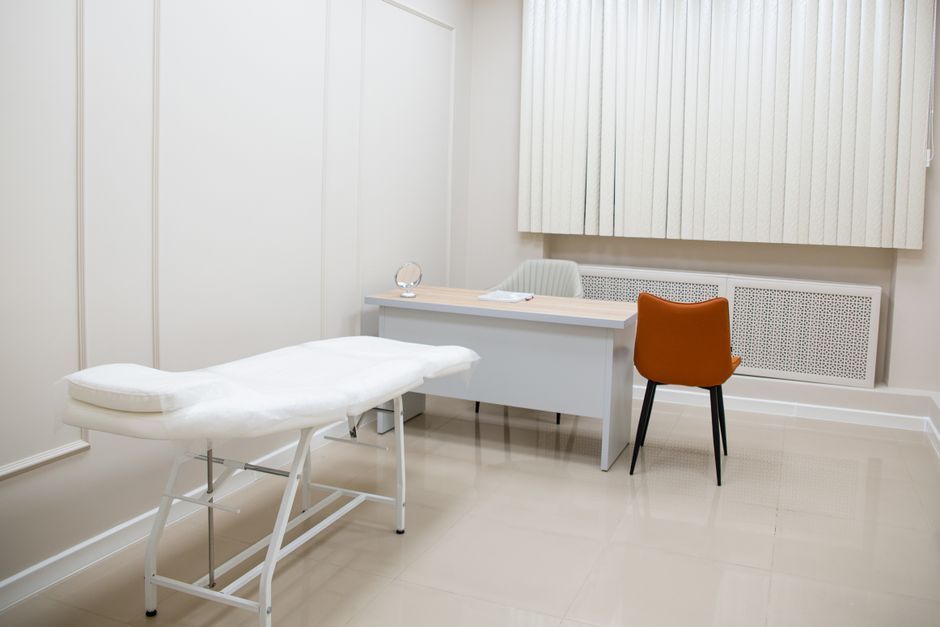
Stock photo for illustration only, not from the actual event
This strict enforcement notice highlights the growing regulatory pressure on digital health misinformation, particularly when targeted at younger demographics via social media channels. Permitting commercial entities to market tanning equipment as therapeutic tools not only breaches advertising standards but poses severe public health risks by deterring patients from seeking professional medical diagnoses. By incorporating AI-driven automated monitoring systems past the December 2026 deadline, regulatory bodies are adapting to scale oversight across modern digital ecosystems.
The Sunbed Association, representing roughly half of the commercial tanning salons across the UK, stated its full backing for actions against deceptive advertising. Chairman Gary Lipman explained that member salons adhere to strict operational guidelines, which include screening out fair-skinned high-risk customers and limiting clients to a maximum of 60 sessions annually, while insisting that businesses must still be permitted to communicate their regulatory compliance.
Under the new enforcement guidelines, advertisers have been granted until December 7, 2026, to review and amend their promotional materials. The CAP confirmed it will utilize specialized artificial intelligence monitoring tools to automatically detect persistent violations and pursue further regulatory penalties where necessary.
Source: BBC Health
Found something wrong in this article? Report an issue with this article
Comments
Leave a Comment