

Bank of Thailand Reports Stable June Economy Despite Q2 Slowdown
The Bank of Thailand reports the overall Thai economy remained stable in June 2026, but Q2 slowed across almost all sectors due to Middle East conflicts and high living costs.
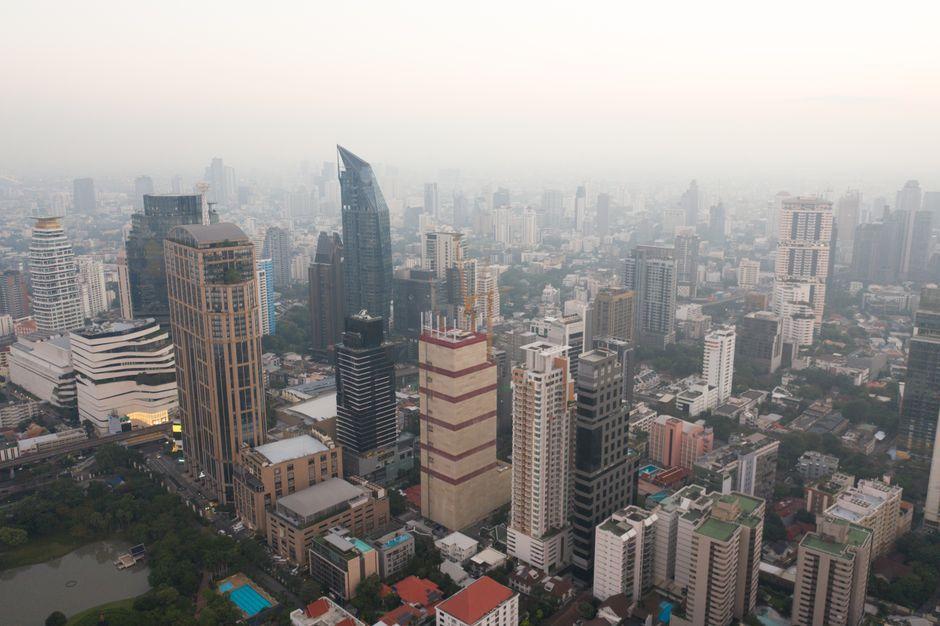
Stock photo for illustration only, not from the actual event
- Thailand's June 2026 economy remained stable, but Q2 slowed down across most sectors.
- Middle East conflicts spiked energy prices, severely impacting tourism and services.
- Private consumption fell due to high living costs and the end of EV 3.0 subsidies.
- Tech exports grew with the global electronics cycle, though imports rose sharply.
The Bank of Thailand released its economic overview for June 2026, indicating that while the overall economic condition remained stable, the second quarter experienced a slowdown across almost every dimension compared to the previous quarter. The primary catalyst behind this contraction stems from the ripple effects of the Middle East conflict, which heavily impacted the global economy, most notably through soaring energy prices.
In the tourism sector, international travel faced clear constraints as tourist arrivals from the Middle East and Europe dropped significantly. Coupled with airlines reducing flight frequencies due to high energy costs, domestic service sectors—particularly hotels, accommodations, and restaurants—experienced sharp contractions, leaving popular tourist destinations visibly sluggish.

Stock photo for illustration only, not from the actual event
The heavy reliance of Thailand's service and tourism sectors on travelers from the Middle East and Europe highlights the structural vulnerability of the local tourism industry to external shocks. When geopolitical crises drive up aviation costs, long-haul travelers immediately delay their trips, underlining the urgent need for stakeholders and the government to diversify tourist markets and stimulate domestic travel.
Private consumption also saw a substantial decline driven by escalating living costs. Although June saw some cushioning from government stimulus measures, spending dropped across nearly all categories—particularly in hotels, restaurants, and general consumer goods. Fuel consumption decreased following pre-buying in the previous quarter, while electric vehicle (EV) sales dipped slightly following the conclusion of the EV 3.0 subsidy scheme.
Nevertheless, a bright spot remained in merchandise exports and private investment, which continued to improve steadily. Technology products, in particular, benefited from the upward cycle of the global electronics industry and rising demand for data center investments. However, imports surged significantly as well, driven by crude oil imports for domestic reserves and electronics components required to support tech exports.
Looking ahead to the third quarter, economic growth and household consumption are expected to remain concentrated. While government support will persist, living costs will stay elevated. Key factors to monitor moving forward include developments in the Arab Gulf war, US trade policies, the recovery of the tourism sector, and mounting pressures from rising business production costs.
Source: Khaosod Politics
Found something wrong in this article? Report an issue with this article
Comments
Leave a Comment