

5 Ways to Cut Food Costs Without Starving and Save Money Every Month
Discover smart food budgeting tips to lower your daily expenses without skipping meals while maintaining proper nutrition.

Stock photo for illustration only, not from the actual event
- Food and beverage expenses account for 30-35% of Thai household spending
- Using a shopping list prevents impulse buying and unnecessary purchases
- Buying Yellow Tag clearance items saves up to 30-50% on food costs
- Switching to affordable proteins like eggs and tofu lowers meal budgets
Amid rising living costs and economic pressure, daily food expenses directly impact everyone's wallet. Many people attempt to save money by skipping meals or cutting out essential nutrients, which ultimately harms their health and work productivity in the long run. In reality, sustainable food budgeting is not about starving oneself, but rather about smart management to achieve both nutritional value and financial efficiency.
Data from the Household Socio-Economic Survey by the National Statistical Office indicates that spending on food, beverages, and tobacco accounts for approximately 30-35% of total Thai household expenditures, representing a substantial portion compared to other categories.
Planning weekly meals in advance helps curb unnecessary ingredient purchases. Creating a shopping list before heading to the market or supermarket and sticking to it strictly prevents emotional buying or falling for unnecessary promotional traps.
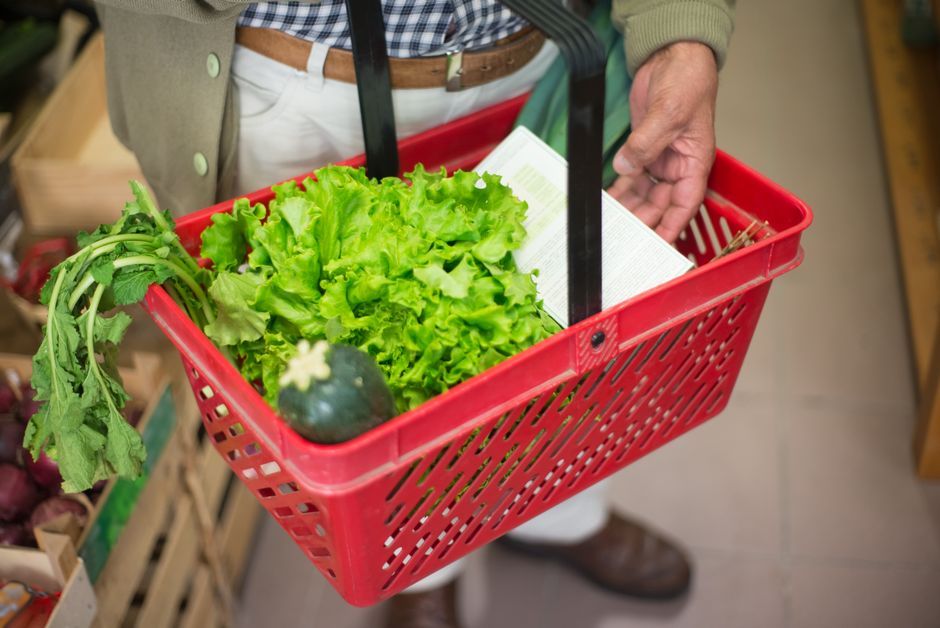
Stock photo for illustration only, not from the actual event
Choosing the right places to shop also matters. Local fresh markets usually offer cheaper and fresher ingredients, while supermarkets often apply Yellow Tag discount labels to fresh food or ready-to-eat meals during the evening. Consuming these immediately or freezing them properly can cut food costs by 30-50%.
Managing household ingredients using the FIFO (First In, First Out) principle is a commercial inventory technique that households can easily adopt. It prevents food from spoiling in the refrigerator, which is essentially throwing away cash.
Furthermore, swapping high-priced meats like beef or red pork for budget-friendly yet nutrient-dense protein alternatives is an effective strategy:
- Eggs and tofu
- Various types of beans
- Chicken breast
- Freshwater fish
Delivery fees and service charges from food delivery apps can silently inflate per-meal prices by 20-40%. Switching to home-cooked meals, walking to nearby eateries, or brewing your own coffee at work can save thousands of baht per month. Reducing food expenses is not about torturing yourself with hunger, but building discipline for better savings and health.
Source: Thairath Lifestyle
Found something wrong in this article? Report an issue with this article
Comments
Leave a Comment