

Inside Rawalakot: Deadly Protests and Grievances Grip Pakistan-Administered Kashmir
BBC gains exclusive access to the heart of protests in Pakistan-administered Kashmir, where clashes between security forces and demonstrators have left dozens dead.
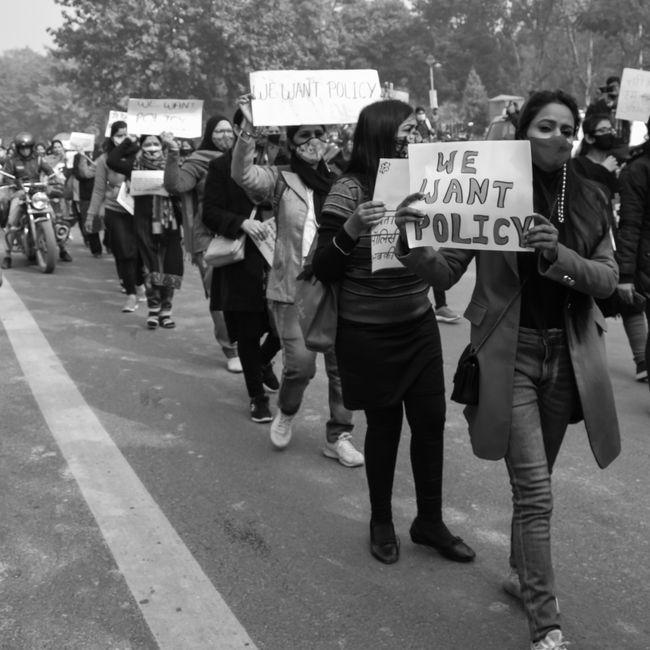
Stock photo for illustration only, not from the actual event
- BBC is the first media organization to access Rawalakot and speak directly with protesters.
- Demonstrations led by JAAC center on electricity prices, education, and healthcare rights.
- A local makeshift clinic has treated roughly 50 to 60 critically injured patients since July 27.
- Authorities claim protesters are armed and disruptive, while demonstrators accuse security forces of indiscriminate firing.
Dr Anwar's makeshift clinic is situated not far from the main protest site in the city of Rawalakot, located within Pakistan-administered Kashmir (PAK). A spare bedroom functions as a medical supply storage area, while outside, a bed sits beneath a stretched red tarpaulin. Lying across that bed is Shafqat Hussain, who has suffered a gunshot wound to the chest. The sheet beneath him is stained with the blood of previous casualties, and he is dying.
Over the course of the past two months, dozens of individuals have lost their lives across the region amid violent confrontations between security officials and protesters affiliated with the Joint Awami Action Committee (JAAC). Home to approximately 4.5 million residents, the region is currently holding elections. The BBC has become the initial media organization granted access to Rawalakot to interview those directly affected at the epicenter of the unrest.
Dr Anwar—whose identity, like many sources in this coverage, has been altered to safeguard contributors—shared with our reporting team that the facility maintains adequate supplies for basic first aid, such as halting bleeding, cleaning and bandaging wounds, and extracting superficial bullets. However, he emphasized that patients suffering severe trauma to the chest, abdomen, head, or other vital organs urgently require advanced hospital facilities. Anwar further noted that even major medical centers would face immense strain if an influx of such critical patients arrived simultaneously.
Since July 27, the clinic has administered care to approximately 50 to 60 critically injured patients, according to the doctor, who added that he personally treated 15 to 20 individuals suffering from gunshot wounds. Protesters remain intensely fearful of seeking treatment at the main hospital due to imminent apprehensions of arrest or gunfire, though local authorities have dismissed these claims as inaccurate.
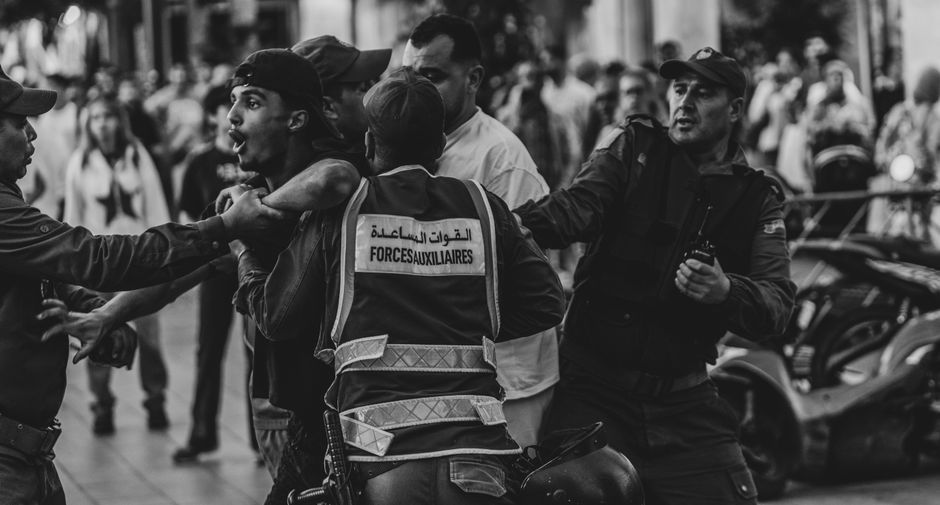
Stock photo for illustration only, not from the actual event
Representatives of the JAAC state that the ongoing demonstrations fundamentally concern their basic rights, encompassing pressing issues such as inflated electricity tariffs, educational standards, and healthcare accessibility. An official agreement previously signed with both the Pakistani and PAK governments back in October was designed to address these concerns, yet the JAAC asserts it has yet to be implemented. Conversely, the local government disputes this narrative, contending that the faction is armed and seeking to disrupt the ongoing electoral process, refusing to allow demonstrators to march toward the regional capital of Muzaffarabad.
"He knew there were risks, but he believed standing up for justice was important. He used to say that dying for a just cause was an honour."
Asma (Mother of the deceased)
The JAAC was officially banned in June and labeled as a foreign-funded terrorist organization, a characterization the group firmly rejects. They maintain that their movement is peaceful and, despite receiving financial backing from the overseas PAK diaspora, they receive no sponsorship from India. Rather than instigating violence, they present themselves as victims of aggression, alleging that Pakistan's security forces have opened fire directly upon them. With internet services severed and roadways barricaded or heavily guarded, gathering verified information has presented severe logistical hurdles.
Contextual Analysis: Pakistan-administered Kashmir has long experienced delicate socio-political dynamics, where economic grievances frequently intersect with regional autonomy debates. Escalations during electoral periods often highlight deep-seated public frustrations regarding governance, administrative transparency, and the distribution of basic public services.
Upon entering the municipality, the BBC engaged with multiple families reporting the tragic loss of loved ones shot during the demonstrations. Asma recounted being present at the protest when she received the news that her only son had been struck by gunfire. She expressed that while he understood the inherent dangers, he maintained a firm conviction that fighting for justice was paramount, often describing mortality for a righteous cause as a profound honor. Meanwhile, Ayub, a former member of the armed forces who also lost his son, refrained from blaming the central Pakistan government or military, instead directing responsibility toward the PAK regional administration for deploying paramilitary personnel.
The PAK government has formally rejected allegations that security forces fired indiscriminately upon peaceful demonstrators, maintaining that law enforcement acted strictly against individuals engaged in attacks against personnel, threats to public safety, or obstructions of lawful authority. The BBC independently witnessed severe food shortages, with demonstrators sharing scant provisions among themselves while most commercial storefronts remained shuttered, and individuals recounting attempts to smuggle sacks of rice via motorcycle transport.
Source: BBC World
Found something wrong in this article? Report an issue with this article
Comments
Leave a Comment