

'You can't describe the loss' - the reality of bovine TB on farmers
Northern Ireland farmers face emotional tolls and soaring costs from bovine TB as a major government consultation explores wildlife interventions.
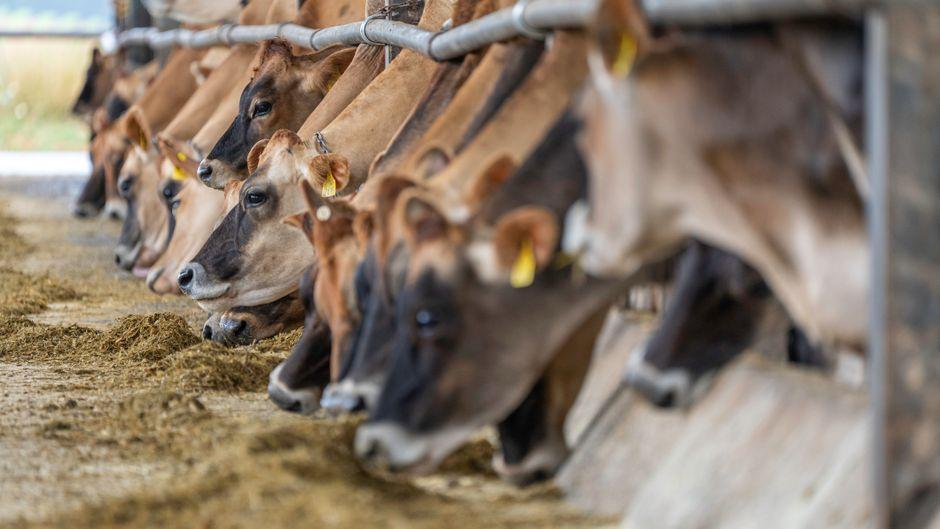
Stock photo for illustration only, not from the actual event
- Bovine TB (bTB) creates both deep emotional and heavy financial impacts on farmers.
- A 12-week government consultation explores options for managing wild badgers.
- Dealing with the disease is projected to exceed £70m this year, mostly in compensation.
- Farmers liken losing cattle to bTB to losing a vital part of their family.
The profound toll that bovine TB (bTB) takes on farmers stretches far beyond balance sheets, touching deep emotional nerves across rural communities. Breeder Rachel Leader, speaking at the Clogher Valley Show in County Tyrone, emphasized that losing cattle deals a devastating blow to entire families. Recalling an incident where one of her heifers was taken away 18 months ago, she noted that the animal ultimately tested clear of the disease.
To address the ongoing crisis, Northern Ireland's agriculture, environment and rural affairs minister, Andrew Muir, launched a 12-week consultation in early July. The initiative seeks public views on wildlife interventions, exploring strategies such as badger culling, testing and vaccination, or removal. This process stems from the Blueprint for Bovine TB Eradication, which was formulated following a strategy review delivered in 2024.
Wildlife interventions specifically target badgers, which are recognized as primary carriers and spreaders of bTB. The ongoing consultation outlines three distinct paths: non-selective culling by trained marksmen, a Test and Vaccinate or Remove (TVR) approach involving selective trapping and vaccination of healthy badgers, and vaccination-only programs within designated zones. Culling practices have previously been utilized in England and the Republic of Ireland.
"You can't describe the loss"
Rachel Leader
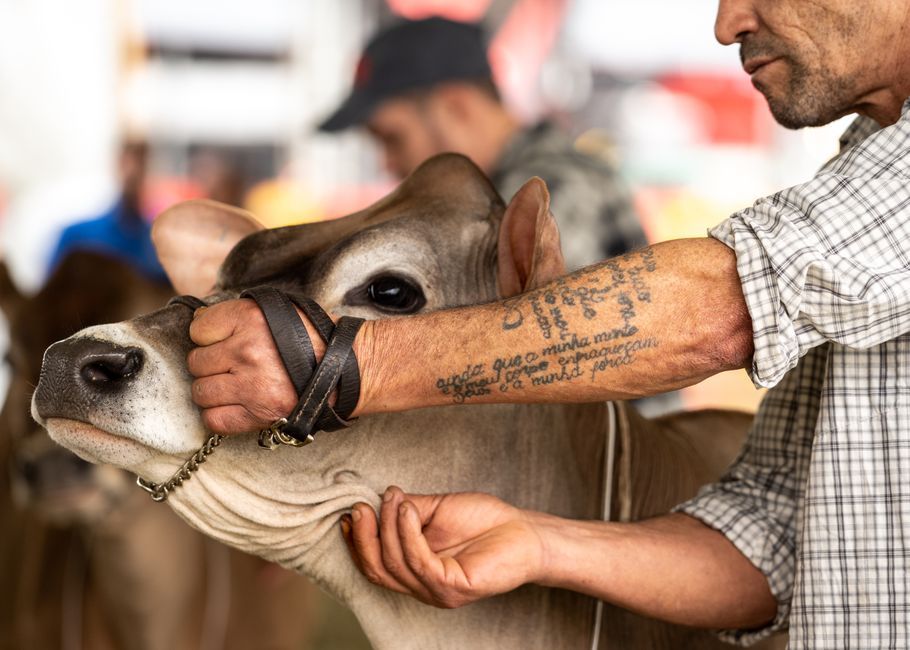
Stock photo for illustration only, not from the actual event
Financial burdens continue to mount, with total costs expected to exceed £70m this year. More than three-quarters of that figure—approximately £54m—accounts for compensation paid directly to farmers based on full market values. Although Daera previously explored reducing compensation payouts, local farming representatives made it clear they were prepared to take legal action to contest such proposals.
Managing bovine tuberculosis highlights the delicate intersection between agricultural economics, animal welfare, and wildlife conservation. Because badgers act as natural wildlife reservoirs for the bacteria, policymakers face complex hurdles in balancing disease eradication targets with ecological preservation and the livelihoods of rural livestock producers.
Robert Miller, reflecting on his first encounter with bTB in 35 years of farming, described how he was grounded during a peak trading period, unable to sell prized cows and calves. With the public consultation remaining open until September 25, the agricultural sector watches closely for decisions that will shape the future of livestock management in the region.
Source: BBC Science & Environment
Found something wrong in this article? Report an issue with this article
Comments
Leave a Comment