

Base Power raises another $1B to save the grid using backyard batteries
Energy startup Base Power closes a Series D round, pushing its valuation to $13 billion as it deploys residential backyard batteries to stabilize the power grid.
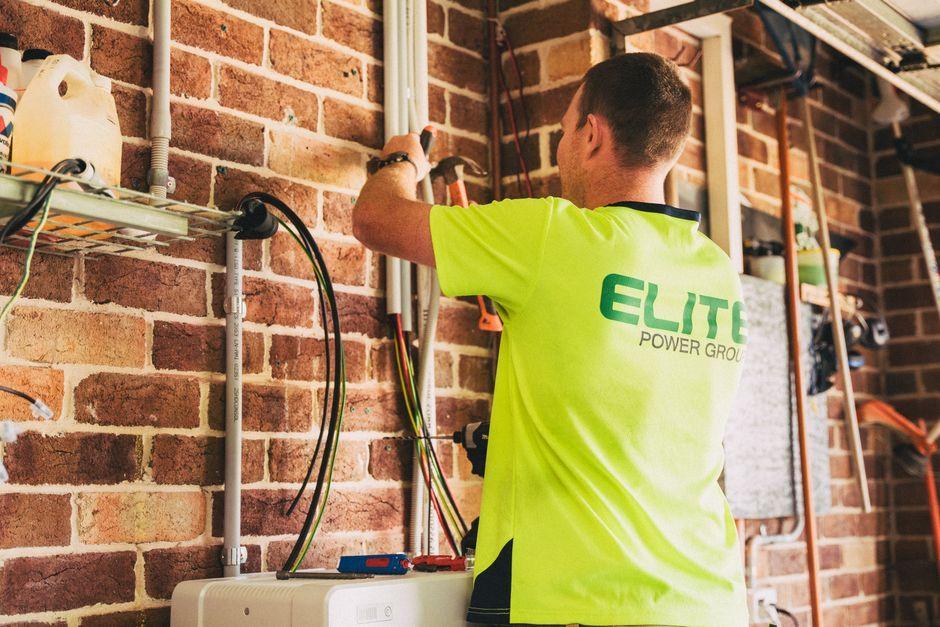
Stock photo for illustration only, not from the actual event
- Base Power secured $1 billion in a Series D funding round, bringing its valuation to $13 billion
- The company is installing about 100 batteries per day and debuted its new Base Core hardware
- It operates on a subscription model, charging $695 for installation and $19 monthly in the Houston area
- Growth is fueled by skyrocketing electricity demand from economy-wide electrification and AI data centers
While most energy storage companies search for large tracts of land near major grid interconnection points, Base Power is betting that it can outperform them all by placing batteries directly in people’s backyards instead.
That strategy appears to be paying off as the startup has installed more than 500 megawatt-hours of storage over the past few years. The company announced today that it has raised another $1 billion less than a year after its previous billion-dollar round. This Series D values the firm at a $13 billion post-money valuation. According to a report by The Wall Street Journal, Base Power is currently installing about 100 batteries per day and aims to double that rate by the end of the year, translating to roughly 8 megawatt-hours of daily installed storage.
Alongside the funding, Base Power rolled out a new iteration of its home battery called Base Core. Assembled at its Austin, Texas manufacturing facility, the unit is capable of storing 39.2 kilowatt-hours of electricity, giving it a significantly higher capacity than competing offerings. Customers have the option to install either one or two batteries. Base Power currently operates across Texas and Illinois.
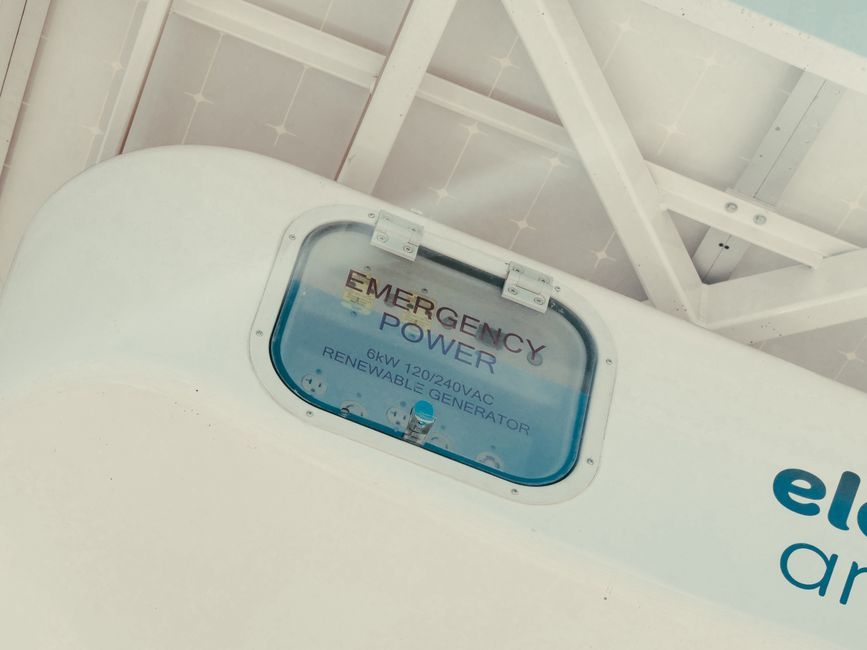
Stock photo for illustration only, not from the actual event
The new financing arrives as electricity demand surges due to broad economic electrification and the rapid expansion of AI data center construction. Over recent years, the U.S. electrical grid has expanded following decades of stagnation, and this surge in demand has created stress points in numerous locations, particularly within the PJM territory which hosts a high concentration of data centers. Portions of Illinois where Base Power operates fall directly inside PJM's service area.
Distributed energy storage networks, commonly referred to as Virtual Power Plants (VPPs), represent a paradigm shift in grid management. By aggregating residential batteries rather than relying exclusively on centralized infrastructure, companies can absorb demand spikes dynamically while providing reliable backup power to individual households during emergencies.
Unlike standard home battery installers that typically demand thousands of dollars upfront, Base Power distributes its devices through a subscription-based model. In the Houston market, for instance, the company charges customers $695 to install a single battery, a $19 monthly fee, and 13.1 cents per kilowatt-hour for electricity usage, matching prevailing local rates. Base Power retains ownership of the hardware and sells stored electricity back to the grid during peak demand windows, generating substantial returns.
In regulated markets, Base Power collaborates directly with utilities to position batteries inside residential properties to relieve strain on local infrastructure. Across both regulated and deregulated regions, homeowners utilize the batteries for continuous backup power during blackouts, with the nearly 40 kilowatt-hour capacity capable of powering a home for a full day or longer.
The financing round was led by Ribbit, Addition, Valor Equity Partners, and JPMorganChase’s Strategic Investment Group, with participation from Altimeter, D1 Capital Partners, Sands Capital, Coatue, Layer Global, Energy Impact Partners, Thrive Capital, a16z, Lightspeed, Trust Ventures, CapitalG, and others. Base Power was co-founded by CEO Zach Dell, while his father, Dell CEO Michael Dell, did not participate in the funding round.
Source: TechCrunch
Found something wrong in this article? Report an issue with this article
Comments
Leave a Comment