

Hotels Must Balance Comfort and Climate Goals As Guests Demand AC
European hotels face a dilemma as rising temperatures drive guest demand for air conditioning while strict EU efficiency standards and climate targets push back.
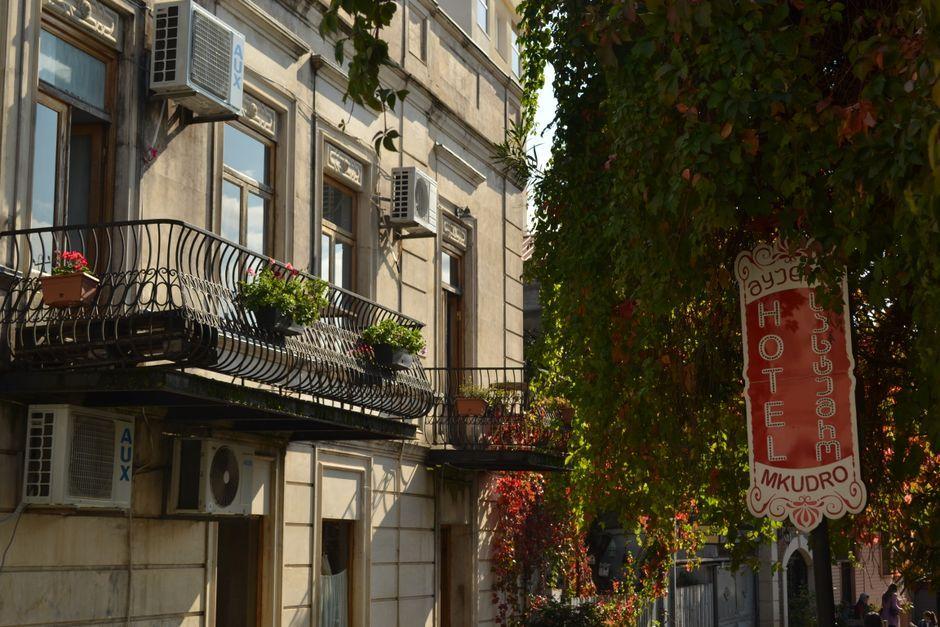
Stock photo for illustration only, not from the actual event
- Europe's AC penetration sits at roughly 20% compared to 90% in the U.S. and Japan
- Hotels must balance guest comfort and occupancy against strict EU energy regulations
- Smart HVAC systems and passive design are key to managing emissions and energy use
Oppressive heatwaves across Europe and viral social media posts by frustrated travelers mocking accommodations without air conditioning have intensified pressure on European short-term rentals and hotels.
While visitors from regions like the U.S. view climate control as a standard amenity, European operators find themselves caught between the urgent need to cool guests and their own long-term sustainability commitments and Net Zero targets.
According to Allianz, air conditioning penetration across Europe sits at approximately 20% compared to about 90% in the United States and Japan, positioning the world's fastest-warming continent as a prime target market for HVAC developers.
Furthermore, the International Energy Agency attributes a recent uptick in European Union energy use since 2024 in part to a sharp rise in cooling adoption, bringing regulatory frameworks like the EU Energy Performance of Buildings Directive into sharp focus for hotel investments.
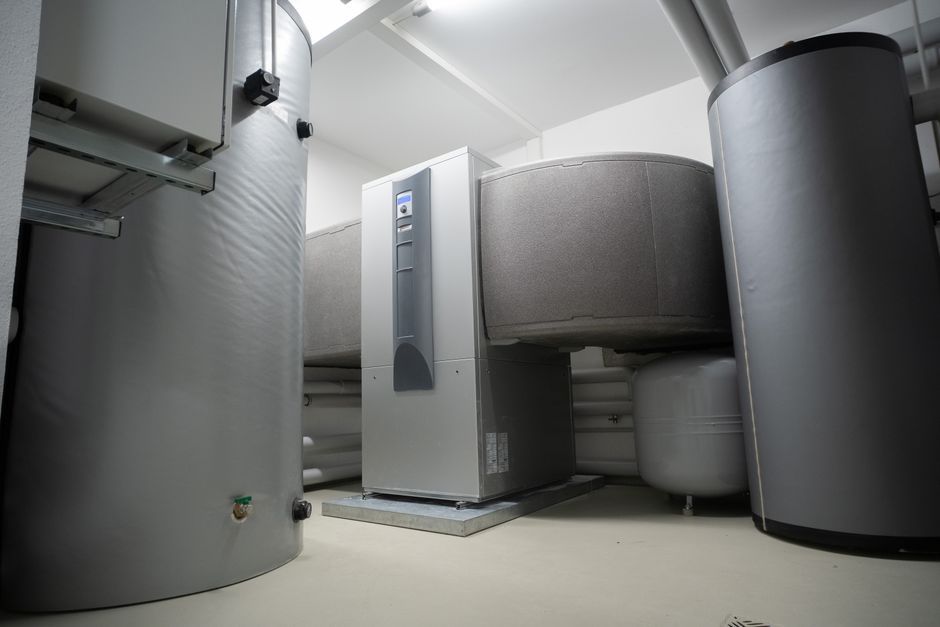
Stock photo for illustration only, not from the actual event
Historically, low AC penetration in Europe stemmed from milder climates, high electricity costs, and traditional architectural designs favoring natural ventilation. However, extreme climate shifts have rendered those historical baselines obsolete, transforming hotel cooling updates into comprehensive infrastructure overhauls rather than simple appliance installations.
Industry leaders such as Radisson along with HVAC innovators like Quilt are turning to hybrid solutions, combining passive design strategies like shading and better windows with renewable energy sources and smart HVAC controls that claim up to 22% utility savings through occupancy-based automation.
Source: Skift
Found something wrong in this article? Report an issue with this article
Comments
Leave a Comment