

Rhine Falls to Record Low Levels as Drought Strains Europe's Rivers
Key European rivers including the Rhine, Danube, and Po hit historic low water levels, heavily disrupting shipping, power plants, and agriculture.
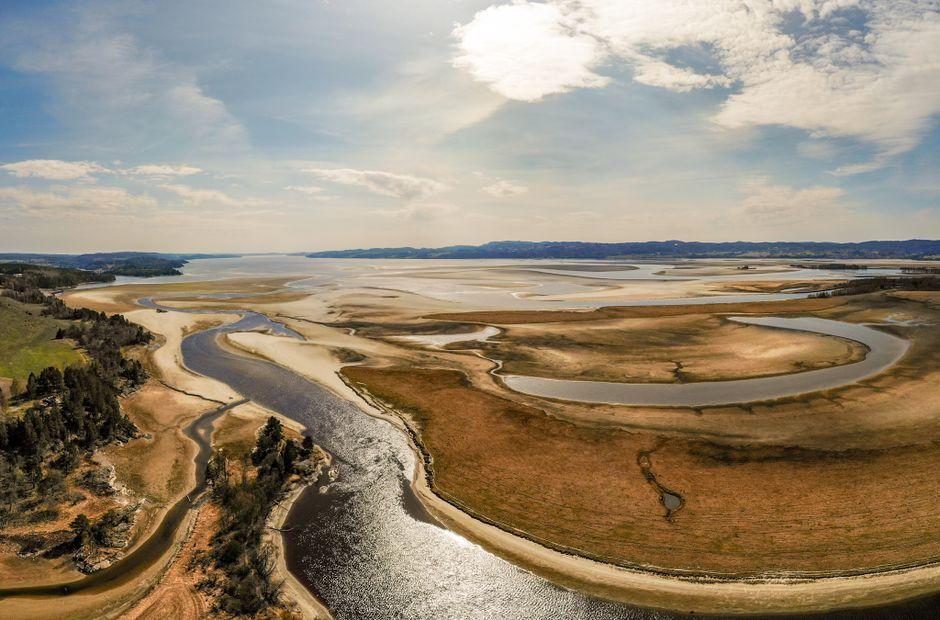
Stock photo for illustration only, not from the actual event
- The Rhine hits record lows in Germany and Netherlands since records began
- The Kaub gauge drops to 25cm, matching the historic 2018 low level
- Hungary faces nuclear plant shutdown threats and Romania blasts river rocks
- Human-driven climate change accelerates moisture evaporation and drought
The River Rhine has plunged to record low water levels across multiple locations in Germany and the Netherlands as prolonged heatwaves persist throughout Europe. Last week, measurements taken in Cologne in western Germany and in Lobith, where the Rhine crosses the border from Germany into the Netherlands, recorded levels lower than at any point since records began.
Other major European rivers serving vital transport, industrial, and agricultural roles have also plummeted to historic lows, including the Danube flowing through 10 countries and Italy's Po river. Drought conditions remained stable yet critical across most of Europe while worsening in central-western Europe during mid-July, according to data from the EU's Drought Observatories.
Renewed heatwave conditions are projected to continue for at least another week, pushing temperatures past 40C across many central and southern European countries. Meanwhile, Germany's Low Water Information System (NIWIS) reported that 44% of Rhine measuring stations and 78% of Danube stations registered extremely low water levels by the end of July.
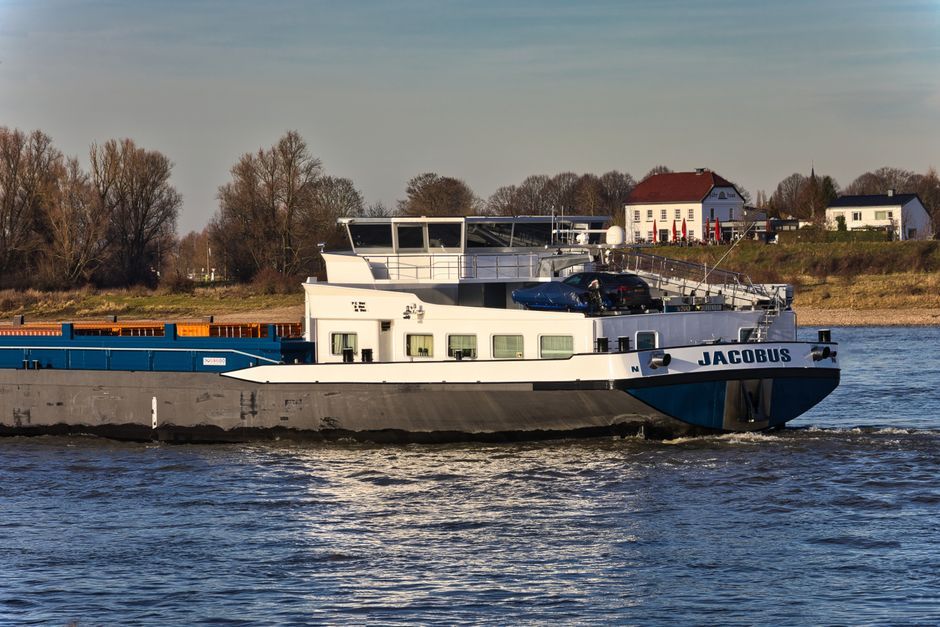
Stock photo for illustration only, not from the actual event
Originating in the Swiss Alps and emptying into the North Sea, the Rhine stands out as one of Europe's busiest waterways. Declining water levels have sparked severe economic anxieties regarding restricted navigation and shipping capacities. On Friday, the navigable water depth at the Kaub chokepoint near Koblenz touched the 2018 record low of 25cm before experiencing a slight recovery on Monday.
The Kaub gauging station in western Germany acts as a critical indicator for Rhine navigability by determining cargo vessel loading limits. Low measurements at this site can severely restrict inland shipping activities. Martin Wolters of the Rhine Waterways and Shipping Authority informed German outlet WDR that while shipping on the Rhine is unlikely to halt completely, precautionary measures such as distributing cargo across additional vessels to reduce individual weight will become necessary.
"There comes a time when loads are too small to be worthwhile or vessel owners are worried about damaging their ships,"
one commodity trader told Reuters.
This widespread river crisis highlights the vulnerability of European energy infrastructure and heavy industry during extreme weather events. Because major rivers double as fuel transport corridors and industrial cooling sources, low water levels force nuclear and thermal power stations to curtail operations. This dynamic risks triggering regional energy shortages precisely when summer heat drives electricity demands to peak levels.
Last week, Danube waters dropped to their lowest levels in 30 years across countries including Serbia and Romania, pushing Hungary's sole nuclear power plant close to a complete shutdown. The facility currently operates at reduced capacity while officials monitor whether it must be taken completely offline. The Danube drought is also causing severe disruptions to power generation across Serbia and Romania.
Serbia reduced output at its coal-fired power plants because water shortages crippled cooling systems, whereas Romania conducted a controlled explosion on a large rock on the Danube banks to boost water flow into the Cernavoda nuclear power plant. Additionally, two Romanian car plants operated by Dacia and Ford agreed to suspend production for over a fortnight to cut down electricity consumption.
Lower river discharge at the mouth of the Po has forced seawater upstream into the riverbed, disrupting local ecosystems and creating major obstacles for farmers relying on Po river water for crop irrigation. A recent study by World Weather Attribution scientists indicated no clear long-term trend toward decreasing rainfall across most of Europe, but researchers emphasized that human-induced climate change increases moisture evaporation through higher temperatures, thereby raising the likelihood of severe droughts.
Source: BBC Science & Environment
Found something wrong in this article? Report an issue with this article
Comments
Leave a Comment