

Transforming Waste and 200-Year-Old Ancient Wood into Innovative Furniture in New York
Furniture design works made from recycled materials and reclaimed wood from the Erie Canal are set to be exhibited at the Medina Triennial Hub in New York.
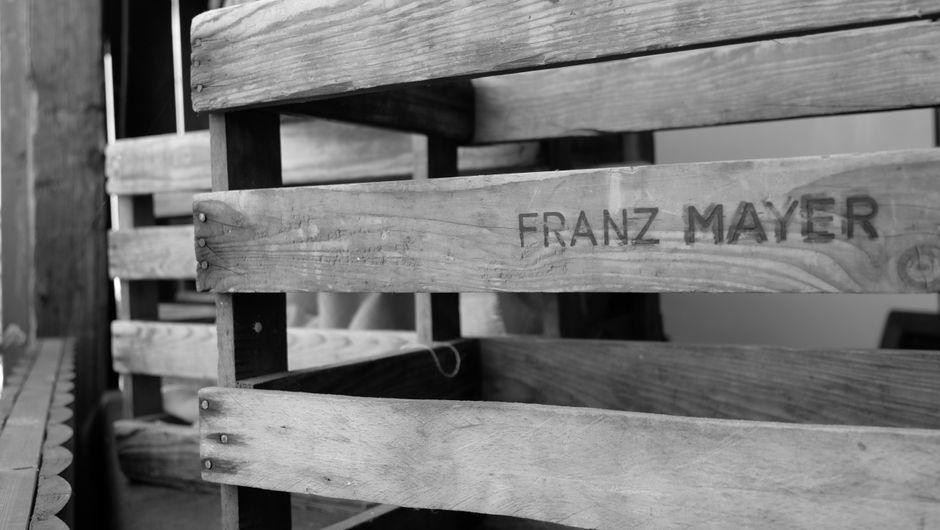
Stock photo for illustration only, not from the actual event
- Creative furniture works made from various types of leftover materials and waste
- The highlight is a 200-year-old, 17-foot-long, 850-pound ancient oak timber from the Erie Canal
- Designed by Serweta Peck for the Medina Triennial Hub center in New York
- Full exhibition scheduled from June to September 2026 before being auctioned or recycled
Design studio Serweta Peck has created an innovative collection of furniture and everyday objects using a wide variety of scrap and recycled materials for exhibition at the Medina Triennial Hub in New York State, which launched in September 2025 for community activities and is scheduled to fully open from June to September 2026 as part of the Medina Triennial international art event.
The recycled materials used in this project consist of discarded items from several sources, including:
- Recycled wine corks cast with hydro-cal
- Polystyrene insulation foam from architecture student model scraps
- Wood sawdust cast with bio-resin
- Empty plotter paper cores
- Compressed recycled corrugated cardboard
- Excess lumber
- Second-hand solid-core wooden doors
- Upcycled terracotta facade panels
- Discarded Umbra Oh chair legs rescued from a dumpster
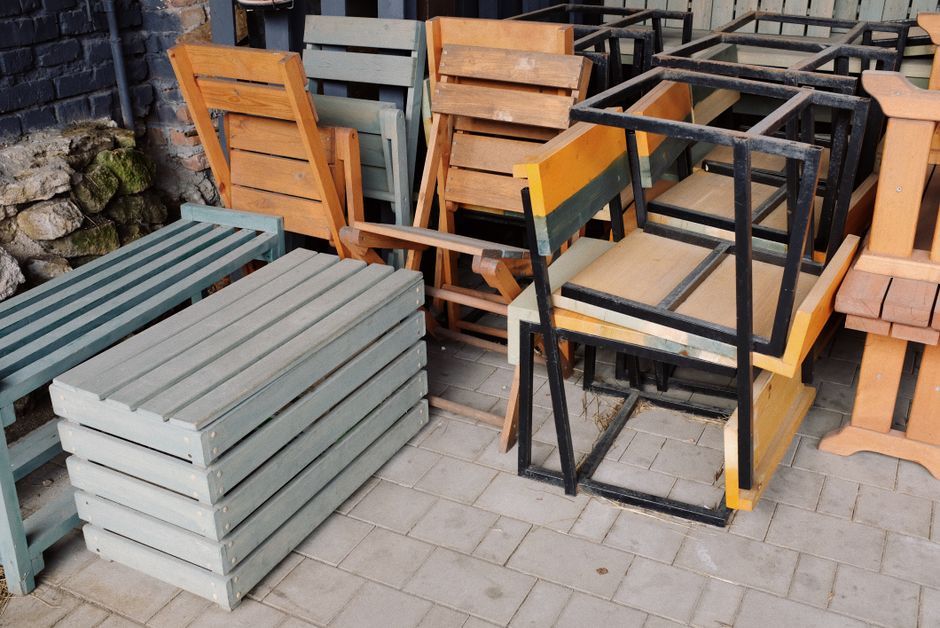
The standout feature of this project is the acquisition of seven 200-year-old historic oak timbers from NYPA, with each log measuring up to 17 feet long and weighing as much as 850 pounds. These woods were previously submerged underwater from the construction of the Erie Canal lock system and have been used to decorate the Welcome Bar area as well as other elements within the space.
The reuse of waste materials and historical wood in architecture and furniture design reflects the Circular Economy concept, which is gaining immense popularity in contemporary design circles. Choosing materials with historical backstories like the Erie Canal wood not only helps reduce waste volume but also seamlessly connects local engineering heritage with public art.

Following the conclusion of the Medina Triennial exhibition, these furniture pieces will be auctioned, sold, donated, passed on to other locations for continued use, or easily disassembled and responsibly recycled for the environment. This project has Serweta Peck as the responsible architect, with Medina Triennial 2026, the New York Power Authority, and the Canal Corporation as the three commissioning organizations, and all works photographed by photographer Douglas Levere.
Source: designboom
Found something wrong in this article? Report an issue with this article
Comments
Leave a Comment