

Hoshino’s Nara Prison Leans Into the Heritage in Japan
Hoshino Resorts transforms a 1908 Meiji-era prison into a 48-suite luxury property, making its historical past the core product.
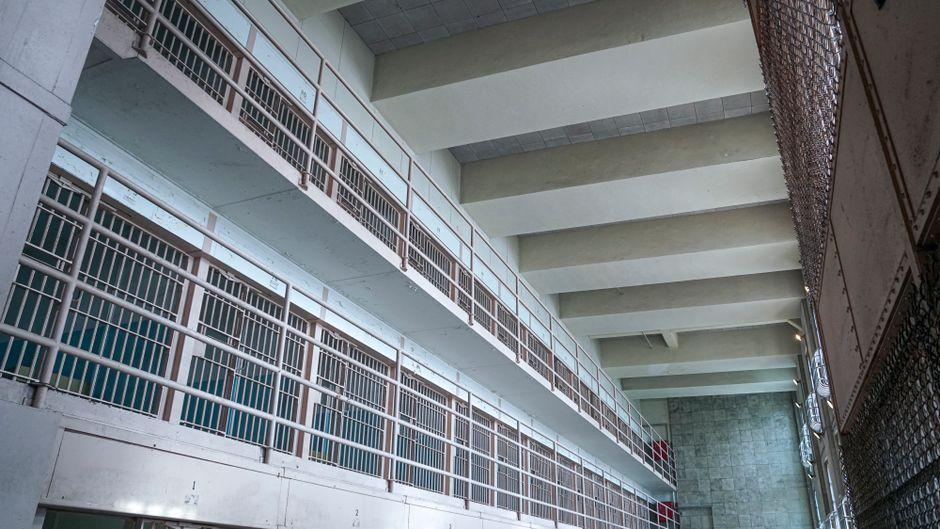
Stock photo for illustration only, not from the actual event
- Hoshino Resorts opens HOSHINOYA Nara Prison with 48 luxury suites in a Meiji-era prison.
- Uses a heritage concession model where the state owns the asset and private operators fund conservation.
- Aims to convert Nara from a day-trip market into an extended overnight destination.
When it comes to hotels converted from former prisons, the standard playbook usually involves covering up the history by changing names and masking the past. Famous examples worldwide have historically stripped away their carceral identities to create comfortable luxury accommodations for travelers.
Hoshino Resorts, however, has taken the completely opposite approach. On June 25, the operator opened HOSHINOYA Nara Prison, a 48-room, all-suite property inside a structure completed in 1908. Designed by Ministry of Justice architect Keijiro Yamashita after studying roughly 30 prisons across eight countries, the building is one of the Five Great Prisons of the Meiji era and the only one to survive largely intact as an Important Cultural Property.
With room rates starting at approximately ¥147,000 or around $900 per night before meals, Japan's disciplined luxury operator decided that the history itself should be the primary product. The property features an on-site public museum, preserved cellblocks, and specially designed accommodations like "The 11-Cell Deluxe," framing the experience around Japan's modernization rather than incarceration.
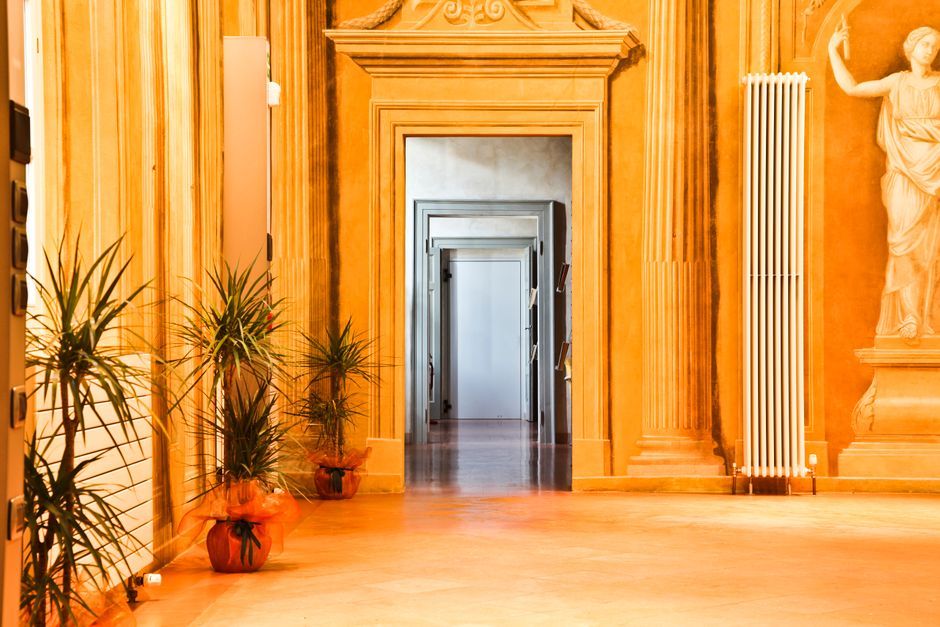
Stock photo for illustration only, not from the actual event
The most compelling aspect of the project lies in its business model: a heritage concession where the state retains asset ownership while a private operator restores, interprets, and monetizes the space, directing hospitality revenues straight back into ongoing conservation efforts.
This heritage-concession framework serves as a vital test case for Japan's vast and expensive inventory of civic architecture from the Meiji and Taisho eras. Because maintaining such historic public buildings is exceptionally costly for local governments, proving the financial viability of private luxury concessions could establish a scalable blueprint for preserving heritage structures across the country.
Beyond architectural preservation, the project acts as a strategic destination play designed to shift Nara from a heavy day-trip market—which recorded just 2.64 million overnight stays in 2023—into a multi-night destination, a momentum that will be further supported by the planned opening of HOSHINOYA Asuka in 2027.
Source: Skift
Found something wrong in this article? Report an issue with this article
Comments
Leave a Comment