

Tracing the Mold Evolution of Wat Rakang Phra Somdej Yai Amulet
Exploring the historical design evolution of Thailand's supreme amulet from Samฐานแซม to the masterpiece Phra Somdej Yai.

Stock photo for illustration only, not from the actual event
- The Than Saem mold was carved first using Phra Phuttha Sihing as a template
- Kes Buatum and Chedi molds were inspired by the Emerald Buddha
- Phra Somdej Yai blends ancient Buddhist art with Western perspective techniques
- Ajarn Prakit Limsakul categorized Phra Somdej Yai into 6 sub-molds
Behind the immense popularity of the Wat Rakang Phra Somdej Yai is its exquisite and harmonious mold design, earning it the title of the Emperor of Amulets. Historical analysis suggests that royal goldsmiths began by carving the Than Saem mold, using Phra Phuttha Sihing as the primary template alongside influences from Wat Ket Chaiyo amulets. Characterized by a diamond-like sitting posture and tall floating base, this group features abundant sacred ingredients and is divided into 4 sub-molds.
The evolution then progressed to the Kes Buatum and Chedi molds, meticulously carved using the Emerald Buddha as a model. These feature robust figures, with the Kes Buatum mold exhibiting high symmetry across 2 sub-molds, while the Chedi mold incorporates perspective techniques and is divided into 5 sub-molds, including the famous "Jae Jaew"องค์
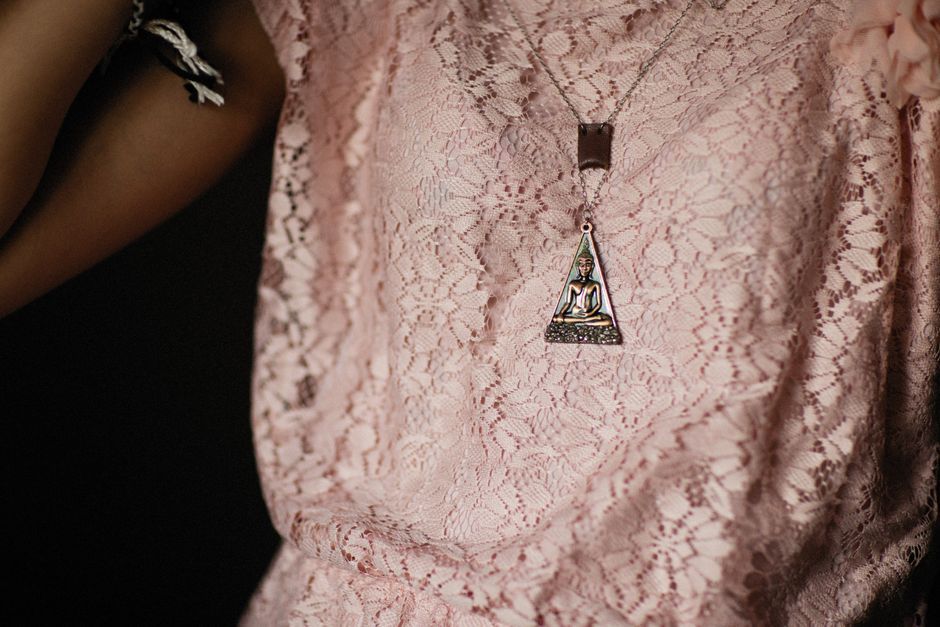
Stock photo for illustration only, not from the actual event
The integration of Western perspective techniques into traditional Thai Buddhist art during the Rattanakosin period represents a crucial milestone. It gave the Buddha images dynamic depth and realism rather than flat conventional proportions, demonstrating the open-minded innovation of royal artisans.
This progression culminated in the Phra Somdej Yai, the final official standard mold of Wat Rakang. It successfully merged Lanna, Sukhothai, and U-Thong artistic styles with modern geometric concepts, resulting in distinctive asymmetry where the Buddha image tilts slightly to the right and the left border line intersects the elbow.
"Despite the creation of multiple blocks, the artisans maintained strict adherence to the master drawing of the mold design."
The Science of Phra Somdej
Niran-nam classified the Wat Rakang Phra Somdej Yai into 4 primary types:
- Phra Prathan type
- Ok Wee type
- Ok Krajok type
- Ket Thalu Sum type
Ajarn Prakit Limsakul, or Phlai Chumphon, further divided the Yai mold into 6 sub-types following the guidelines of Triampavai: Khueang, Prong, Chalut, Pom, Santhat, and Yom. Phra Somdej Wat Rakang Yai remains the pinnacle of masterclass Thai craftsmanship.
Source: Thairath Lifestyle
Found something wrong in this article? Report an issue with this article
Comments
Leave a Comment