

Vegetables to get smaller and more expensive due to hot weather, farmers warn
England and Wales experience their driest July in 190 years, driving crop harvests down to historic lows and threatening supermarket food prices.
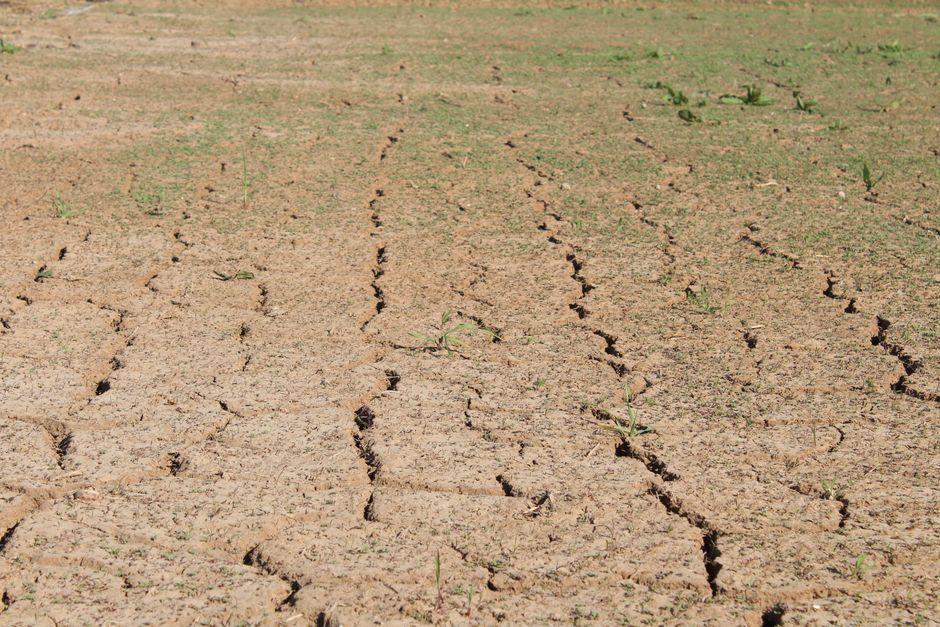
Stock photo for illustration only, not from the actual event
- England and Wales recorded their driest July in 190 years.
- Cereals and oilseed harvest projected to drop by 2.5 million tonnes.
- Farmers facing an estimated £390m in lost revenue.
- Consumers braced for smaller fresh produce at the same price.
England and Wales have experienced their driest July since records began 190 years ago, according to the Met Office, prompting widespread drought declarations across large parts of the country by the Environment Agency. The crisis has hit southern England particularly hard, where rainfall reached as low as 1% of the seasonal average.
The Energy and Climate Intelligence Unit (ECIU) thinktank reported that the UK's cereals and oilseed harvest could fall 2.5 million tonnes short of initial forecasts. Production of barley, oats, and rapeseed—vital ingredients for beer, breakfast cereals, vegetable oil, and livestock feed—is projected to plunge to just 19.5 million tonnes, marking the worst harvest since records began in 1984 and eclipsing the previous low of 19.8 million tonnes recorded in 2020.
Consumers are expected to feel the squeeze in the vegetable aisle as well. O'Malley noted that grocers are likely to substitute standard items with smaller produce while maintaining the same price tag, a retail tactic known as shrinkflation. Retailers are already being forced to source more products from abroad to compensate for domestic agricultural shortfalls.
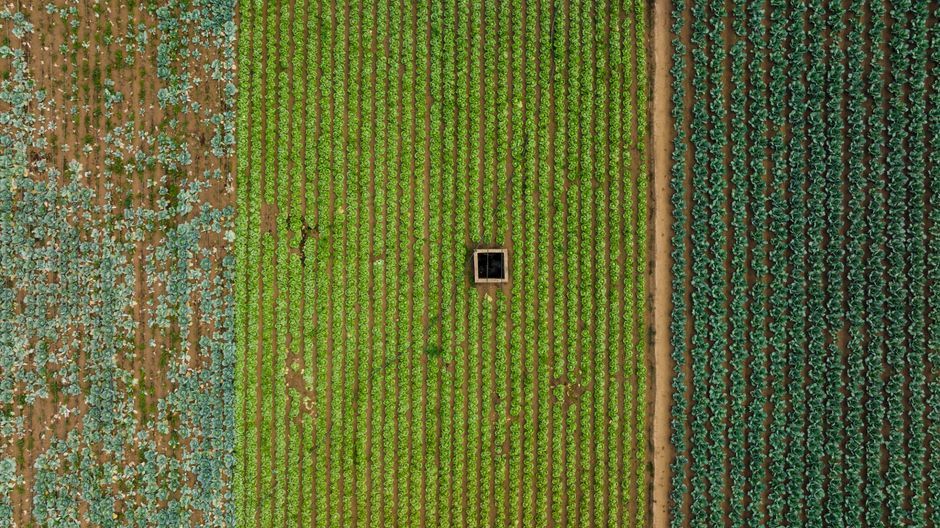
Stock photo for illustration only, not from the actual event
To keep crops and livestock hydrated through the summer, farmers have had to combine stored winter rainfall with water abstraction from groundwater and surface water sources like rivers and streams. However, significantly low rainfall and high temperatures have accelerated evaporation rates, severely depleting water availability.
"At the start of spring farmers were hopeful of a better year, but the dry April and July and record-breaking heat have left farmers facing down the barrel of a third awful harvest in a row."
Tom Lancaster
This agricultural crisis highlights how deeply exposed modern farming is to accelerating climate change. As severe heatwaves become more frequent and prolonged in the UK, farmers face mounting pressure regarding water scarcity and crop resilience. Ultimately, these compounding pressures on food production translate into higher operational costs and inflated grocery prices for everyday consumers.
Source: BBC Business
Found something wrong in this article? Report an issue with this article
Comments
Leave a Comment