

Shorts, strappy tops and sandals: Can my boss tell me what to wear in summer?
Navigating office dress codes during a summer heatwave is a tricky task. Employment lawyers and stylists share insights on staying cool without breaking workplace rules.
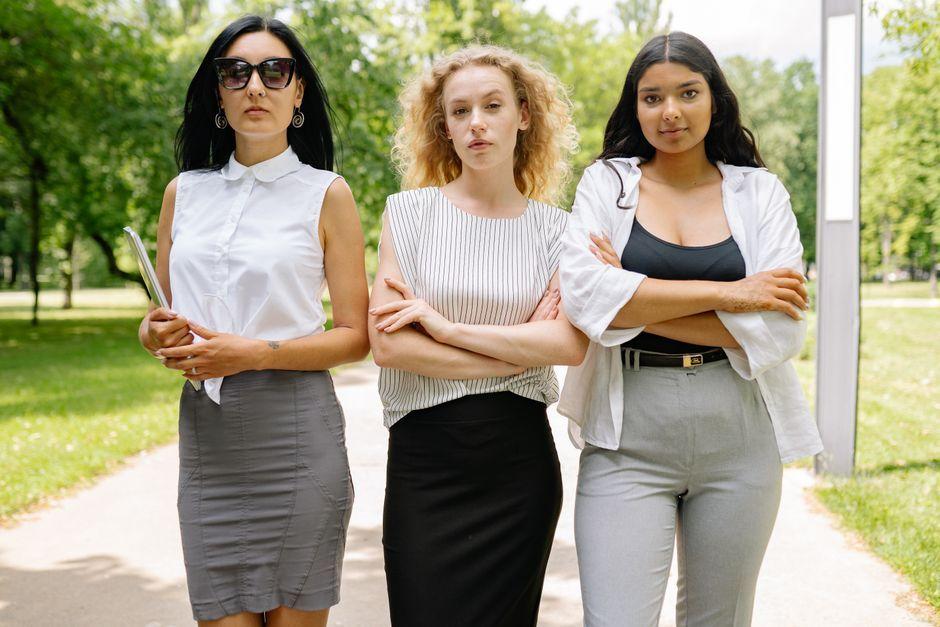
Stock photo for illustration only, not from the actual event
- Ipsos poll shows 62% of adults find men in shorts acceptable at work
- Stylists recommend tailored, knee-length shorts for a professional look
- Office dress codes must remain reasonable and flexible during extreme heat
- Employees should consult HR or managers if workplace rules feel rigid
As another summer heatwave approaches, making commutes sweaty and workplaces stuffy, deciding what to wear to the office becomes a surprisingly challenging dilemma. While shorts, strappy tops, and sandals offer relief from the heat, employees often worry whether these items cross the line into being too casual, revealing, or unprofessional.
This debate has even sparked a bare-legged backlash in Tokyo, where officials encouraged men to swap traditional suits for work shorts, resulting in complaints about hairy legs in the office. Public opinion, however, remains fairly progressive; a recent market research poll by Ipsos revealed that 62% of adults believe it is acceptable for men to wear shorts in hot weather, with 63% expressing the same view for women.
Despite the poll results, fashion experts and stylists caution that shorts are arguably the trickiest item to style professionally. Stylist Clare Chambers recommends tailored, chino-style shorts that sit around the kneecap, paired with a crisp shirt or lightweight blazer. When it comes to footwear, refined leather sandals can pass the office test as long as they are clean and clearly part of a well-considered outfit rather than pool-side flip-flops.

Stock photo for illustration only, not from the actual event
Office dress codes are historically tied to professional standards and company branding, but extreme weather events driven by climate change are forcing human resources departments to rethink traditional policies. Balancing employee comfort, health safety, and corporate presentation has become a critical operational challenge for modern employers.
When it comes to bare shoulders, the Ipsos poll found that 40% of adults consider tank tops acceptable for women at work, compared to just 24% for men. Natasia, a teacher in London, recalled how she and her colleagues were frequently reprimanded for their summer outfits at a previous school. Stylists suggest that while strappy tops or camisoles can work underneath a linen overshirt or tailored jacket, bandeau tops should be avoided entirely because constantly adjusting them projects a lack of confidence.
Ultimately, employment lawyer Sarah Tahamtani points out that while employers have the legal right to set dress codes for safety or branding reasons, those rules must be reasonable, proportionate, and adaptable during extreme heatwaves. Employees who feel restricted should raise their concerns constructively with management or HR to find practical solutions.
Source: BBC Business
Found something wrong in this article? Report an issue with this article
Comments
Leave a Comment