

Odesa Ports Crippled as Russia Steps Up Deadly Black Sea Strikes
Russian military escalates attacks on Ukrainian ports and cargo ships, leaving maritime trade paralyzed and waters extremely dangerous.
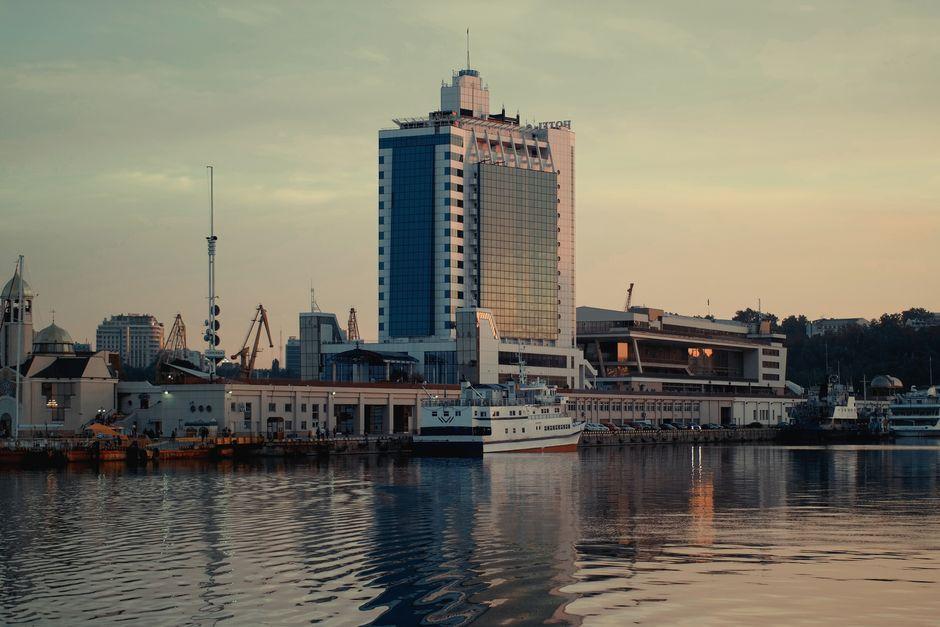
Stock photo for illustration only, not from the actual event
- Russia intensifies attacks on Black Sea port infrastructure and merchant vessels.
- July recorded 57 attacks on civilian vessels and 67 strikes on port facilities.
- Major ports like Odesa, Chornomorsk, and Pivdennyi stand largely devoid of ships.
- Safety risks disrupt Ukraine's vital grain export supply chain and agricultural economy.
Svitlana Halchenko vividly remembers the Russian ballistic missile that struck her workplace in Odesa, killing her colleagues instantly. Surviving with a limp and shrapnel still embedded in her leg and back, Svitlana remains determined to work, though her usually bustling port workplace has grown eerily silent following the tragedy.
Moscow is sharply escalating efforts to choke off Ukraine's commercial maritime links to the global market, launching relentless strikes all along the Black Sea coastline. Evidence is visible everywhere, from ruined port infrastructure to listing cargo ships with blackened bridges and smouldering containers. The approaches to major Ukrainian ports like Odesa, Chornomorsk, and Pivdennyi now stand almost completely empty of ships.
The past few weeks have marked the most destructive period since the war began. According to Ukraine's port administration, July saw 57 Russian attacks on civilian vessels, including 22 at sea, alongside 67 hits on port infrastructure, representing an unprecedented wave of violence against commercial shipping.
"My crane operator, my partner, died five metres from me… The driver remained in the cabin. He also died."
Svitlana Halchenko, Odesa port worker
The danger reached international cargo vessels on July 19 when the Turkish-owned cargo ship Golden Leo was hit by three Russian missiles, killing nine Indian and Syrian crew members and a Ukrainian pilot. The vessel, laden with Ukrainian corn, sank off Odesa a week later. Global shipping publication Lloyd's List noted that the Black Sea has transformed into the world's most dangerous shipping lane, with July marking the deadliest month for merchant seamen.
Oleg Grygoriuk, Chairman of the Marine Transport Workers Union of Ukraine, stated that members are suffering immensely due to Odesa's proximity to Russian-occupied territory, leaving workers with virtually no time to react. During a rare site visit, hundreds of metres of berths sat empty with towering gantry cranes standing idle as a skeleton crew handled basic maintenance.
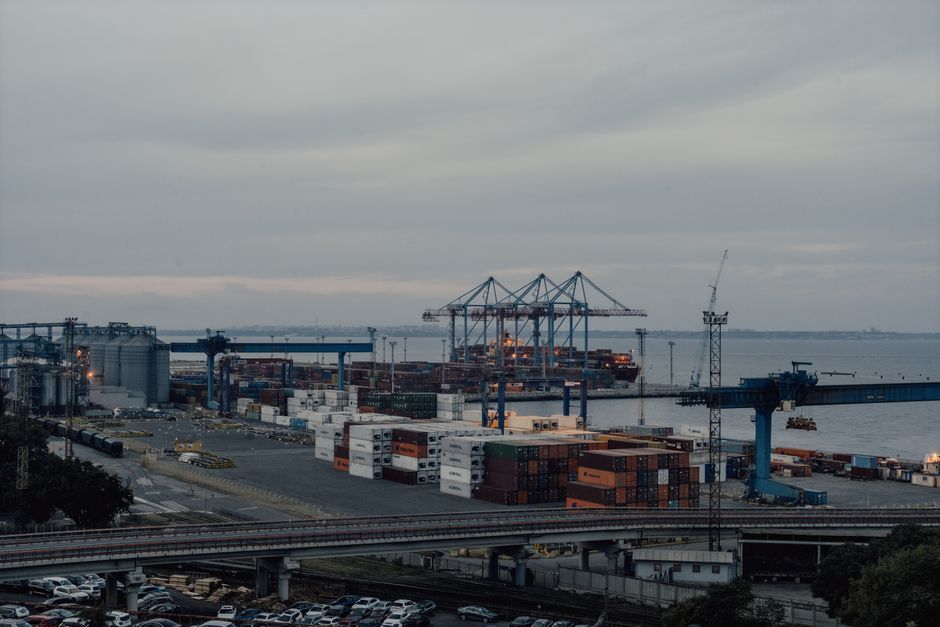
Stock photo for illustration only, not from the actual event
Targeting commercial shipping lanes in the Black Sea serves as a strategic move by Russia to sever Ukraine's economic lifeline. Agricultural exports, particularly grain and corn, form the backbone of the country's revenue. When vital ports face constant bombardment, skyrocketing maritime insurance rates and extreme safety hazards force shipowners to abandon the routes, directly threatening global food security and the financial stability of Ukrainian farmers.
Andrey Stavnitser, co-owner and CEO of a major local port, explained that Russia's systematic actions appear to retaliate against successful Ukrainian counter-attacks on Russian shipping. Although ports remain technically open, the immense risks have caused supply chains to freeze as few shipowners are willing to brave the deadly conditions.
This crisis arrives at the worst possible time as Ukraine's summer grain harvest gets underway, requiring swift exports to fund the next production cycle. Reports indicate export capacity has dropped by at least a third since the full-scale invasion, contrasting sharply with last year when Greater Odesa ports handled over 73 million tonnes of maritime exports, including 38 million tonnes of grain.
Away from the port, Odesa's summer tourism scene displays a defiant contrast with packed beaches and buskers performing on the famous Potemkin Stairs, though distant explosions and air raid sirens constantly remind visitors of the ongoing conflict.
Source: BBC World
Found something wrong in this article? Report an issue with this article
Comments
Leave a Comment