

OpenAI says Apple’s own security practices undermine its trade secrets case
OpenAI argues in a court filing that Apple allowed employees to use personal iCloud accounts for work and failed to revoke access properly after departures.

Stock photo for illustration only, not from the actual event
- OpenAI fires back in trade secrets lawsuit, pointing out Apple's internal security flaws
- Filing reveals Apple allowed personal iCloud use and neglected post-departure access revocation
- Evidence shows an Apple manager remained logged into a defendant's personal iCloud after they left
- OpenAI claims the lawsuit is a tactic to slow down AI hardware competition rather than protect secrets
The legal battle between the two tech giants has intensified as OpenAI pushes back against Apple's trade secrets lawsuit, arguing that Apple's own internal security measures are full of holes and ultimately undermine its legal standing.
Back in July, Apple filed a complaint accusing OpenAI of orchestrating a scheme to acquire confidential hardware information from former Apple engineers. Earlier this week, Apple asked the court to expedite discovery, stating that its internal investigation suggests additional former employees might have participated in or witnessed the alleged theft.
From an analytical perspective, intellectual property lawsuits in the tech sector often double as strategic maneuvers against rising competitors. By highlighting Apple's internal security lapses, OpenAI is effectively shifting the burden of responsibility, forcing the court to examine whether Apple's own operational negligence created the very vulnerabilities it now calls theft.
In its recent motion, however, OpenAI counters that Apple routinely allowed staff members to use personal iCloud accounts for professional tasks and failed to properly revoke access permissions once those individuals left the company.
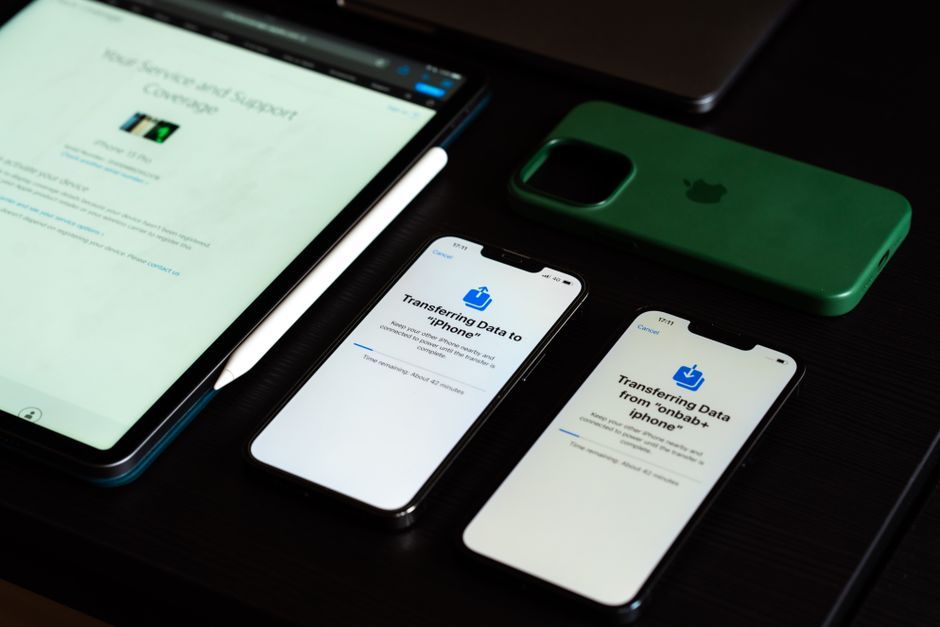
Stock photo for illustration only, not from the actual event
Furthermore, OpenAI submitted text message records demonstrating that an Apple manager remained logged into the personal iCloud account of defendant and former Apple engineer Chang Liu even after Liu's departure. The manager reportedly used this access to transfer files and later reached out to Liu for technical assistance regarding Apple projects.
OpenAI also accuses Apple of omitting the ramifications of its own inexplicable information-management practices from the initial complaint. The filing notes that Apple failed to adequately secure systems during employee departures, creating confusion and unauthorized access issues that the company is now mischaracterizing as theft.
Concluding its filing, OpenAI suggests that Apple is leveraging this lawsuit primarily to delay its competitor from innovating in AI-powered hardware, rather than dedicating resources to its own product roadmap.
Source: TechCrunch
Found something wrong in this article? Report an issue with this article
Comments
Leave a Comment