

Rivian sues US government to recover Trump tariff funds
Electric vehicle maker Rivian files a lawsuit in the US Court of International Trade to seek a refund of Trump-era import tariffs, along with interest and court fees.
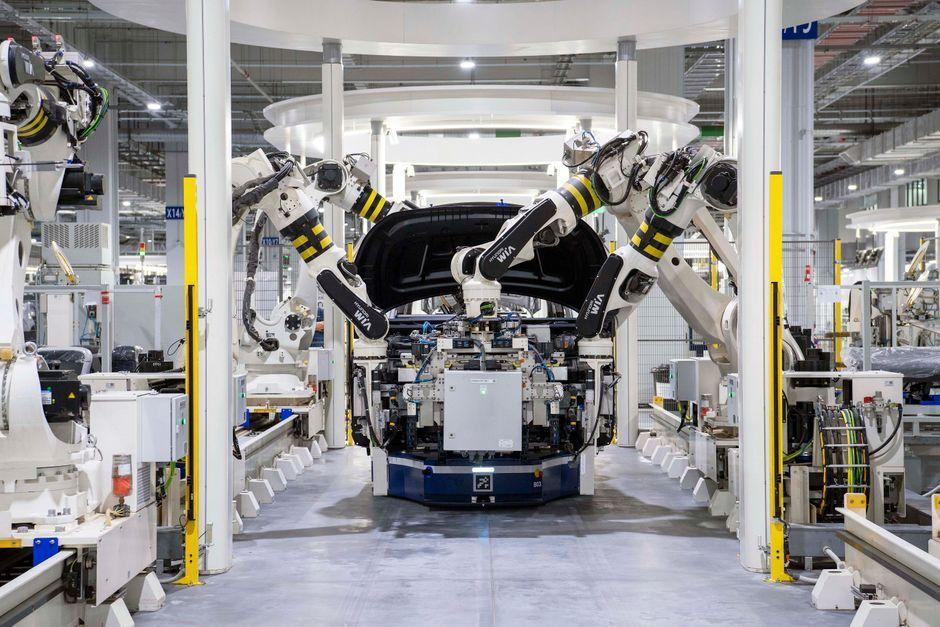
Stock photo for illustration only, not from the actual event
- Rivian files a lawsuit against the US government, Customs, and CBP Commissioner in the Court of International Trade
- CFO estimates the company could recover tens of millions of dollars
- The lawsuit comes amid a crucial period for the launch of the R2 SUV
- The company wants the court to declare the tariffs illegal and order a refund with interest
Electric vehicle maker Rivian has become the latest company to take legal action to recover funds from import tariff policies, filing a lawsuit in the US Court of International Trade last Thursday. The defendants include the US government, Customs and Border Protection (CBP), and Rodney Scott, the CBP Commissioner, as the agency collected import tariffs on behalf of the Trump administration under the International Emergency Economic Powers Act (IEEPA).
Back in April, Claire McDonough, Rivian's Chief Financial Officer (CFO), stated that she expected the company to be eligible for a refund in the range of "tens of millions of dollars." This legal move comes at a time when the company is rushing to launch its first mass-market electric SUV, the R2, aiming to deliver approximately 20,000 to 25,000 vehicles by the end of this year to help drive the company toward ultimate profitability.
Rivian's profitability targets may have to wait until 2028, as the company currently pours substantial funds into developing autonomous driving technology and recently sold shares to raise about $1.3 billion to boost liquidity in the meantime. In regulatory filings earlier this year, the company noted that retaliatory trade environments, restrictive measures, or trade barriers have caused damages and could impact its ability to source raw materials, components, and equipment, as well as affect the selling prices customers are willing to pay.
The lawsuit seeking a government tax refund by a major private corporation highlights the complexity and lingering impacts of past international trade tariff policies. Electric vehicle companies that rely heavily on global supply chains inevitably face cost pressures. The fact that Rivian must simultaneously race to raise capital and push sales of the R2 SUV makes tracking this tens-of-millions-dollar recovery case crucial to the company's long-term financial plan.
"Trade retaliation or additional trade restrictions and barriers have caused damages and could impact our ability to source raw materials, components, and equipment, as well as the selling prices we offer to customers."
Rivian
In the lawsuit, Rivian has demanded that the Court of International Trade declare the tariff collection unlawful, issue an order for a full refund with interest, and cover all associated court fees. Meanwhile, Customs and Border Protection (CBP) told TechCrunch in a statement that over $121 billion in potential and verified refunds have been accepted into the system for processing, though the agency declined to comment specifically on Rivian's lawsuit. Rivian did not immediately provide further comment when contacted.
Source: TechCrunch
Found something wrong in this article? Report an issue with this article
Comments
Leave a Comment