

Bamboo Pier Brings New Waterfront Hub to Fishermen in Pattani, Thailand
HAS design and research builds a bamboo pier along the Pattani River, blending local fishing routines with public space and river ecology.
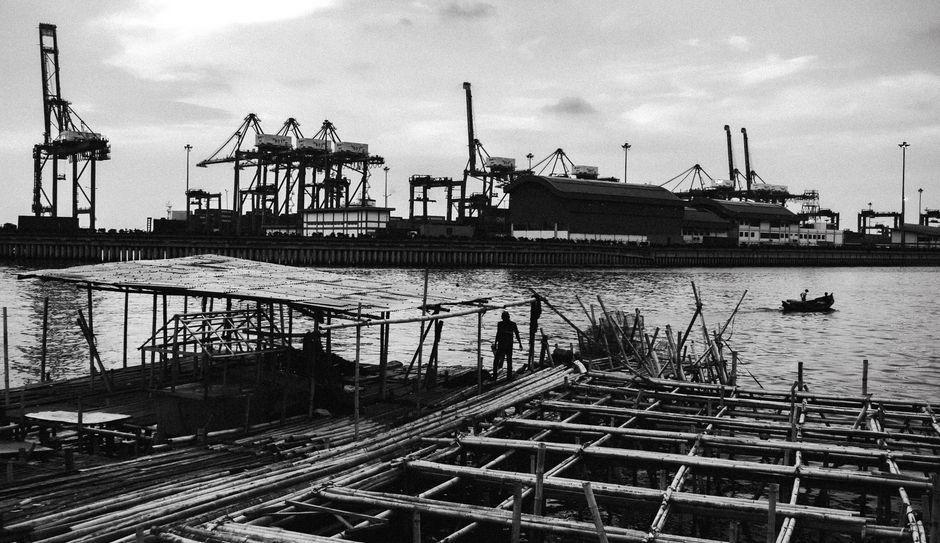
Stock photo for illustration only, not from the actual event
- HAS design and research constructed a bamboo pier along the Pattani River in southern Thailand.
- The steel-and-bamboo platform spans 148 square meters of public waterfront space.
- The architecture features natural habitats created for fish and aquatic organisms.
- The Sabarang community collaborated directly with the architects during construction.
Along the Pattani River in southern Thailand, HAS design and research has completed a bamboo pier tailored to the daily routines of local fishing communities and the surrounding river ecology. Located near the Malaysian border, Pattani possesses a distinct regional identity shaped by Muslim heritage and Malay-Thai histories, with the river serving as a historic lifeline linking the city to the sea.
Architects Jenchieh Hung and Kulthida Songkittipakdee examined regional fishing practices and river conditions to develop a structure where working areas and public access share the same footprint. Fishing boats can dock directly alongside the platform, while local families gain a dedicated gathering space near the water.
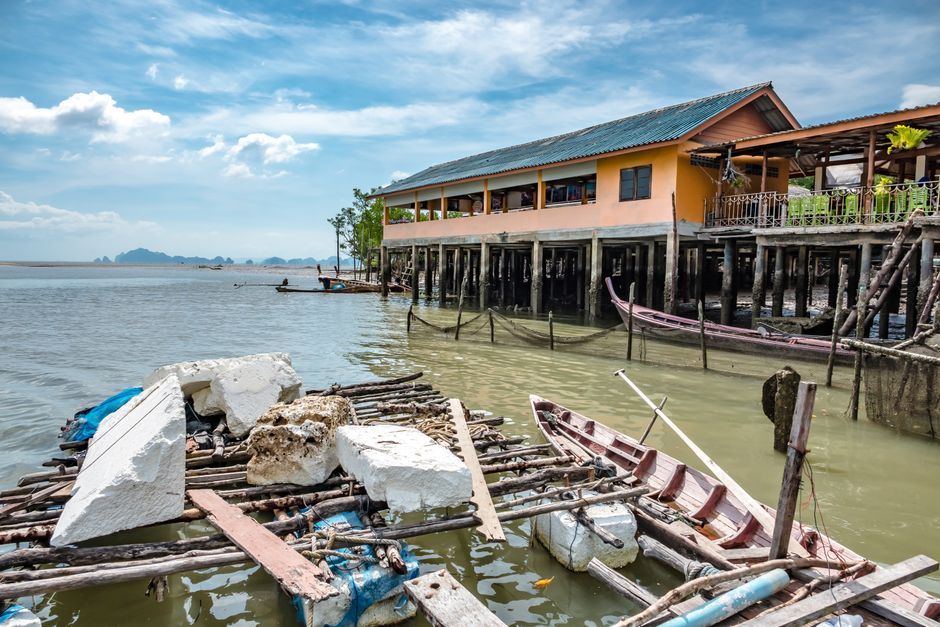
Stock photo for illustration only, not from the actual event
Elevated on a steel platform, the Pattani Fishermen Community Hub allows river currents and sediment to move freely underneath. Locally sourced bamboo forms the main structure, bringing renewable material into direct contact with the river. The architects treated the hollow sections of the bamboo with protective coatings while leaving surfaces exposed for algae and aquatic organisms to colonize.
Large openings cut into the platform maintain continuous visual contact with the water below. Submerged stones provide additional shelter, while bamboo elements near the waterline work together to support fish and shellfish populations alongside human activities.
"The architecture touches the river lightly, with much of its activity taking place through openings and shaded edges above the current."
HAS Design and Research
This project highlights how contemporary waterfront architecture can move beyond pure utility to actively participate in urban ecology and community life. By employing regional materials like bamboo and designing micro-habitats underneath the deck, the project demonstrates a sustainable approach to civic infrastructure in tropical river contexts.
From early morning operations unloading catches to afternoon swimming sessions and evening gatherings for local festivals like the annual long-boat racing, the pier functions seamlessly as both working infrastructure and a civic room for Pattani.
Source: designboom
Found something wrong in this article? Report an issue with this article
Comments
Leave a Comment