

Body Donation Restrictions 2026: Criteria and Conditions to Know
Check the list of disqualifying medical conditions and body donation rules for 2026, along with essential guidelines for donors and their families.

Stock photo for illustration only, not from the actual event
- Donors must be at least 20 years old and register independently.
- Infectious diseases like HIV, hepatitis, and active tuberculosis disqualify donation.
- Bodies must be intact, without autopsy or prior embalming.
- Family consent is mandatory as legal next-of-kin hold authority over funeral arrangements.
Registering in advance to donate one's body does not automatically guarantee that the hospital will accept the remains upon passing. Medical institutions must carefully evaluate the deceased's medical history and physical condition to ensure safety during anatomical studies and medical training. For 2026, several strict criteria and regulations apply to all potential donors.
The fundamental qualifications required for individuals wishing to donate their bodies include:
- Being at least 20 years old at the time of registration.
- Submitting the donation intent in person.
- Informing family members or legal heirs about the decision in advance.
- Requiring relatives to promptly notify the hospital upon the donor's passing to initiate procedures.
Even when a donor has registered formally, legal next-of-kin retain the ultimate authority over funeral arrangements under the law. Open communication with family members beforehand is therefore vital to ensure the donor's final wishes are successfully honored.
Body donation, often referred to as anatomical donation, serves as the cornerstone of education for medical students and healthcare professionals worldwide. Often called "silent teachers" by medical learners, these donors enable students to master human anatomy, surgical techniques, and pathological research with precision that textbooks or 3D simulations cannot replicate. Rigorous screening for infectious diseases is a critical safety measure to protect laboratory staff and students during dissection and study.
According to the Thai Red Cross Society, deceased individuals with specific infectious diseases that pose health risks to handlers cannot be accepted for educational purposes. Key disqualifying conditions include:
- HIV/AIDS infection
- Hepatitis B and Hepatitis C
- Active tuberculosis
- Rabies
- Severe communicable diseases capable of spreading
- Dangerous communicable diseases or emerging infectious diseases
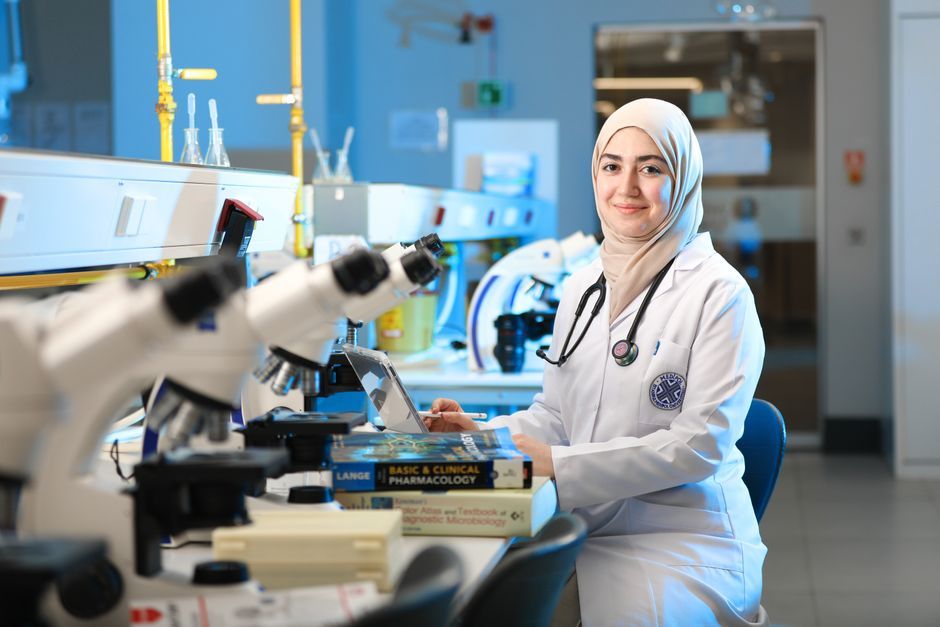
Stock photo for illustration only, not from the actual event
Regarding common chronic conditions such as hypertension, diabetes, or heart disease, acceptance depends on the discretion of the anatomy department at the time of death, evaluated based on whether the physical condition meets study requirements.
Beyond medical history, the physical condition of the body after death is another decisive factor. Hospitals may decline body donations under conditions such as:
- The body has undergone a post-mortem autopsy.
- Severe injuries or physical trauma have compromised body integrity.
- Decomposition has already begun before reaching the hospital.
- Embalming fluids or formalin have already been injected.
- Certain organ donations have altered the physical state, making it unsuitable for study.
Body donation represents a final, invaluable gift to Thailand's medical advancement. Before applying, potential donors should thoroughly review health restrictions and post-mortem limitations while ensuring family members are fully informed for a smooth process. For further inquiries, contact the Department of Anatomy, 11th Floor, Patthana Building, Chulalongkorn Hospital, at telephone numbers 02-256-4281 extension 1405 or 02-256-4751.
Source: Thairath Lifestyle
Found something wrong in this article? Report an issue with this article
Comments
Leave a Comment