

Why Do Cats Sleep on Thai Spirit Houses? Instincts, Not Disrespect
Discover 5 natural feline instincts that explain why outdoor spirit shrines become a cat favorite resting spot.
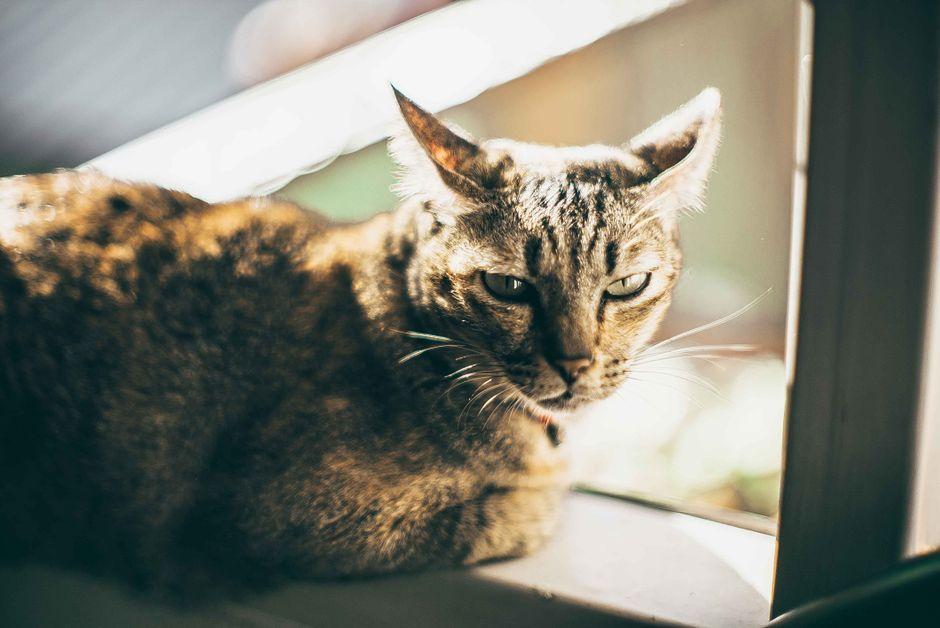
Stock photo for illustration only, not from the actual event
- Elevated heights give cats better visibility and a sense of security
- Spirit shrines provide steady shade and protection from hot concrete
- Quiet locations match a cat need for 12 to 18 hours of daily sleep
- Masonry materials retain comfortable temperatures for resting pets
Many cat owners are amused or startled to find their feline friends napping atop a traditional Thai spirit house, often wondering if it brings bad luck or disrespects local deities. In reality, this quirky behavior is driven purely by animal instinct. The first factor is a deep-seated love for elevated places, which allows cats to monitor their surroundings and spot potential threats from afar. Because spirit shrines are naturally built on raised platforms, they fit this biological preference perfectly.
Beyond height, spirit houses feature roofs and shade throughout the day, shielding animals from harsh sunlight and heavy rain. For stray cats searching for shelter, these raised platforms act as temporary resting spots where they can nap comfortably during midday without expending extra energy to find cover.
A cat sleeping habits are deeply rooted in survival traits inherited from wild ancestors. Even domesticated house cats retain the urge to seek vantage points that offer a clear field of vision while remaining hidden from predators. Spirit shrines coincidentally match all the physical requirements that trigger a cat sense of safety and relaxation.
Furthermore, cats require an immense amount of rest, averaging between 12 to 16 hours daily, with some individuals sleeping up to 18 hours. Spirit shrines are usually positioned in quiet corners or areas with minimal human foot traffic, providing the absolute peace and isolation that cats crave for uninterrupted rest.
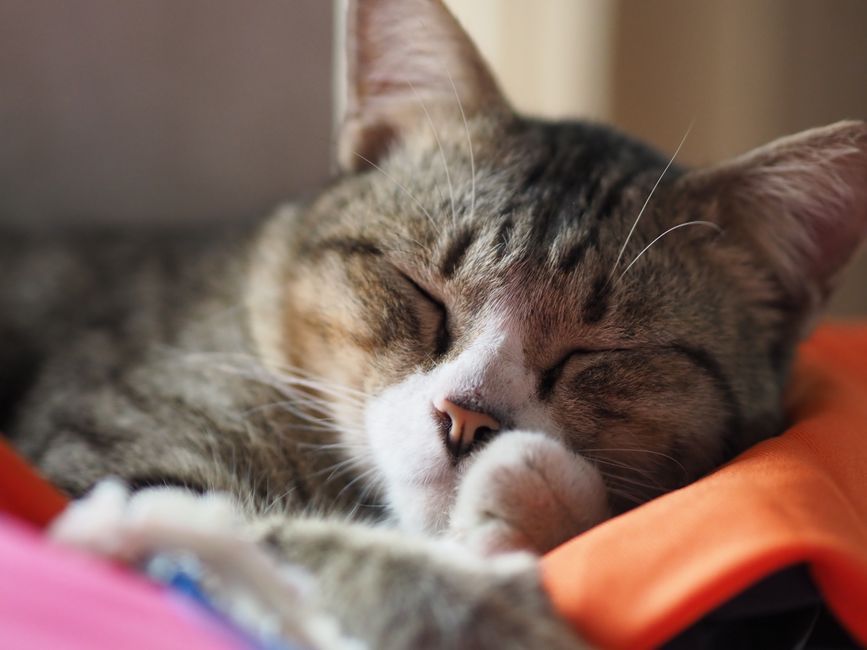
Stock photo for illustration only, not from the actual event
Another crucial element is the construction material. Spirit houses are typically built from concrete, stone, or marble, which hold stable temperatures remarkably well. The surfaces do not become overly hot or freezing cold, and cats are exceptionally skilled at detecting optimal thermal spots to keep their bodies comfortable.
The final reason involves food scents and human care. Spirit shrines often hold offerings of fruits, sweets, or drinks, and owners frequently clean the area or feed nearby animals around those spots. If a cat previously received food or kindness in that exact location, it will remember the area as a secure zone and return repeatedly.
Source: Thairath Lifestyle
Found something wrong in this article? Report an issue with this article
Comments
Leave a Comment