

How to Care for Children's Mental Health After Traumatic Events
Essential guidelines for parents on recognizing behavioral signs across age groups and helping children return to school safely.

Stock photo for illustration only, not from the actual event
- Children of different ages react uniquely, showing signs from separation anxiety to physical aches.
- Reactions during the first 2-4 weeks are natural coping mechanisms and not immediate disorders.
- Maintaining daily routines and offering concrete reassurances create a powerful sense of safety.
- Gradual return to school combined with teacher coordination helps ease school-related anxiety.
Violence in educational institutions impacts far beyond those directly present at the scene, heavily affecting numerous children who consume news coverage through screens, including students in nearby schools and nationwide.
When children experience traumatic events, their behavioral reactions vary across developmental stages and are rarely expressed through direct verbal communication, requiring adults to look closely for hidden warning signs.
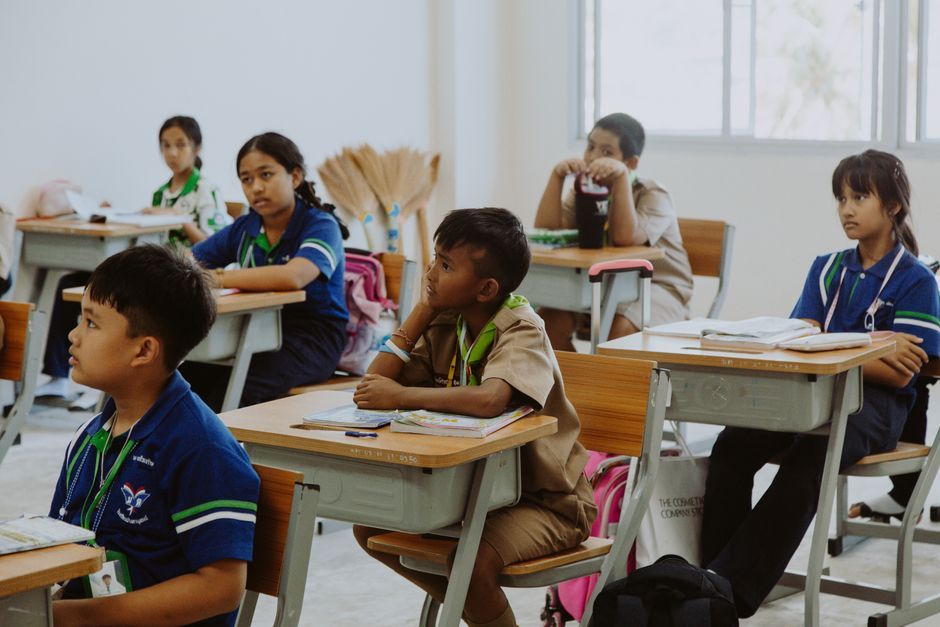
Stock photo for illustration only, not from the actual event
Recognizing the timeline of psychological responses is crucial. Emotional distress or shock occurring within the initial 2-4 weeks is a normal human self-defense mechanism against traumatic events. Caregivers should respond with patience and understanding rather than forcing children to normalize immediately.
Specific behavioral symptoms categorized by age groups include:
- Children under 6 years old: Often become more clingy toward parents, cry more easily, and develop a fear of being alone.
- Primary school children: Frequently manifest physical symptoms such as nightmares, unexplained headaches, stomachaches, and reduced concentration spans.
- Teenagers: Represent the hardest group to monitor, typically withdrawing, showing irritability, experiencing insomnia, and quietly rewatching news clips. Some may act completely unfazed, which often masks suppressed feelings.
Immediate steps caregivers can take include answering children's questions truthfully at an age-appropriate level, providing accurate and concise information without graphic details of violence, and strictly limiting exposure to news clips, particularly moving images and audio from the scene.
Furthermore, keeping daily routines as consistent as possible—such as wake-up times, meals, and bedtime—serves as a powerful signal of safety. Providing concrete reassurances regarding tangible matters is far more effective than making unprovoked promises about future safety.
Regarding school anxiety, allowing children to stay home offers temporary relief, but prolonged absence makes returning significantly more difficult. Experts recommend a gradual reintegration process:
- Bring children back to school step-by-step without coercion.
- Start by driving past the school, dropping them off at the front gate, staying for half a day, and eventually working up to full days.
- Communicate with homeroom teachers in advance to brief them on the situation and arrange safe zones like the nurse's office if needed.
- Clearly schedule pickup times and designate specific individuals to handle pick-up to minimize uncertainty.
If symptoms fail to improve after approximately one month and begin interfering with daily life, academics, eating, sleeping, or social interactions, consulting a child psychiatrist or psychologist is strongly advised. Children directly involved in the incident or who lost loved ones should receive professional evaluation from the very beginning.
Source: Thairath Lifestyle
Found something wrong in this article? Report an issue with this article
Comments
Leave a Comment