

A Deep Dive into 7 Tools for Managing Multiple AI Coding Agents Simultaneously in 2026
As running multiple AIs concurrently becomes the primary user bottleneck, we explore standout tools like Vibe Kanban, Conductor, Nimbalyst, and more to help organize your workflow.

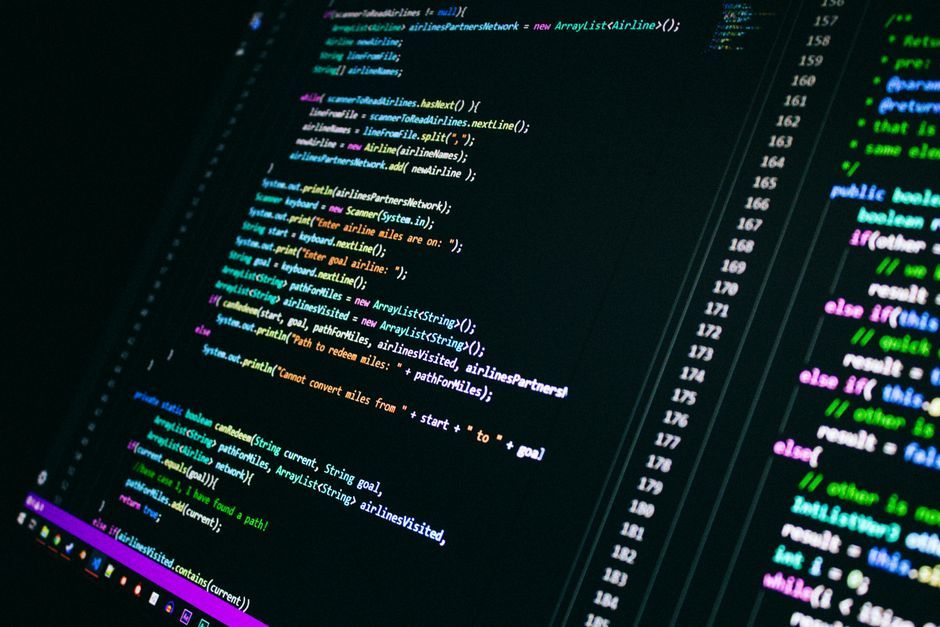
Stock photo for illustration only, not from the actual event
- Running multiple AI coding agents concurrently shifts the bottleneck from the models to the human operator.
- Agent management tools coordinate tasks, isolate workspaces, and review code changes.
- Tools range from Kanban boards and desktop apps to containerized systems.
Prompting a single coding agent is not particularly difficult, but workflow problems immediately become apparent when you need to run six agents at the same time. While artificial intelligence models work at high speeds, the bottleneck falls back onto the operator. As teams begin running multiple persistent sessions scattered across branches, code repositories, and various harnesses, the most frequent questions are which agent is stuck, which agent modified the wrong files, and which branch is safe for code merging.
AI coding agent management tools operate above the layer of core tools like Claude Code, Codex, Gemini CLI, and OpenCode, helping to coordinate the work surrounding them. This explains why the term "agent Kanban board" has become a popular search query, as users are not just looking for a better model, but rather a better surface area to control the workflow.
The transition from using a single AI to running parallel agents reflects how the software development lifecycle is moving toward an era where humans act as Agent Fleet Managers rather than writing every line of code themselves. Choosing the right management tool is crucial to prevent branch confusion and overlapping files.
We can summarize the key tools and agent management models for 2026 as follows:
- Vibe Kanban: A Kanban board focused on the planning and review cycle, keeping issues on the board, letting agents run in workspaces, and allowing diffs to be reviewed within a single interface. On June 1, 2026, it was announced that the company behind Vibe Kanban had shut down as of April 10, 2026, but the project continues as an open-source Apache-2.0 community-maintained project.
- Conductor: A macOS application that creates isolated workspaces for each agent, supporting both Claude Code and Codex, generating a separate Git worktree for each area with built-in diff viewers and an easy-to-use PR system. It is currently free to use with plans to charge for collaboration features in the future.
- Claude Squad: A terminal-centric tool utilizing tmux and git worktrees to isolate workspaces for each task, ideal for developers who prefer not to leave the terminal screen.
- Nimbalyst: An open-source visual workspace developed by the team to bring agents, sessions, tasks, and files together in one place, supporting both desktop and iOS apps with the core workflow available for free.
- Superset: An AI coding platform close to an IDE, offering a desktop app, CLI, and MCP server. Pricing starts free for single users, with a Pro tier at 15 dollars per user per month billed annually.
- Paneflow: A GPU-accelerated native terminal workspace specifically designed for those running multiple agents simultaneously, supporting side-by-side execution of multiple agents.
- Sculptor: A tool that uses Docker containers to isolate the execution of each agent, ensuring safety when running code and testing tasks before merging into the main repository.
Source: Dev.to
Found something wrong in this article? Report an issue with this article
Comments
Leave a Comment