

How Clideo Video Editor Shapes Contemporary Fashion Films
Exploring how video editing and post-production transform raw fashion shoot footage into compelling visual narratives and brand identities.
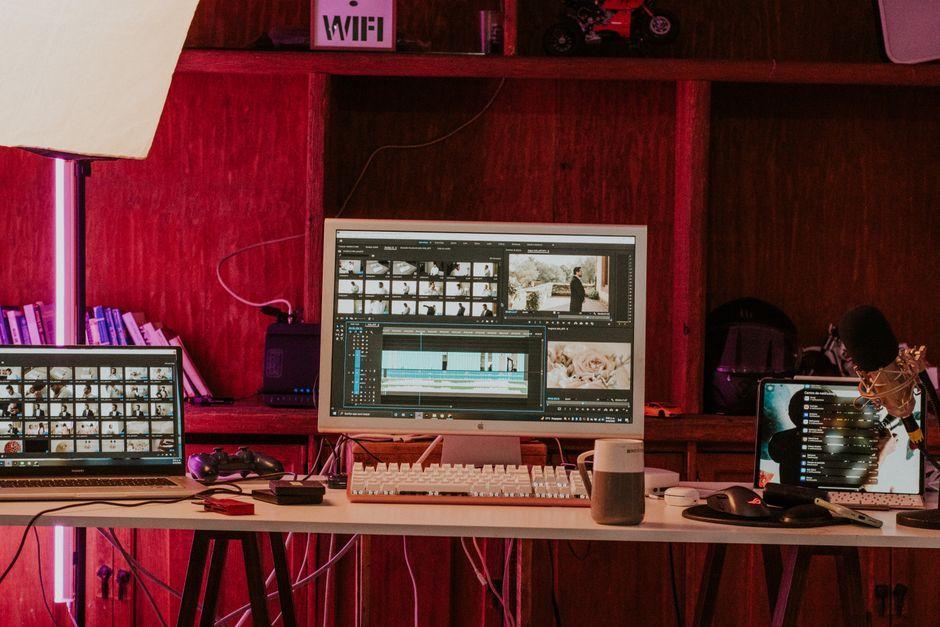
Stock photo for illustration only, not from the actual event
- Fashion films extend collection storytelling far beyond the physical runway.
- Editing rhythm, transitions, and color grading define a brand's visual atmosphere.
- Browser-based tools like Clideo democratize access to professional post-production workflows.
Clideo Video Editor examines how video editing shapes the visual language, rhythm, and narrative structure of contemporary fashion films, highlighting the role of post-production in communicating brand identity. Fashion film has become an important medium for communicating collections beyond the runway, extending fashion storytelling through moving image, sound, and post-production. While garments, set design, cinematography, and performance establish the visual foundation, the editing process determines how these elements are assembled into a coherent narrative. Through pacing, sequencing, color grading, and sound design, video editing shapes the atmosphere, rhythm, and visual identity of a fashion film.
Raw footage from a fashion shoot consists of multiple takes, camera angles, and unscripted moments that require careful selection and sequencing. The editing process using Clideo Video Editor transforms raw footage into a structured narrative through rhythm, transitions, and visual continuity. Decisions regarding shot duration, camera changes, and pacing influence how garments, movement, and space are perceived.
The editing rhythm often reflects the character of a collection. Structured tailoring may be presented through precise, rapid cuts, while softer silhouettes can be accompanied by longer takes and slower transitions that emphasize the movement of fabric. Models' gestures, changing light, and the behavior of materials become visual markers that guide the sequence of the film.
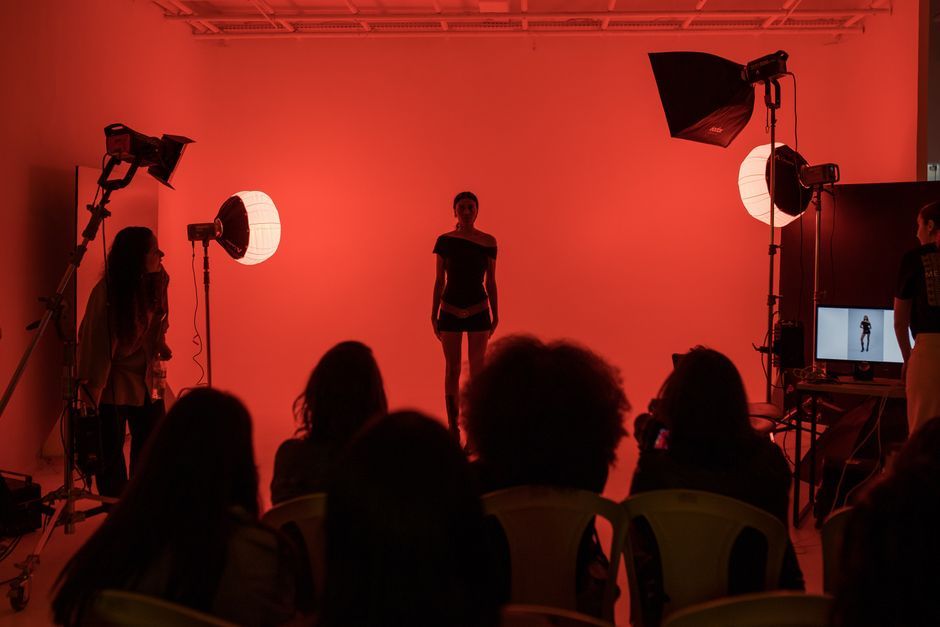
Stock photo for illustration only, not from the actual event
Beyond arranging footage, post-production establishes a consistent visual language through color grading. Adjustments to color temperature, contrast, and exposure reinforce the intended mood while ensuring continuity between shots captured under varying lighting conditions. These refinements preserve the visual qualities of garments and maintain consistency throughout the film.
The adoption of browser-based video editing platforms such as Clideo highlights a broader shift in the fashion industry, where cloud-enabled workflows allow independent designers and small creative teams to execute high-end post-production tasks without relying on heavy installed software infrastructures, facilitating rapid turnarounds between production days.
Sound design is developed alongside the visual edit through the integration of music, ambient recordings, and Foley effects such as footsteps or the movement of fabric. The synchronization of sound and image contributes to the overall rhythm of the film, supporting transitions, emphasizing movement, and reinforcing the emotional tone of the sequence.
The characteristics of individual materials frequently influence editorial decisions during post-production. Reflective surfaces such as sequins or metallic fabrics require careful adjustment to control glare, while sheer textiles demand precise exposure to retain texture and transparency. Editors often collaborate with designers to ensure construction details, stitching, and surface qualities remain legible after color correction, compression, and final export.
- Precise cuts emphasize structured silhouettes and tailored forms.
- Color grading establishes a consistent visual atmosphere.
- Digital editing tools expand access to fashion film production.
Source: designboom
Found something wrong in this article? Report an issue with this article
Comments
Leave a Comment