

Spain Imposes Border Controls on Italy Amid Escalating Ceuta Migrant Dispute
Tensions between Spain and Italy intensify as Madrid enforces a one-month border control on air and sea travel arriving from Italy.
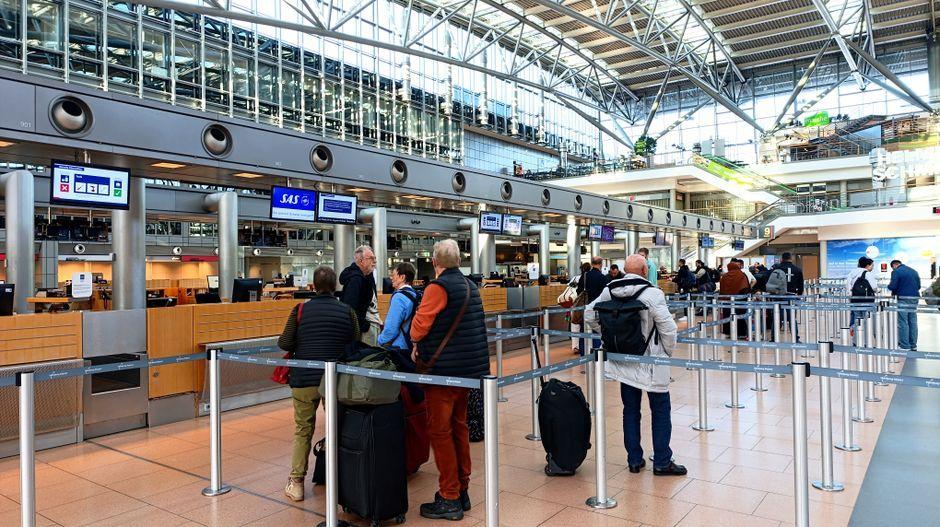
Stock photo for illustration only, not from the actual event
- Spain implements a one-month border control on all air and sea travel from Italy.
- The diplomatic row follows Italy suspending the Schengen agreement over Ceuta migrant arrivals.
- Rome claims checks prevent further transit, while Madrid dismisses the argument as baseless.
- The crisis highlights deep political friction between Pedro Sanchez and Giorgia Meloni.
The Spanish government has instituted strict border controls on all air and sea travel originating from Italy as a diplomatic dispute between the two European Union nations escalates. The newly enacted measures, which took effect at midnight or 22:00 GMT, are scheduled to remain in place for a full month. This decision comes exactly one week after Italy introduced comparable restrictions in response to an influx of approximately 78,000 migrants crossing from Morocco into the Spanish exclave of Ceuta.
On Friday, Spain formally demanded that Italy reverse its border checks by Sunday. In response, Rome stated that the measures would persist until at least August 15, citing expectations that Spain would face a fresh wave of migration hitting Ceuta around that date. This ongoing crisis has set Spain's socialist prime minister Pedro Sanchez against Italy's conservative leader Giorgia Meloni, who has consistently advocated for stricter EU-wide migration policies.
The geopolitical friction surrounding Ceuta underscores the fragile nature of external borders shared between Europe and North Africa. When large groups of migrants manage to breach border barriers simultaneously, it often triggers immediate political fallout, forcing national leaders to clash over regional immigration frameworks and border-free travel agreements within the European bloc.
Although Italy does not share a land border with Spain, the Italian government argued last week that its decision to temporarily suspend the border-free Schengen arrangement was necessary to prevent any migrants who entered Ceuta from travelling onward into Italy. Madrid firmly rejected this stance, characterizing the justification as spurious and entirely lacking factual basis, arguing that the migrants who entered Ceuta had no viable pathway to enter the broader Schengen area anyway.

Stock photo for illustration only, not from the actual event
Italian officials asserted that local authorities conducting the checks are doing everything possible to ensure maximum comfort for Spanish and other European citizens arriving from Italy. Rome reiterated that Spanish citizens remain completely exempt from additional screening, with the extra steps targeted strictly at non-EU residents. Nevertheless, newspaper El Pais reported that several airport terminals experienced lengthy queues and extended waiting times over recent days, as passengers arriving from Spain were directed to designated lanes for secondary checks.
78,000Migrants arrived from Morocco into Ceuta1,400Minors still remaining in the enclave
The checks are scheduled to remain active until September 7, unless an alteration in the circumstances that prompted their implementation justifies a modification of the timeline. Italy's decision to suspend the Schengen rules for a month received backing from Finland and Denmark, whereas the Czech Republic took a harsher stance by calling for Spain's EU membership to be temporarily suspended.
The vast majority of migrants who reached Ceuta the previous week were returned to their countries of origin within days. However, nearly 1,400 minors, including very young boys and girls, still remain stranded in the territory. While Spain has not officially announced an anticipated second wave of border crossings from Morocco, speculation has been fueled by social media activity among Moroccan users organizing another attempt, according to El Pais.
The office of the Spanish prime minister informed the newspaper that officials are monitoring the situation closely but do not anticipate a repeat of the chaotic scenes witnessed the week prior. Although the exact motivations driving tens of thousands of migrants to attempt the crossing remain unclear, EU Migration Commissioner Magnus Brunner pointed to criminal networks spreading disinformation as the primary culprit—an assessment fully endorsed by the Spanish government.
Source: BBC World
Found something wrong in this article? Report an issue with this article
Comments
Leave a Comment