

Farnborough Airshow Deals Summary: Lower-Than-Expected Aircraft Orders and the Behind-the-Scenes Dominance of Leasing Companies
The Farnborough International Airshow wrapped up with around 340 firm aircraft orders, driven heavily by leasing companies amid supply chain bottlenecks.
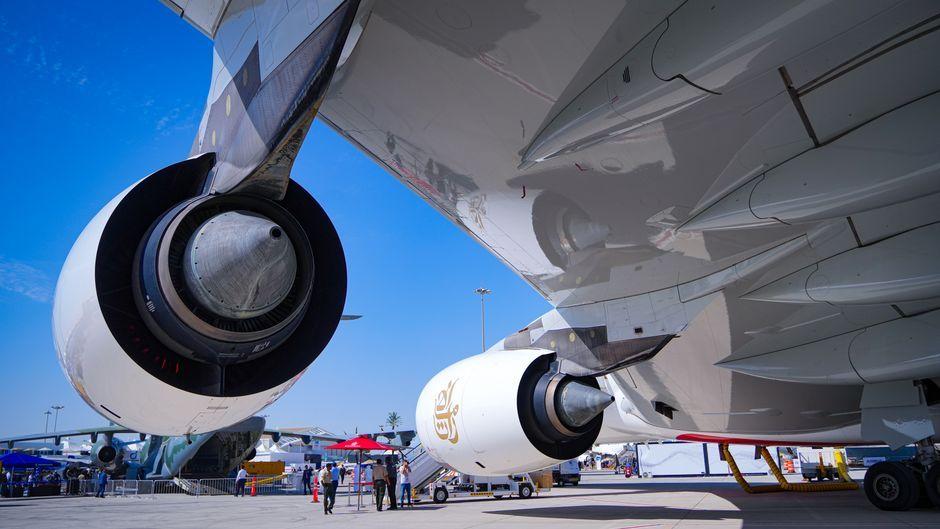
Stock photo for illustration only, not from the actual event
- Firm aircraft orders at Farnborough closed at approximately 340 units, falling short of the 800-unit projection.
- Boeing narrowly edged out Airbus for the lead in order share at this year's event.
- Aircraft lessors captured the largest major deals to absorb balance sheet risks on behalf of airlines.
- Delivery slot backlogs remain severely tight, with single-aisle queues booked up nearly through 2033.
The Farnborough International Airshow concluded with order numbers slightly higher than the 2024 event, but fell significantly short of the 800 units that several industry analysts had estimated prior to the show. Firm commercial aircraft orders stood at around 340 units, alongside more than 50 preliminary agreements, purchase rights, and options. Overall, Boeing managed to narrowly edge out Airbus in order share.
The overall atmosphere throughout the event was marked by capital caution amid persistent supply chain bottlenecks and manufacturing line constraints that continue to pressure the industry. As a result, the majority of deals remained in the form of options, purchase rights, and conditional agreements rather than immediate, definitive purchase contracts.
This caution was reflected in the behavior of most airlines, which remained hesitant to commit massive cash sums amid volatile fuel prices and demand risks. Consequently, aircraft lessors emerged as the players sweeping up the largest order deals at the event, paving the way for airlines to access fuel-efficient new aircraft without shouldering the risks directly on their own balance sheets.
The primary role played by lessors in placing aircraft orders instead of direct airline procurement highlights financial risk management in an era of high interest rates and economic uncertainty. Choosing to lease rather than buy allows airlines better flexibility to adjust fleet size according to market conditions, while simultaneously raising critical questions about how sustainable this business model will be in the long run if airlines continue avoiding direct asset ownership.
This situation was further exacerbated by a shortage of delivery slots, with queues for popular single-aisle aircraft booked solid all the way through around 2033, while widebody availability remains tight through the mid-2035 timeframe. This pressures airlines to make quick decisions, plan leases, or be forced to operate older aircraft models for longer.
Notable deals at the event included a fragmented order for 200 single-aisle aircraft from SMBC Aviation Capital, an additional purchase of fifteen 787-9 aircraft by AerCap, and aggressive fleet expansions by Middle Eastern carriers such as Riyadh Air and flynas. Additionally, this year's event emphasized the transition toward electric aviation and Advanced Air Mobility through commitments between Joby and Virgin Atlantic, as well as Loganair and BETA Technologies.
Source: Skift
Found something wrong in this article? Report an issue with this article
Comments
Leave a Comment