

Discovering Water Caltrop: Traditional Aquatic Plant and Rare Snack
Exploring Trapa bicornis, a unique aquatic plant with a chestnut-like flavor, its nutritional benefits, and the safe way to boil and eat it.

Stock photo for illustration only, not from the actual event
- Water caltrop, scientifically known as Trapa bicornis, is an annual aquatic plant.
- Its dark, hard pods feature curved horns resembling buffalo horns, hiding a chestnut-like sweet taste.
- The white flesh is rich in carbohydrates, potassium, calcium, phosphorus, and vitamin B.
- Crucially, it must never be eaten raw and requires thorough boiling to eliminate parasites and bacteria.
Looking back at past Thai temple fairs and festivals, one familiar snack often found for sale was the "water caltrop," an aquatic plant encased in a pitch-black shell with a curved shape resembling a buffalo horn. Although it has become a rare treat nowadays, its sweet, nutty flavor and chestnut-like texture continue to evoke nostalgia for many people. Thairath Lifestyle explores the origins and health benefits of this unusual aquatic plant.
Water caltrop, scientifically known as Trapa bicornis or locally called "kra-chap" in Thailand, is an annual aquatic plant native to Asia, including Thailand, thriving in still and shallow freshwater bodies like swamps and ponds. Its distinct feature is the submerged fruit with a thick, hard black shell and two sharp, curved ends resembling horns, which gives the plant its name. While once abundant in Thailand's central region, shrinking natural water sources and environmental changes have reduced its cultivation, making it a rare snack today.
Historically, Thailand's natural wetlands and freshwater marshes provided an ideal ecosystem for indigenous aquatic plants like the water caltrop. However, urban expansion and land-use changes have degraded these traditional freshwater habitats, directly impacting the availability of seasonal aquatic flora. Preserving traditional knowledge about native food plants remains a vital way to safeguard local culinary heritage.
Beneath its rugged black exterior lies a tender white flesh packed with nutrients and medicinal properties. According to nutritional and traditional medicine data, water caltrop provides high energy from easily digestible carbohydrates and starches, making it suitable as a snack. It also serves as a source of vital minerals such as potassium, calcium, phosphorus, and vitamin B. Traditional herbal medicine notes that the plant possesses cooling properties, helping to quench thirst, relieve fatigue, and support pregnant women.
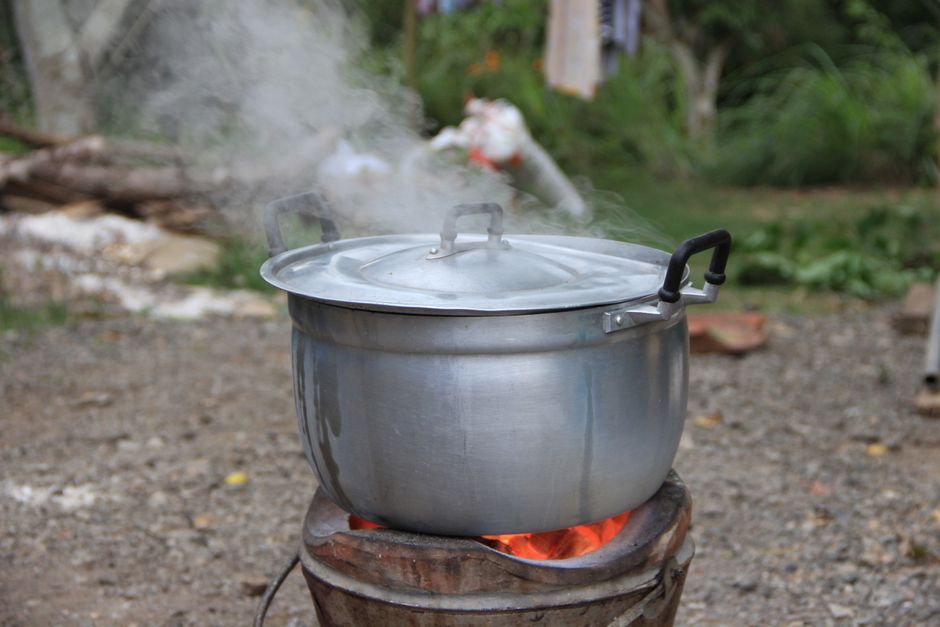
Stock photo for illustration only, not from the actual event
The most crucial precaution when consuming water caltrop is that it must “never be eaten raw.” Because it is an aquatic plant, parasites or bacteria may cling to its surface, requiring proper cleaning and cooking through these specific steps:
- Wash the water caltrop thoroughly to scrub away dirt and residue from the shell.
- Soak them in water; any floating pods indicate spoilage and should be discarded.
- Boil a pot of water, optionally adding a little salt for flavor.
- Submerge the caltrops and boil for approximately 30 to 40 minutes until the inner flesh is tender.
- Remove and let cool, or plunge into cold water to make peeling easier.
- Use a knife to chop the center of the pod and carefully peel away the shell to reveal the soft white meat ready for consumption.
Source: Thairath Lifestyle
Found something wrong in this article? Report an issue with this article
Comments
Leave a Comment