

The Hidden Danger of Rosary Pea: Beautiful Seeds with Lethal Toxicity
Exploring the medicinal uses and severe risks of Abrus precatorius, a striking forest plant that requires caution around children.

Stock photo for illustration only, not from the actual event
- Rosary pea features striking seeds that conceal a lethal toxin inside.
- Leaves and roots were traditionally used in folk remedies to treat coughs.
- Ingesting crushed seeds can lead to liver failure, kidney failure, and shock.
- Children and hikers must be warned never to swallow or chew wild seeds.
Rosary Pea, scientifically known as Abrus precatorius, is a plant that immediately catches the eye with its distinctively colored seeds. Despite its visually appealing appearance, a severe and deadly toxicity lies beneath the surface. Gaining proper knowledge about this plant is essential, particularly for hiking enthusiasts and households with young children who might accidentally ingest the seeds out of curiosity.
According to the Thai herbal database, while the seeds are highly toxic, other parts of the rosary pea plant have historically been utilized in traditional medicine applications:
- The leaves and roots possess a sweet taste and were traditionally boiled into a drink to relieve sore throats, coughs, and expel phlegm, though strict professional supervision is required.
- In ancient times, rosary pea seeds with relatively consistent weights were utilized as standard weights for measuring gold and precious gems.
- The vibrant seeds were also pierced and strung into ornaments such as necklaces or ceremonial threads in certain cultures.
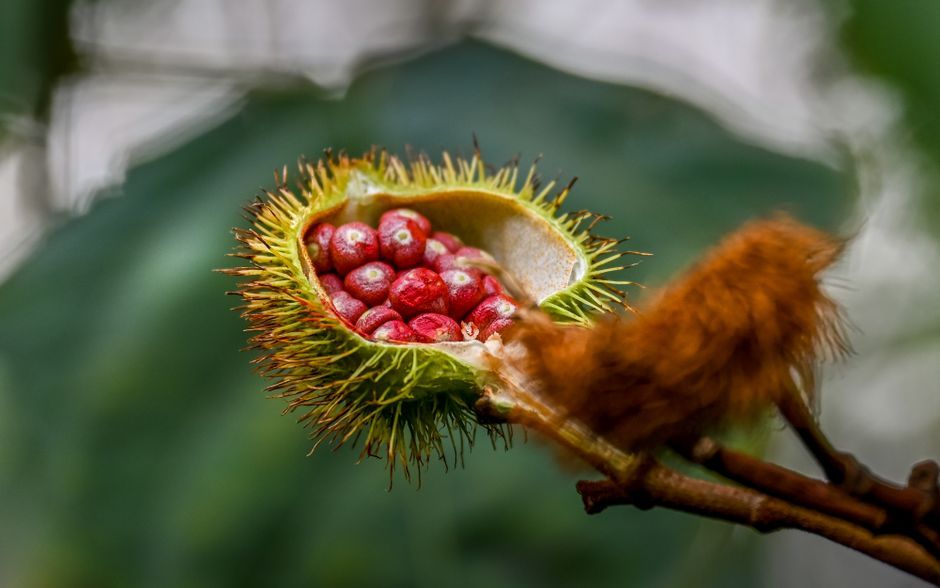
Stock photo for illustration only, not from the actual event
From a botanical and toxicological perspective, rosary pea seeds contain abrin, a potent ribosome-inactivating protein that halts cellular protein synthesis. Chewing the seeds allows the toxin to release rapidly into the body compared to swallowing them intact. Recognizing toxic wild flora is a critical safety measure for outdoor explorers and parents alike.
Symptoms of individuals poisoned by rosary pea seeds typically begin with severe nausea, intense vomiting, abdominal pain, and diarrhea that may contain blood. If left untreated, this can rapidly progress to shock, liver failure, and kidney failure.
If someone is discovered swallowing rosary pea seeds—especially if the seeds were chewed open—they must be rushed to the nearest hospital immediately. Plant samples or remaining seeds should be brought along for medical evaluation, and individuals must never wait to see if symptoms develop.
The ultimate prevention strategy is educating family members, particularly young children, that naturally colorful wild plants and seeds are not always safe to consume or play with.
Source: Thairath Lifestyle
Found something wrong in this article? Report an issue with this article
Comments
Leave a Comment