

The phone book that led us to Assad's spy chief in hiding
BBC tracks down 155 phone numbers found in the luxury apartment of Syria's top spy chief following Assad's regime collapse.
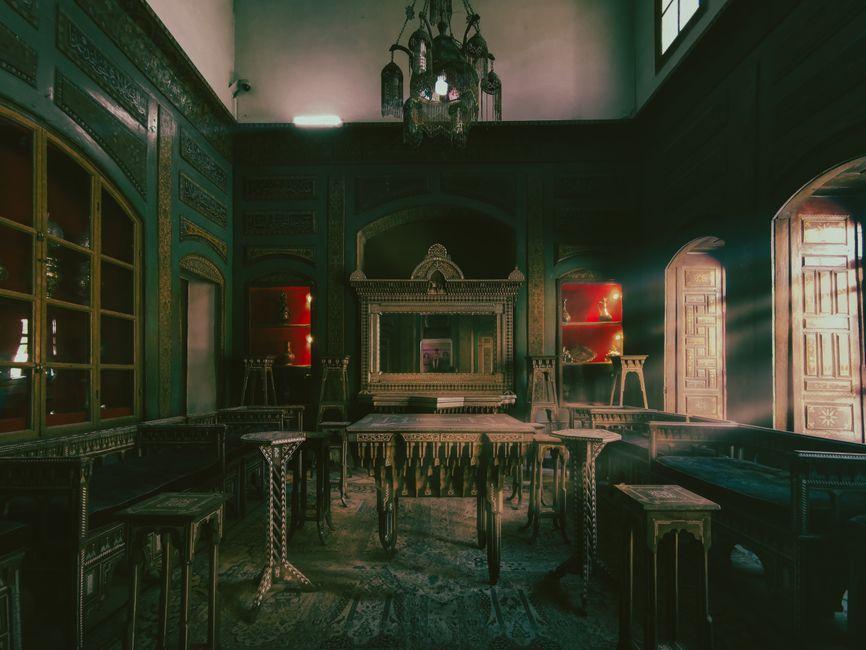
Stock photo for illustration only, not from the actual event
- Rebels discovered the luxury apartment of Hussam Luka after Bashar al-Assad fell from power in December 2024.
- A notebook containing 155 phone numbers serves as a crucial clue to hunt down the fugitive spy chief.
- Luka is accused of involvement in the 2015 Eid massacre that claimed the lives of 17 children.
- BBC journalists in London tested 51 operational numbers, but every answered call resulted in immediate hang-ups or denials.
Inside an abandoned luxury apartment in the Syrian capital of Damascus, armed men dressed in military fatigues sifted through designer clothes and documents. Scattered across the living room floor beneath a sparkling crystal chandelier were dozens of photos of the same slender man in various settings—sitting at his desk and even playing in the snow. Multiple prints showed him smiling warmly while shaking hands with ousted dictator Bashar al-Assad. Although the man was not instantly recognizable, gold medals and gilded certificates piled nearby bore the name Hussam Luka.
As the head of Syria's most powerful civilian intelligence agency, Luka was among the most feared men in the country, operating primarily from the shadows. When Assad's regime was toppled in December 2024, Luka seemingly vanished overnight, leaving a trail of unanswered questions and unfulfilled demands for justice. Days after the fall, BBC reporters watched rebels search his abandoned residence for clues regarding his whereabouts.
On a console table in the corner of the living room sat an unremarkable notebook. Inside, written in scribbled blue handwriting, were dozens of names ranging from shopkeepers and doctors to military officials and individuals bearing the Luka family name. Could these contacts help uncover more about The Spider and his crimes, or even track him down?
The collapse of Assad's regime in December 2024 marked a monumental turning point in modern Syrian history, igniting nationwide demands for accountability. Tracking down former high-ranking officials who fled into hiding is essential for delivering justice to victims of the brutal civil war that began in 2011, claiming hundreds of thousands of lives. Everyday items left behind, such as personal notebooks and contact lists, have transformed from domestic clutter into vital transnational evidence.
At one time, Luka's personal phone number was notoriously spray-painted on walls across the central city of Homs during the early days of the Syrian civil war, which was sparked by Assad's violent crackdown on pro-democracy protests in 2011. Serving as the local head of the Political Security Directorate, Luka was tasked with wresting the city from rebel control. Trapped residents in besieged areas faced severe shortages, forcing former rebel fighter Motaz al-Zaydi and others to resort to eating rats to survive. Al-Zaydi recalled that those wishing to flee could call the number for safe passage, though while some escaped, callers often vanished without a trace.
Perhaps his most egregious act was his alleged involvement in the Eid Massacre, also known as the Children's Massacre, in September 2015. Mohammed Towakatli's seven-year-old son, Wael, was gardening in a playground in the al-Waer neighborhood when a strike hit at 17:10. According to the Syrian Network for Human Rights, 28 people were killed, including 17 children and four women. Activist groups and opposition reports identified Luka as responsible for target selection that day. His actions in Homs earned him a promotion, eventually leading the General Security Directorate (GSD) prior to the regime's collapse.
"They look like humans but have no humanity in them at all."
Mohammed Towakatli

Stock photo for illustration only, not from the actual event
After photographing every page of the discovered notebook, the team back in London began testing all 155 numbers, discovering that 51 were still operational. They called them in order of importance, starting with military commanders and relatives. Every single call was unsuccessful; respondents either hung up immediately upon learning the callers' identities or denied knowing Luka, his family, or even being the individuals listed in the book.
Source: BBC World
Found something wrong in this article? Report an issue with this article
Comments
Leave a Comment