

Is Football AI-Proof? Why Tech Investors Wanted a Slice of the World Cup
FIFA u-turns on selling a stake in the World Cup after fierce backlash, exposing Silicon Valley's bet on sports as an AI-proof asset.
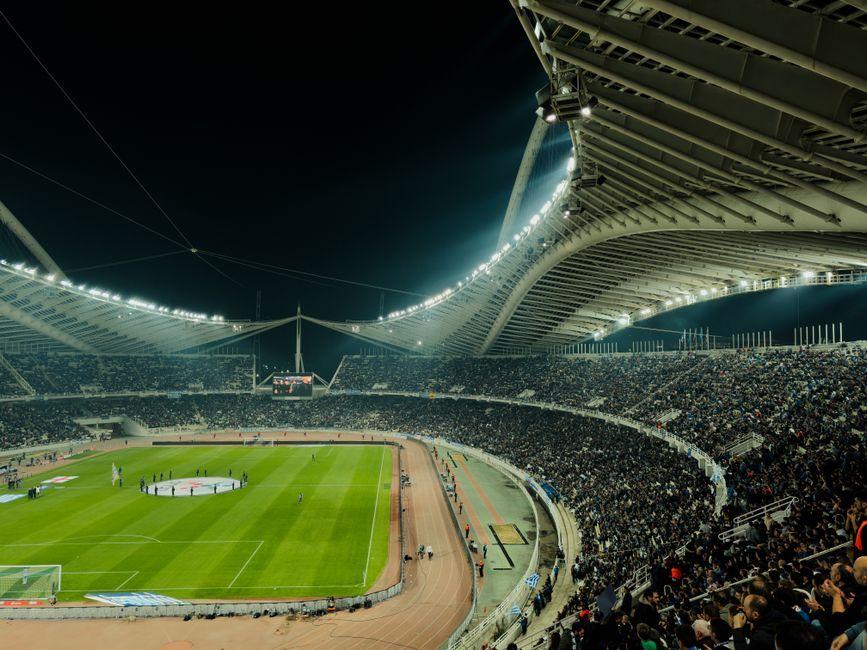
Stock photo for illustration only, not from the actual event
- FIFA scrapped plans to sell World Cup equity following fierce opposition and boycott threats
- Thrive Eternal targeted football because sport possesses qualities AI cannot replicate
- The proposed FFE vehicle valued the initiative at $20bn with a $4.2bn initial investment
- Experts point out that FIFA generates record revenues and has no urgent need for external cash
FIFA was forced to execute a sudden u-turn on its plans to sell off a slice of the World Cup following fierce opposition, threats of future boycotts, and calls for governing body president Gianni Infantino to quit. This dramatic fallout begs the question of why a group of tech investors targeted the tournament in the first place, and whether similar financial maneuvers are bound to happen again in the future.
In an era where artificial intelligence threatens to upend human recreation and entertainment, executives at Thrive Eternal, a spin-off of venture capital firm Thrive Capital, spotted an opportunity to deploy capital into the biggest sporting competition on the planet. The firm operates on the core thesis that sport will not only survive the relentless AI revolution, but actually grow in value over time.
The tech-backed interest in sports highlights a growing venture capital trend of seeking "AI-proof" assets. While movies, music, and other digital entertainment mediums face immediate disruption as algorithms replace human creators, football retains deeply rooted traditions, cultural values, and local identities that cannot be easily replicated by software, making it an attractive long-term hedge for tech investors.
Thrive is run by Joshua Kushner, the brother of Jared Kushner who serves as the son-in-law and adviser to US President Donald Trump. While the firm primarily backs artificial intelligence companies such as OpenAI, it established Thrive Eternal out of New York City in April to invest in sectors possessing qualities impervious to technological duplication. Securing a minority stake in the World Cup through FIFA's proposed Forward Enterprise initiative fit this exact strategy.

Stock photo for illustration only, not from the actual event
Sources indicated that investors preparing to stump up the $4.2bn initial investment were willing to wait decades for any financial return due to Thrive Eternal's holding company structure. Under the FFE proposal, each member association would have received a stake worth as much as $91m based on a $20bn valuation, with equity controlled strictly by FIFA rather than the outside investors.
Yet critics questioned why FIFA required an external cash injection at all. The 2026 tournament hosted across the US, Canada, and Mexico is on track to generate record revenues through dynamic ticket pricing, broadcast rights, sponsorships, and hydration break advertisements. Expanding the tournament from 48 teams to potentially 64 teams only magnifies future commercial opportunities through sheer viewer scale.
"FIFA are not in a position where they are desperate for money. In fact, they could very easily, with the money they already have, increase those payouts to the member associations. So there is no need to go external."
Christina Philippou, University of Portsmouth
Source: BBC Business
Found something wrong in this article? Report an issue with this article
Comments
Leave a Comment