

Hormuz talks positive, Oman says, as Iran warns deal would not open strait
Oman reports positive discussions with Iran over a new shipping route agreement, but Tehran insists that fully reopening the vital Strait of Hormuz depends on meeting further conditions.
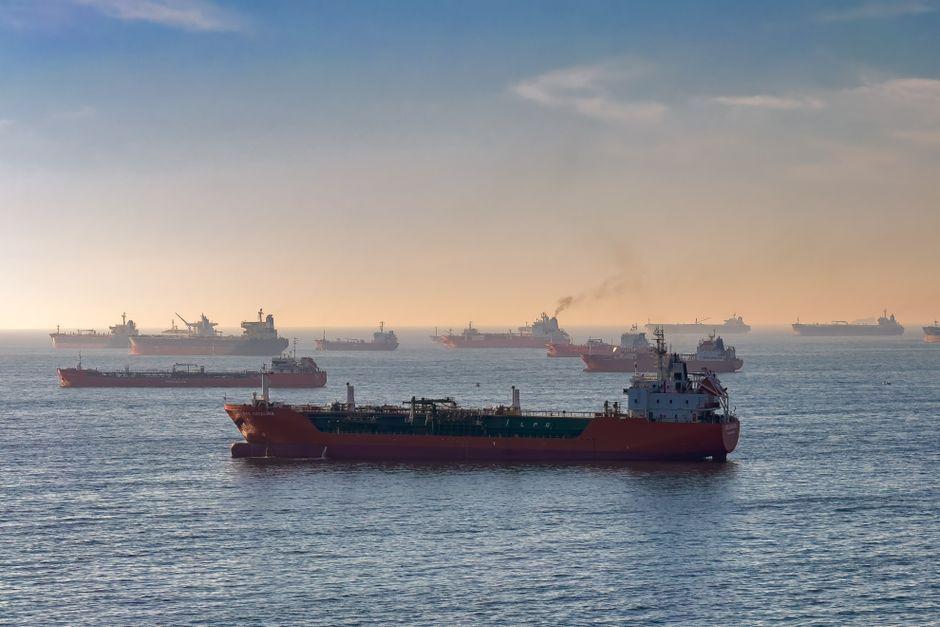
Stock photo for illustration only, not from the actual event
- Oman states positive talks are underway with Iran regarding a secure shipping route in the Strait of Hormuz.
- Iran warns that any agreement will not lead to an immediate reopening of the crucial waterway.
- Tehran has blockaded the strait since US and Israel attacks began in February.
- Discussions focus on a new jointly-managed route designed to resume shipping traffic.
Oman's foreign ministry announced on Saturday that constructive discussions have been taking place with Iran regarding an agreement to secure a shipping route through the Strait of Hormuz. However, Tehran cautioned that finalizing any deal would not immediately result in the reopening of the vital maritime corridor. Recent talks have centered on establishing a new route through the strait that both nations would manage jointly, with hopes of making headway in resuming shipping operations.
Iranian Foreign Minister Abbas Araghchi stated that while negotiations are in their final stages, reopening the strait remains subject to additional conditions. Tehran has effectively blockaded the crucial waterway—which handles roughly one-fifth of the world's oil and natural gas supplies—ever since the United States and Israel began launching attacks in February.
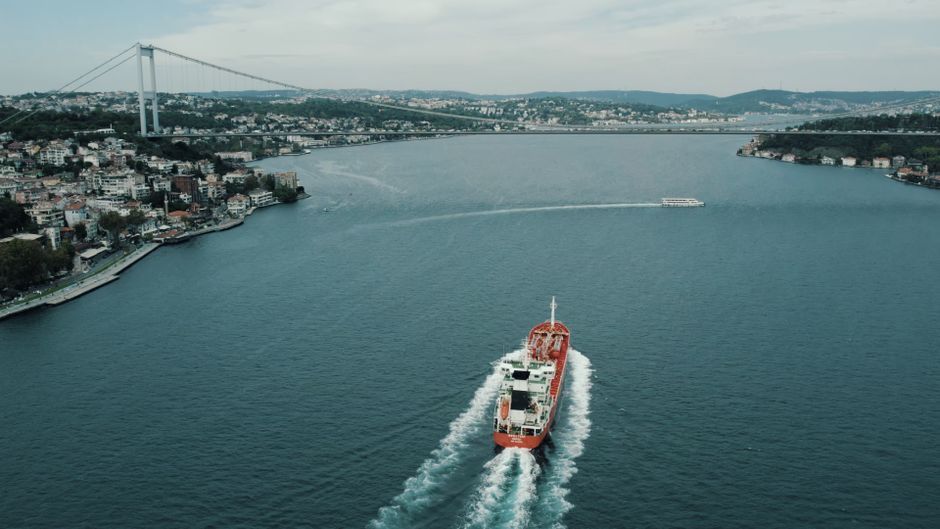
Stock photo for illustration only, not from the actual event
Araghchi outlined that these conditions include Iran receiving compensation from the US for what Tehran calls violations of a bilateral Memorandum of Understanding (MoU) signed in June to halt fighting and advance peace talks. That agreement collapsed shortly after its signing. Furthermore, he noted that the US must fulfill six specific Iranian demands, including ending threats against Iran, lifting the naval blockade on Iranian ports, and releasing frozen Iranian assets.
The Strait of Hormuz is one of the world's most critical energy chokepoints, connecting the Persian Gulf with the Gulf of Oman. Any disruption or blockade in this region directly impacts global energy markets and crude oil prices. While diplomatic engagements between Oman and Iran signal a willingness to negotiate, deep-seated geopolitical grievances and pre-conditions between Washington and Tehran continue to complicate the path toward a full maritime reopening.
Another major sticking point between Tehran and Washington has been reported threats of Iran imposing transit fees on vessels. Reuters previously cited an Iranian official stating that Tehran sought to levy fees between 5% and 7% of cargo values for ships traversing the strait.
US Vice President JD Vance downplayed those reports during an appearance on Fox News, stating that the Iranians had informed them there are no plans to toll the Strait of Hormuz. Vance also commented on regional oil flow, claiming that the same volume of oil will emerge from the Gulf as before the US military operation commenced on February 28, though he provided no specific details.
Oman's warning against attacks on shipping that could hinder negotiations coincided with an announcement from the United Arab Emirates on Saturday. The UAE stated that Iran had targeted a tanker affiliated with its state-owned oil company, Adnoc, while it was passing through the area.
Source: BBC World
Found something wrong in this article? Report an issue with this article
Comments
Leave a Comment