

Surviving the AI Bubble With Two Pieces of Junk From Amazon
As the AI hype reaches its peak, learn how to build low-cost security operations and offline local LLMs using affordable hardware.

Stock photo for illustration only, not from the actual event
- The AI bubble is quietly popping as cloud costs and limitations become apparent.
- Transform a 20-dollar router into a portable Security Operations Center (SOC).
- Run quantized local LLMs offline on a Raspberry Pi Zero 2 W without internet dependence.
- Building self-reliant systems is the ultimate skill in a post-hype tech landscape.
We are living through the most expensive group hallucination in tech history, where every SaaS product has a chatbot attached, every CEO fancies themselves an AI thought leader on LinkedIn, and startup pitches are stuffed with buzzwords like autonomous, agentic, and 10x. OpenAI burns through more cash in a quarter than NASA did getting to the moon, all so users can generate slightly worse emails slightly faster.
As someone who builds with AI, this is the classic scent of a bubble. It will not pop through dramatic newspaper headlines, but rather when free credits dry up, models are locked behind enterprise tiers, and neglected cloud bills finally arrive. While everyone else tries to figure out how to make AI agents book flights, the real question is what to build when the internet worsens, the cloud becomes more expensive, and you need actual survival skills.
The answer lies in two pieces of junk from Amazon that cost less than an Uber Eats order. The first is the GL.iNet GL-MT300N-V2, commonly known as the Mango, priced around 26 dollars or 20 dollars on sale. Inside is a tiny Linux computer running OpenWrt with two ethernet ports, a USB port, and limited RAM. While most people buy it for hotel WiFi, the dirty secret of the AI bubble is that automated threat generation has vastly outpaced consumer-grade threat detection.
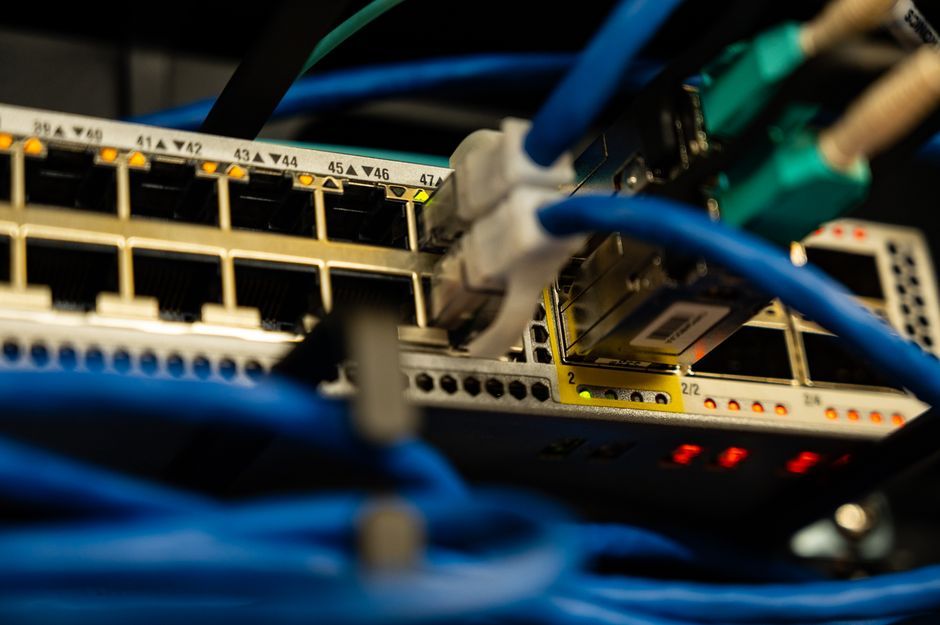
Stock photo for illustration only, not from the actual event
Converting budget networking hardware into a personal security node highlights the principle of defensive computing. As generative tools lower the barrier for malicious actors to launch phishing campaigns and invoice scams, relying solely on cloud-dependent workflows introduces critical security vulnerabilities.
By flashing custom firmware and placing the Mango between your modem and router, you can turn a dumb network into a smart one for just 20 dollars, drawing less power than a nightlight with no subscription required. You immediately spot cheap smart bulbs pinging foreign IP addresses every 30 seconds or an iPad attempting to reach malware domains, providing essential defense while Silicon Valley debates AGI timelines.
The second piece of hardware is a Raspberry Pi Zero 2 W for about 35 dollars on Amazon, paired with a 10,000mAh battery bank, a 12-dollar e-ink display or old HDMI screen, and a 64GB SD card, totaling roughly 55 dollars. With no WiFi, no cloud dependency, no API keys, and no monthly bills, it runs quantized 2B or 3B local models like Phi-3, Gemma 2, or Qwen 2.5 entirely offline on a computer the size of a stick of gum.
"When the power is out. When the internet is down. When Starlink is congested... I had a little black box that could still do this:"
Numbpill3d
Operating at 4 to 6 tokens per second, it provides reliable assistance during power outages, internet outages, or mysterious cloud provider crashes. We have spent years learning to be tenants on OpenAI and AWS platforms, but true builders own hardware that functions when everything else fails. The Blackbox approach is post-hype AI, providing a quiet, private tool under your direct control for zero dollars per month forever.
Source: Dev.to
Found something wrong in this article? Report an issue with this article
Comments
Leave a Comment