

This ‘adversarial’ pattern can prevent surveillance cameras from detecting you
Zack Swearingen develops the noRecognition project, using AI-generated adversarial patterns to bypass surveillance cameras and license plate readers.

Stock photo for illustration only, not from the actual event
- The noRecognition project uses AI patterns to evade surveillance camera detection.
- Trained over 31 million test runs to optimize pattern effectiveness.
- Successfully demonstrated in the real world on a Toyota Yaris at Def Con in Las Vegas.
- Plans to launch crowdsourced merchandise including apparel and vehicle skins.
In an era where artificial intelligence supercharges surveillance systems, public spaces across the United States and beyond are heavily monitored. Modern surveillance cameras do much more than simply record footage; they track the license plates of speeding vehicles and employ facial recognition technology to identify suspected criminals, often raising significant privacy concerns among citizens who never opted into being tracked.
Zack Swearingen, a cybersecurity professional based in Kansas City, has developed a counter-technology project named noRecognition. After running some 31 million tests, he can now generate on-demand patterns that, when applied to clothing and objects, prevent widely deployed license plate readers and surveillance cameras from detecting the covered people or vehicles.
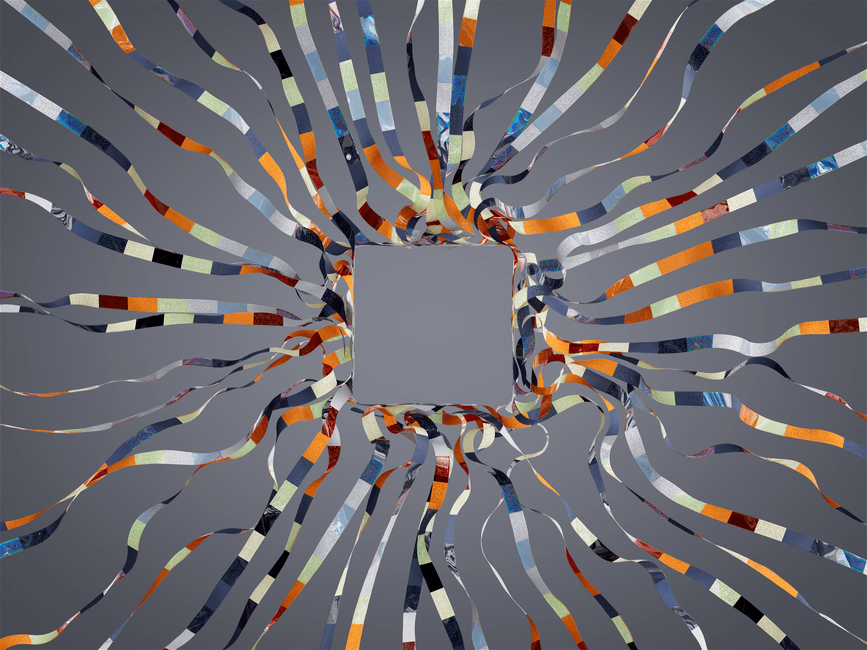
Stock photo for illustration only, not from the actual event
Swearingen's motivation stems from his discomfort with the dense network of cameras in his hometown and his concerns last year when he wanted to attend a protest. Worried that automated systems could track individuals exercising their constitutional rights, he decided to take action. He began in a test lab by systematically defeating open-source video camera algorithms, eventually scaling up his tests using reinforcement learning—a self-contained system that taught itself how to paint effective patterns by iterating through millions of failures until it successfully defeated 11 open-source detection algorithms, including software powering Flock license plate readers, Axon body-worn cameras, and Clearview AI.
The application of reinforcement learning to generate adversarial patterns highlights the ongoing cat-and-mouse game between automated surveillance systems and privacy advocates. By mathematically optimizing visual noise to confuse computer vision models, projects like noRecognition demonstrate the inherent vulnerabilities in current object-detection algorithms used by law enforcement and private entities.
On Friday, Swearingen conducted his first public, real-world test at the Def Con cybersecurity conference in Las Vegas. Assisted by Donut Media, a 2009 Toyota Yaris was wrapped in one of his latest patterns to test whether the vehicle would remain invisible to a Flock camera system in a live demonstration.
"Every failure improves my model, and so the patterns keep getting better and better."
Zack Swearingen
Following the successful demonstration, the next phase involves getting the patterns into the hands of users. The project features a crowdsourcing campaign to fund early merchandise such as T-shirts and hoodies, with potential vehicle skins planned for the future. Swearingen noted that he is withholding his most effective patterns from the internet to prevent camera manufacturers from adapting, while his models continue to generate improved iterations.
Source: TechCrunch
Found something wrong in this article? Report an issue with this article
Comments
Leave a Comment