

Deep Dive into Tech Interview Mastery: A Practical Practice Guide for Developers
A systematic guide to preparing for programmer job interviews, covering coding problem-solving, thinking aloud, and behavioral question responses.
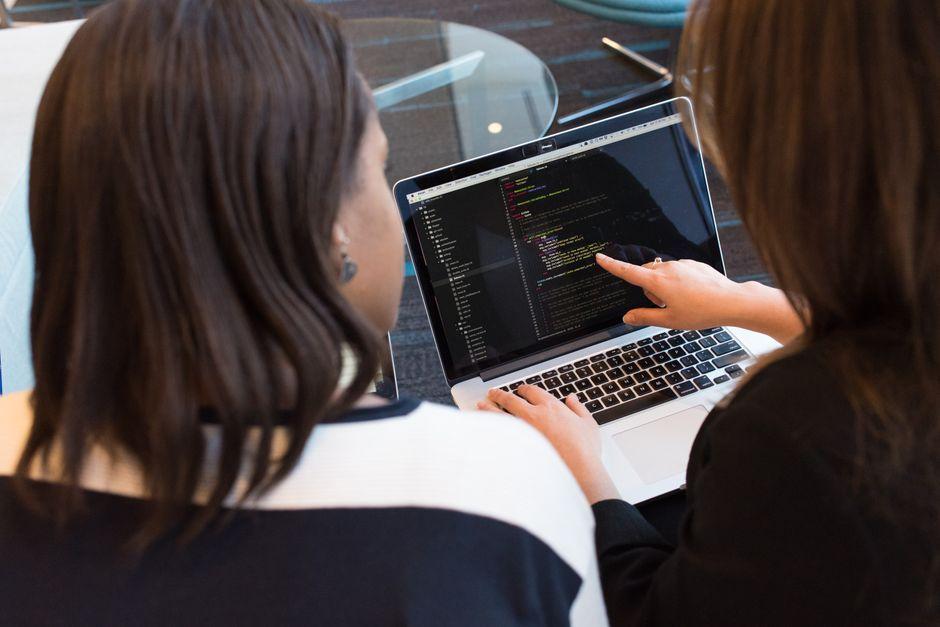
Stock photo for illustration only, not from the actual event
- Tech interviews are not IQ tests, but skills that can be practiced and prepared for in advance.
- Preparation should begin 2 to 4 weeks ahead, allocating time to review fundamentals and regularly practice problem-solving.
- Talking through and explaining your thoughts while writing code allows the interviewer to see your thought process better than silence.
- Behavioral questions should be answered using the STAR structure, preparing real-world experience stories in advance.
Technical interviews in the tech job market are generally divided into 4 main formats: algorithm and data structure problem-solving, system design discussions for senior positions, take-home assignments or pair programming, and behavioral interviews. Candidates should inquire with the recruitment team in advance to prepare correctly and avoid wasting time.
Preparation plans should start 2 to 4 weeks ahead. In the first week, focus on reviewing essential foundations such as data structures, time complexity, and the core principles of your primary programming language. In the following week, practice solving increasingly difficult problems for 1 hour consistently every day. In the final two weeks, simulate a real interview environment by setting time limits, practicing vocal explanations, and refraining from relying on smart assistants in your code editor.
Many developers are proficient in using various frameworks, but often stumble on the fundamentals that interviews focus on, such as complexity analysis or choosing the appropriate data structure, because interviewers want to test true understanding rather than memorization.
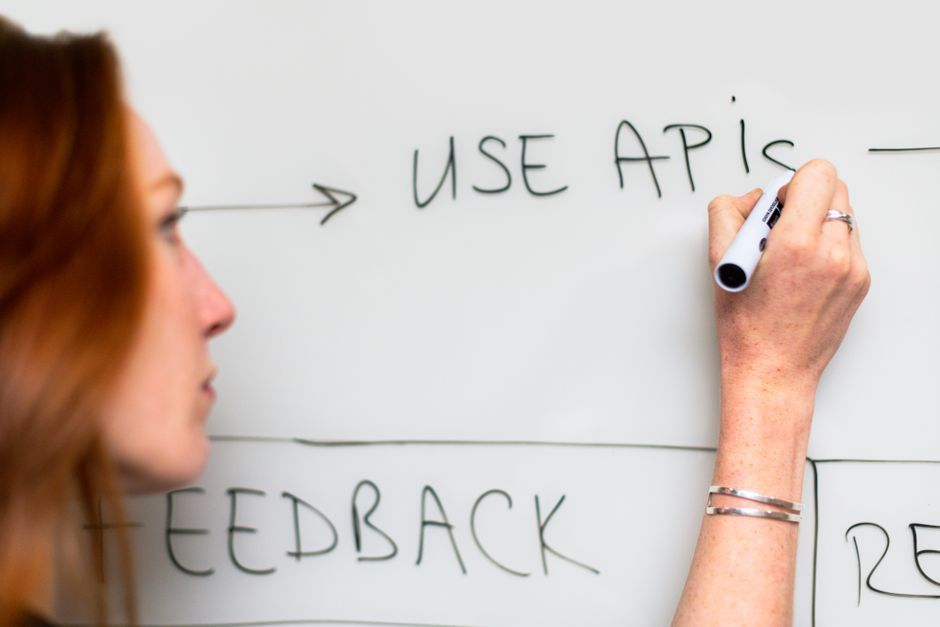
Stock photo, not from actual events
Preparing for tech job interviews today is increasingly challenging because companies are not just looking for people who can write code, but want those who understand the underlying mechanics of systems. Practicing "thinking aloud" to explain your own thoughts is a crucial tool that helps reduce nervousness and demonstrates problem-solving skills on the spot, which AI or coding assistant tools cannot yet replace in humans.
The most important difference between successful candidates and those who fail using the same set of answers is making the interviewer hear the candidate's thoughts. Explain your understanding of the problem before starting to code, state alternative approaches that were discarded along with the reasons, and describe the trade-offs while writing the code, as the process is just as important as the final result.
"I have not worked with this technology, but let me approach the problem with what I know"
Anas Mallouh
For behavioral questions that follow the pattern "Tell me about a time when...", the STAR structure should be used, consisting of Situation, Task, Action, and Result, while preparing 5 real-life experience stories in advance, such as conflicts with colleagues, lessons learned from mistakes, and high-pressure deadlines.
Source: Dev.to
Found something wrong in this article? Report an issue with this article
Comments
Leave a Comment