

Blood Donation Health Criteria: Which Conditions Disqualify You Permanently?
A comprehensive guide on blood donation eligibility, permanent medical restrictions, and controlled health conditions.

Stock photo for illustration only, not from the actual event
- Allergies, cancers, and specific hepatitis cases involve permanent donation bans.
- Conditions like diabetes or hypertension may be accepted if properly controlled.
- Recent infections such as dengue or influenza require strict recovery waiting periods.
- Donors must weigh over 45 kg and fall within the 17-70 age bracket.
Participating in blood donation drives is a noble act, but many prospective donors often wonder whether their existing health conditions or chronic illnesses will disqualify them. The National Blood Centre, Thai Red Cross Society, enforces explicit health screening guidelines to safeguard the health of both donors and vulnerable transfusion recipients, particularly outlining severe medical histories that strictly prohibit lifelong donations.
Medical conditions that result in a permanent blood donation ban include all types of cancer, heart disease, liver disease, lung disorders, blood disorders, sexually transmitted infections like HIV, and severe bleeding disorders. Furthermore, individuals with a history of hepatitis must be evaluated based on the root cause and age of infection; those linked to hepatitis B or C face permanent deferral unless certified by a physician that the liver inflammation stemmed from alternative causes.
Conversely, several chronic ailments do not automatically strip away donation privileges if the patient maintains strict medical control without complications. For instance, individuals managing diabetes through oral medication rather than insulin injections, those keeping their systolic blood pressure under 160 mmHg and diastolic pressure below 100 mmHg, and people with managed hyperlipidemia devoid of stroke or cardiovascular complications remain eligible.
<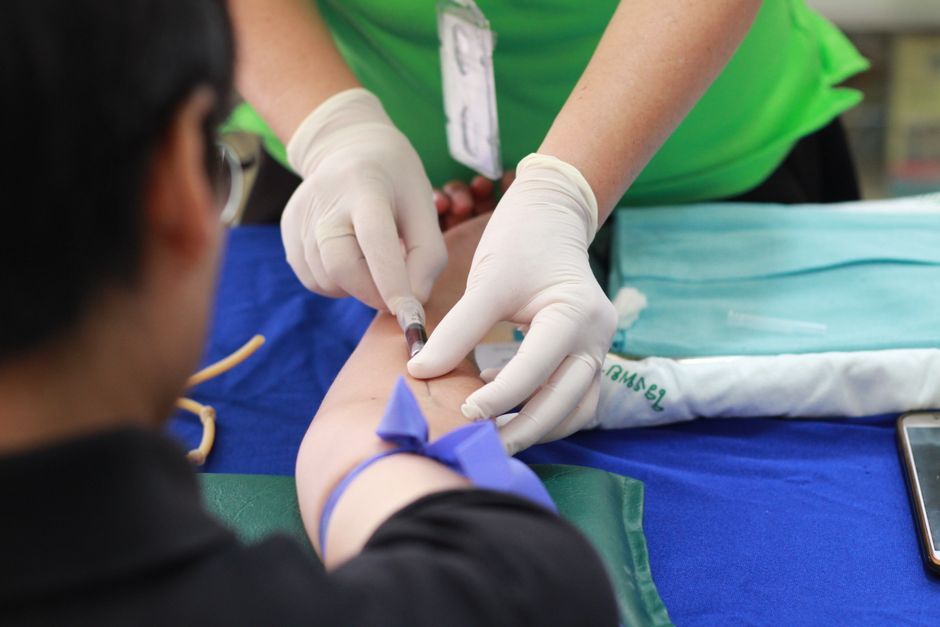
Stock photo for illustration only, not from the actual event
Certain conditions require specific recovery intervals or clearance milestones. Hyperthyroidism patients may resume donating once their hormone levels stabilize and they have ceased medication for at least two years. Asthma sufferers who control symptoms via non-steroid oral drugs or inhalers are welcome provided they are symptom-free on donation day. Recovered chronic conditions require completing a full treatment course and stopping medication for at least two years, while epilepsy patients must be seizure-free and off medication for a minimum of three years with a doctor's certificate.
Implementing stringent blood screening rules is not meant to exclude willing volunteers, but rather serves as a vital global medical practice known as Hemovigilance. This ensures that the supplied blood pool remains free from pathogens or unintended antibodies, protecting patients with weakened immune systems during critical medical procedures.
Individuals recently recovering from acute infections must observe mandatory waiting periods to allow their bodies to fully recover before contributing blood components:
- Influenza: Defer for at least 2 weeks after full recovery.
- Dengue fever: Defer for 1 month post-recovery.
- Chikungunya and Zika virus: Defer for at least 6 months, ensuring no joint pain remains for Chikungunya.
- Tuberculosis: Must be fully cured, finished medication, and off drugs for at least 2 years.
"The safety of both donors and patients receiving blood is paramount. If you are unsure about any chronic condition or medication, consult the blood donation unit beforehand."
National Blood Centre, Thai Red Cross Society
Aside from medical history, standard donor qualifications dictate robust general health, a body weight exceeding 45 kilograms, and an age range between 17 and 70 years old (17-year-olds require parental consent, while first-time donors cannot exceed 60 years of age). Donors must adequately prepare by resting well, maintaining a normal diet while avoiding high-fat meals, drinking plenty of water, and abstaining from alcohol for at least 24 hours prior to donation.
Source: Thairath Lifestyle
Found something wrong in this article? Report an issue with this article
Comments
Leave a Comment