

Brain Scans Prove Dogs Can Tell If You're Scared, Sad, or Happy
fMRI scans reveal that happiness, fear, anger, and sadness trigger distinct and recognizable brain activity patterns inside a dog's mind.
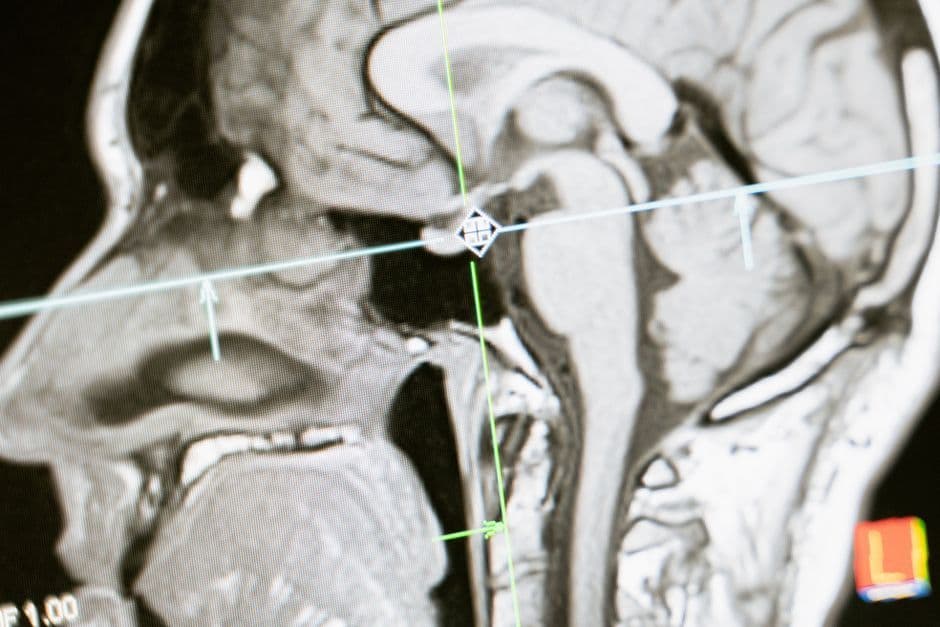
Stock photo for illustration only, not from the actual event
- fMRI scans show dog brains react differently to human emotions
- Happiness, fear, anger, and sadness create unique brain patterns
- Research confirms pets possess an innate ability to perceive feelings
Recent scientific findings utilizing fMRI brain scanning technology have shed light on how our canine companions process human emotions. Researchers discovered that different emotional states—specifically happiness, fear, anger, and sadness—produce distinct and identifiable patterns of brain activity within a dog's brain.
This discovery underscores the deep evolutionary bond between humans and dogs, demonstrating that their understanding of our moods goes far beyond mere external cues or vocal tone recognition, involving sophisticated neural processing instead.

Stock photo for illustration only, not from the actual event
Functional magnetic resonance imaging (fMRI) allows scientists to observe brain activity in real-time. Applying this advanced technology to animals provides groundbreaking insights into how domestic pets possess the neurological framework to comprehend the complex emotional landscape of human beings.
These profound insights not only expand our knowledge of animal behavior but also pave the way for more effective animal-assisted therapies and improved human-animal communication in the future.
Source: Ars Technica
Found something wrong in this article? Report an issue with this article
Comments
Leave a Comment