

World's Oceans Hit Record-High July Temperatures
Global average sea surface temperatures reached a new record of 20.96C, alongside severe marine heatwaves and persistent drought across Europe.
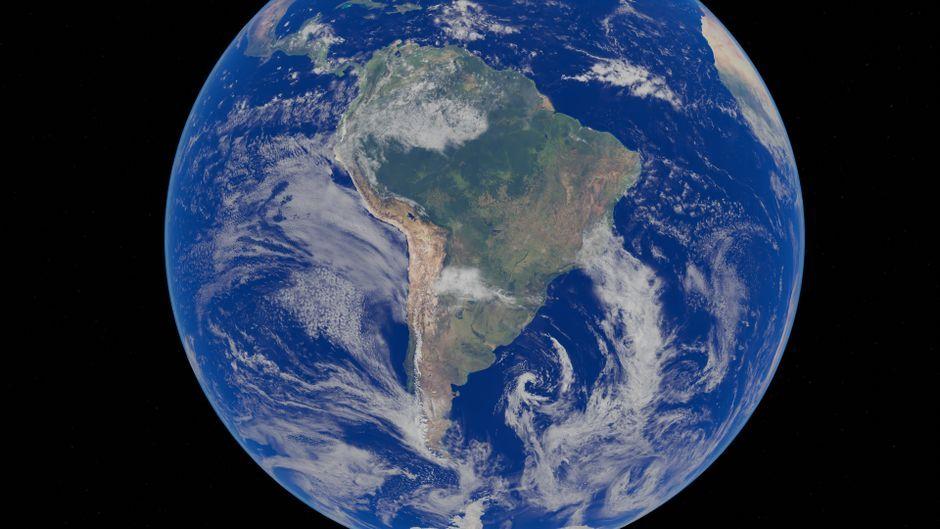
Stock photo for illustration only, not from the actual event
- Average sea surface temperature outside polar regions reached 20.96C last month
- Western Europe experienced its hottest June and July on record with an average of 21.62C
- The UK recorded its driest July in 190 years with official droughts declared
- El Niño conditions are developing in the tropical Pacific and forecast to strengthen
The average sea surface temperature (SST) outside the world's polar regions, measured between 60 degrees north and 60 degrees south, climbed to 20.96C last month, breaking the previous record of 20.89C set in 2023. According to the Copernicus Climate Change Service, last month was also the joint second-warmest July globally on record, with temperatures sitting 1.47C above the estimated pre-industrial average.
Meanwhile, Western Europe endured its hottest ever June and July, where prolonged hot and dry conditions fueled severe wildfires across the region. Elsewhere, the UK braced for its fifth heatwave of the year as persistent dry weather placed further strain on water supplies and threatened additional drought declarations.
Along the Atlantic coast and in the western Mediterranean, July sea surface temperatures reached record highs, triggering widespread and severe marine heatwaves. Concurrently, sea temperatures remained exceptionally high across the tropical Pacific as El Niño conditions developed, with forecasts pointing to further strengthening in the coming months.

Stock photo for illustration only, not from the actual event
Rising ocean temperatures trigger far-reaching consequences beyond surface warmth, including mass coral bleaching, the decimation of kelp forests, and accelerated thermal expansion which drives global sea-level rise. These compounding impacts pose immediate threats to low-lying coastal communities and island nations worldwide.
"July 2026 was the third consecutive month of exceptional heat in western Europe."
Samantha Burgess, strategic lead for climate at the European Center for Medium-Range Weather Forecasts
Samantha Burgess noted that persistent high-pressure systems trapped heat over the region while dry soils diminished natural cooling capabilities. As a result, the average temperature across Western Europe for June and July reached 21.62C, standing 2.79C above average. France, Spain, parts of Germany, and the UK all registered exceptionally low rainfall and soil moisture levels compared to previous years.
River levels dropped significantly below average, with the Seine, Rhine, and Danube rivers facing severe disruptions that impacted water supplies, irrigation, river transport, and energy production. According to the Met Office, England and Wales experienced their driest July since records began 190 years ago.
Source: BBC World
Found something wrong in this article? Report an issue with this article
Comments
Leave a Comment